015971265


Overview
What Is a Sperm Donor?
A sperm donor is a person who provides sperm for use in fertility treatment. Donated sperm may help achieve pregnancy when using a male partner's sperm is not possible or is not considered appropriate for medical reasons.
Fertility issues could affect relationships, self-esteem, and future plans. Exploring another option, such as sperm donation, could help. A sperm donor may be considered when there is no sperm production, certain inheritable diseases, or when sperm cannot be used as a treatment. The decision depends on medical results, the individual case, and the law.
Donor sperm is not suitable for every problem with fertility. First, you need to understand the cause and consider all options.
When May Donor Sperm Be Recommended?
The fertility specialist may discuss sperm donation if results show it to be unrealistic or unwise to use the sperm of the intended father.
Some causes include:
- Azoospermia: No sperm in the semen. Additional tests can provide more information on whether extraction is possible.
- Severe male factor infertility: Count and motility or functionality of the sperm could be compromised.
- Genetic issues: Sperm donation might be an option in case of risk of transmitting a genetic disorder.
- Medical history: Past illnesses or treatments may affect his ability to produce sperm.
- Other personal reasons: Some men decide to conceive with donor sperm depending on their situation and what is legal.
Semen analysis is usually one of the first steps in assessing male fertility. In some cases, other tests are needed to identify the cause. A failed semen test does not necessarily indicate that sperm donation is required. The expert considers the full medical history and makes recommendations.
A concise table for your reference to help you understand it better.
| Situation | Why donor sperm may be considered |
|---|---|
| Azoospermia | Sperm are absent from the semen sample; further assessment determines whether retrieval is possible. |
| Severe sperm-related problems | Using the partner's sperm may not be suitable in certain cases. |
| Inherited conditions | Using donor sperm can help prevent passing on a certain genetic disorder. |
| Previous failed treatments | In such cases, specialists can re-evaluate all sperm-related aspects and offer another solution. |
How Does the Sperm Donation Process Work?
The process involves an evaluation, donor selection, consent, and testing. The exact procedure would depend on the clinic you attend.
- Fertility Evaluation: The physician evaluates the patient's medical history and test results. Tests include semen analysis and other fertility tests.
- Evaluation of other forms of treatment: The doctor decides whether the use of a donor's semen is necessary for the patient. Other alternatives could include further investigations and sperm retrieval.
- Screening of the donor: The donor's medical and family history is examined, and appropriate infection screening and genetic testing are performed.
- Informed consent and documentation: The patient is informed about the process and possible results, confidentiality, and donor conception. The necessary informed consents and documents have to be signed.
- Laboratory preparation and treatment: The lab handles and prepares the sperm sample under appropriate conditions. It is then used for the selected fertility procedure.
Before proceeding, patients should ask how the clinic manages donor eligibility, sample traceability, confidentiality and medical records.
How Is a Sperm Donor Screened?
Donor screening helps reduce certain health risks. Nevertheless, no screening program can cover all possible medical or genetic risks.
Screening consists of the following:
- Medical History: Assessment of the donor’s medical history to detect previous or existing medical problems.
- Family History: Evaluation of the family history to check for medical problems and genetic disorders.
- Infection screening: Assess infection risk as clinically required.
- Assessment of semen: Assessment of semen parameters as required by the planned treatment.
- Genetic screening: Further assessments in case of indication from personal or family history.
- Counselling: Clarification of the donor’s obligations and consequences.
Screening criteria depend on clinic procedures and local laws. You need to find out what tests are done and what information about the donors is provided.
Even with a successful screening, there is no guarantee of pregnancy or absence of health problems in the future child.
Which Fertility Treatments Can Use Donor Sperm?
Sperm donated by a sperm donor may be used in different fertility treatments, depending on the patient’s reproductive health and the cause of infertility.
- Intrauterine insemination (IUI): It involves the process of placing the semen directly into the uterus when the female is ovulating. It may be considered when the medical assessment indicates that insemination is suitable.
- In vitro fertilisation (IVF): IVF is a process where eggs and sperm are joined in a lab. If donor sperm is involved, then embryos can be considered for insertion into the womb, based on how well they have developed.
- Intracytoplasmic Sperm Injection (ICSI): ICSI is a procedure in which a single sperm is injected into an egg during IVF. This procedure may be considered, but it is not necessarily used every time that donor sperm is used.
The fertility specialist takes things like age, ovulation, fallopian tubes, history of treatment and other fertility considerations into account when determining the proper treatment.
Benefits and Considerations of Using Donor Sperm
Using a sperm donor could be one more way of achieving pregnancy when it is impossible or ill-advised to use your partner’s sperm. Patients need to know about the advantages and possible limitations of using donor sperm.
Potential benefits
- It may make pregnancy possible when usable sperm from the intended father is unavailable.
- It may reduce the risk of passing on a specific inherited condition.
- It provides another option in certain cases of male-factor infertility.
- It allows treatment planning to reflect individual medical circumstances.
Important considerations
- Pregnancy is not guaranteed.
- Screening reduces certain risks but cannot eliminate every possible health concern.
- Donor conception may raise questions about genetic parenthood and family relationships.
- Donor identity, confidentiality, legal parentage and access to donor information depend on applicable regulations.
- Counselling may help individuals and couples consider the emotional implications before proceeding.
Discuss these factors with a fertility specialist before making a decision.
Emotional Considerations
Selecting donor sperm can cause conflicting feelings. You may feel hope because you have an additional choice. You may also feel sadness, confusion, or worry about genetics and family pressures. There is no one right way to feel. People will have different emotions and may need time to sort them out.
The following steps may help:
- Ask for reasons behind considering using a sperm donor, and whether there are other options available.
- Talk about privacy, sperm donor information, and future disclosure.
- Consult professionals before deciding on anything.
- Make sure everyone involved understands the consent process.
- Do not make any decision due to pressure from family or others.
Thinking about how to deal with issues related to donor conception as the child grows up could also prove beneficial. A qualified counsellor can help you discuss honest, age-appropriate communication.
When Should You Consult a Fertility Specialist?
See a fertility doctor if you have been suggested sperm donor process or if you suspect male-factor infertility issues. The fertility specialist will go through your medical background and analyse any tests that you have had done before and decide whether donor sperm could work for you.
You can get some professional advice if your previous infertility treatments did not succeed or if you want to know more about donor screening or other possibilities. Donor sperm is one possible option, not an automatic next step.
Before proceeding, ask about donor screening, suitable treatment methods, consent requirements, confidentiality and the legal framework governing donor conception in your place.
Conclusion
Thinking about using a sperm donor may be an important part of the fertility process. It could provide a lifeline if the sperm from a partner cannot be used or is medically unsuitable to use. This should happen only after the nature of the fertility problem has been identified.
Every fertility experience is different. With the right medical evaluation and information, people can approach their options with more confidence. Speaking with a fertility specialist is a good way to know what to do next.
Frequently Asked Questions
What is a sperm donor?

A sperm donor provides sperm for fertility treatment when using the intended father's sperm is not possible or is not considered appropriate.
Why might I need donor sperm?
The need to use donor sperm arises in cases of low sperm count, low-quality sperm, and the risk of transmitting genetic disorders to the offspring.
What tests will be done on the sperm donor?
Tests include those that determine the donor's medical history, family history, infections, and sperm quality. Tests for genetic conditions can also be done.
Is it possible to use donor sperm in either IUI or IVF?
Yes. IUI and IVF can be carried out using donor sperm.
How high are the odds of pregnancy using donor sperm?
There are different odds of conceiving through donor sperm depending on various factors such as age and the quality of eggs of the woman, among other things.
Is it an anonymous process when it comes to donor sperm?
This depends on whether your state has laws that permit anonymity. It's best to consult your fertility centre about this.
What should I ask a fertility specialist before using donor sperm?
Ask why donor sperm is being considered, whether alternatives are available, what screening is performed, which treatment is suitable and how consent, confidentiality and donor records are managed.
Our Clinic
From tests and scans to the entire treatment process, Indira IVF provides all fertility services under 1 roof and has the latest facilities for your comfort and convenience.


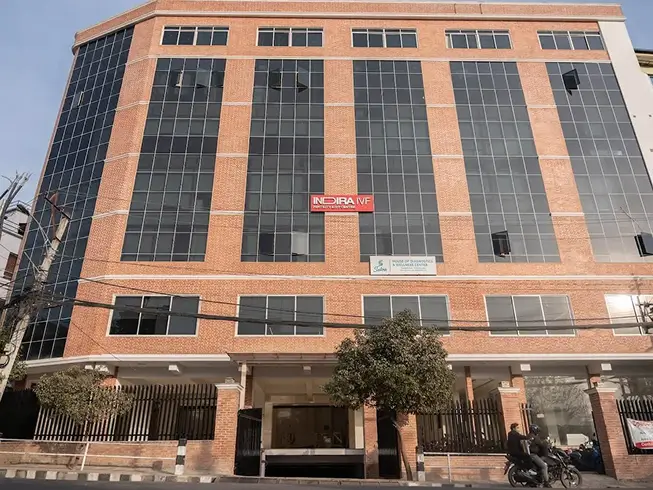
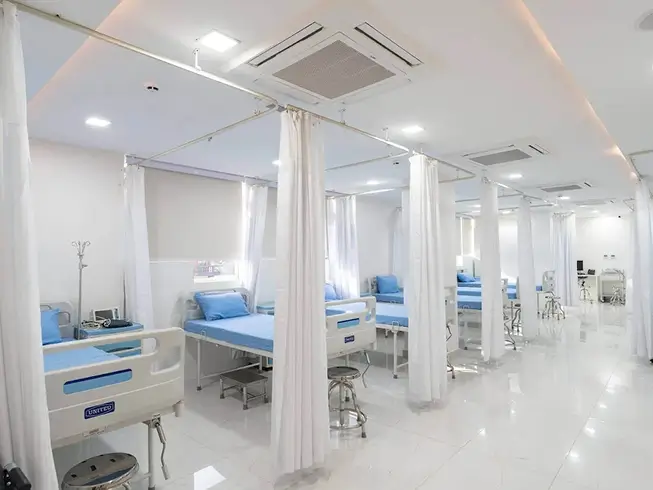
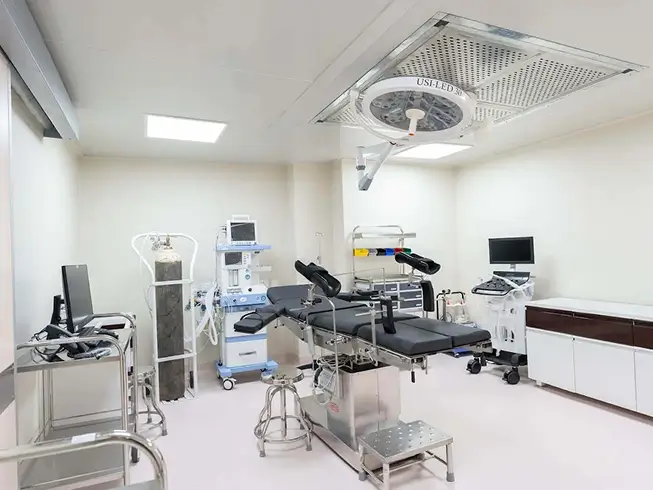


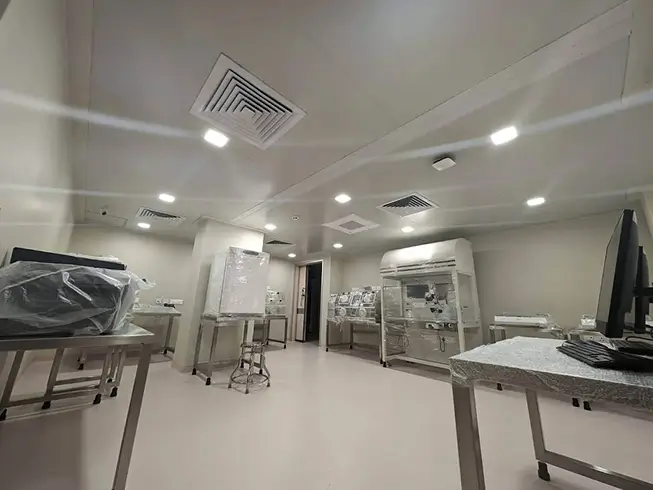

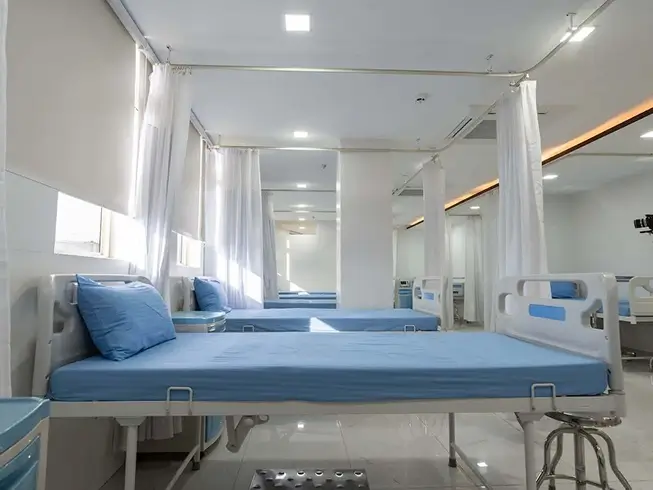
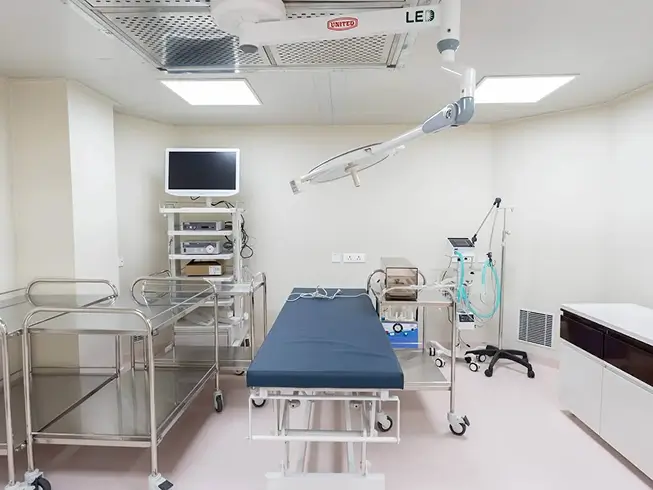
Visit our IVF Centre in Panipokhari, Kathmandu today!
Indira IVF, 3rd Floor, Adjacent to Global IME Bank, IME Complex, Panipokhari, Kathmandu-03, Nepal - 44600

Advanced Fertility Treatments with State-of-the-Art Technology
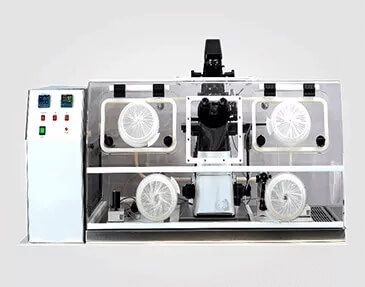
Closed Working Chambers Technology
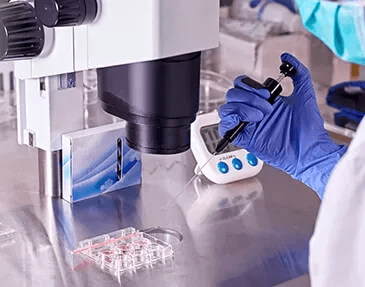
Non-Invasive Preimplantation Genetic Testing (NIPGTA)
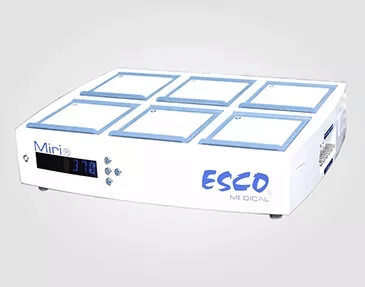
Advanced Incubators
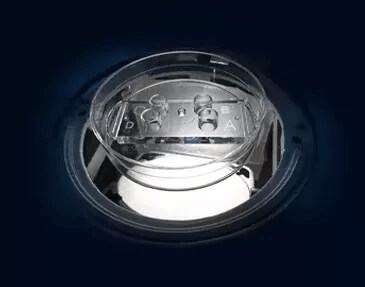
Microfluidic Sperm Sorter Technique
24*7 Monitoring System