015971265


Overview
It can be a shock to hear your doctor say that there is no sperm in your semen. Many couples describe feelings of grief, confusion, and even guilt, often before they have had time to ask questions. Please know that this result does not always mean the end of the road. In many cases, sperm are still being made inside the testicles but cannot reach the semen. TESA (testicular sperm aspiration) is a minor procedure that collects sperm directly from the testicle when none can be found in a man's semen. The sperm are then used for IVF with ICSI.
This guide explains who might need it, how it works, the risks, and what recovery may look like.
What Is TESA?
TESA (testicular sperm aspiration) is a male fertility procedure that is needed when sperm are absent in a man’s semen. It is a fairly simple step that helps in processes like IVF. A doctor passes a fine needle through the scrotal skin into the testicle and gently draws out a small amount of tissue and fluid. An embryologist then examines the sample under a microscope for living sperm. Once sperm is found, it can be used immediately for IVF or ICSI or frozen for later use.
Who Might Need TESA?
TESA is usually offered as an option to men struggling with azoospermia (a medical condition in which there is no measurable sperm in semen). Sperm retrieval may be considered in these situations as well:
- A blockage in the tubes that carry sperm. This is called obstructive azoospermia. Sperm are produced normally but cannot get out.
- Previous vasectomy where reversal has failed or is not wanted.
- Congenital absence of the vas deferens, meaning the tubes were missing from birth. This is often linked to changes in the gene associated with cystic fibrosis.
- Problems with ejaculation that stop sperm from reaching the semen, when other methods have not worked.
- Some cases of non-obstructive azoospermia, where sperm production is very low. In these cases, doctors may choose a different technique, discussed below.
Your fertility specialist will decide whether TESA suits you after a semen analysis, a physical examination and blood tests, including hormone levels.
How the Procedure Works
Although TESA is a fairly simple, minimally invasive procedure, knowing what to expect beforehand can provide much-needed comfort.
Before the procedure, you will typically be called in for a consultation, blood tests, and a consent discussion. Your partner will normally begin ovarian stimulation, which is a course of hormone injections to help her ovaries produce several eggs. Although sperm can be frozen for later use, clinics often time the process so both eggs and sperm are ready at the same time.
On the day of the procedure, TESA is usually done as a day case. Most clinics use local anaesthetic to numb the area, though some offer sedation or a general anaesthetic. The doctor cleans the skin, inserts a thin needle into the testicle and applies gentle suction. The whole procedure often takes only 15 to 30 minutes. If no sperm are found on one side, the doctor may sample the other.
The embryologist checks the sample straight away. Any sperm found are either used on the same day to fertilise the eggs collected from your partner or frozen for a future cycle. The fertilised eggs grow in the laboratory for several days, and the clinic then transfers a healthy embryo to the womb.
How TESA Compares to Other Sperm Retrieval Methods
TESA is not the only sperm retrieval method, and it helps to have a basic understanding of all the options available.
| Procedure | Full Name | Where Sperm Are Collected From | Typical Use |
|---|---|---|---|
| TESA | Testicular sperm aspiration | Testicle | Mainly obstructive azoospermia |
| PESA | Percutaneous epididymal sperm aspiration | Epididymis | Blockage further along the tubes |
| TESE | Testicular sperm extraction | Testicle | When needle sampling fails or sperm production is low |
| Micro-TESE | Microscopic testicular sperm extraction | Testicle | Non-obstructive azoospermia |
Needle-based methods such as TESA and PESA are less invasive. Surgical methods remove more tissue but may be better when sperm production is severely reduced.
Risks and Recovery
TESA is considered a safe, minor procedure. That said, like any medical intervention, it carries risks. Possible complications include:
- Pain or tenderness in the scrotum that lasts for a few days
- Bruising
- Swelling
- A small collection of blood (haematoma)
- Infection (uncommon)
- In rare cases, damage to the testicle tissue or blood supply
Recovery is generally quite quick. Many men return to desk work within a day or two. Simple painkillers such as paracetamol often help, and supportive underwear can ease discomfort. Your healthcare provider will usually advise you to avoid heavy lifting, strenuous exercise, and sex for around a week, or as your clinic advises. Contact your doctor promptly if you develop a fever, increasing pain, marked swelling or redness.
Success Rates of TESA
There is no single success figure for TESA, because outcomes depend heavily on the underlying cause. In general, when the problem is a blockage and sperm production is normal, sperm are found in most cases. Where the cause is poor sperm production, the chance of finding sperm is lower. Moreover, IVF outcomes also depend on factors associated with the woman, including age, egg quality, and womb health.
Looking After Your Emotional Wellbeing
Male infertility is still wrapped in silence and stigma, and many men quietly carry the burden. It is perfectly normal to feel anxious before the procedure or low while waiting for results. Talking openly with your partner, a trusted friend, or a fertility counsellor can make a real difference.
Conclusion
TESA offers real hope to men who have no sperm in their semen. By collecting sperm directly from the testicle and combining it with ICSI, many couples can try for a baby using their own genetic material. It is a short, relatively low-risk procedure, but its success depends on the cause of your infertility, so an honest conversation with a fertility specialist is essential. If you have been told your semen contains no sperm, ask about the cause, your retrieval options and the support available. Understanding your choices is the first step towards making confident decisions.
Frequently Asked Questions
Is TESA a painful procedure?

You will be numbed or sedated, so you will feel very little during the procedure. You will usually have some soreness and bruising for a few days afterwards, which you can manage with simple painkillers.
Does TESA affect testosterone or future fertility?
Needle sampling rarely affects hormone levels long-term. Your doctor will discuss the small risk of tissue damage, which is more relevant with surgical methods.
Can TESA be done without IVF?
No. Sperm from TESA cannot be used for standard insemination. They need IVF with ICSI to fertilise the eggs.
What if no sperm are found?
This can happen, especially when sperm production is very low. Your doctor may suggest another attempt, a different retrieval method, donor sperm or other family-building options.
Can the sperm be frozen?
Yes. Sperm collected by TESA can often be frozen and used in later cycles, though the number of healthy sperm that survive thawing varies. Your clinic should be able to explain all the possibilities.
Our Clinic
From tests and scans to the entire treatment process, Indira IVF provides all fertility services under 1 roof and has the latest facilities for your comfort and convenience.

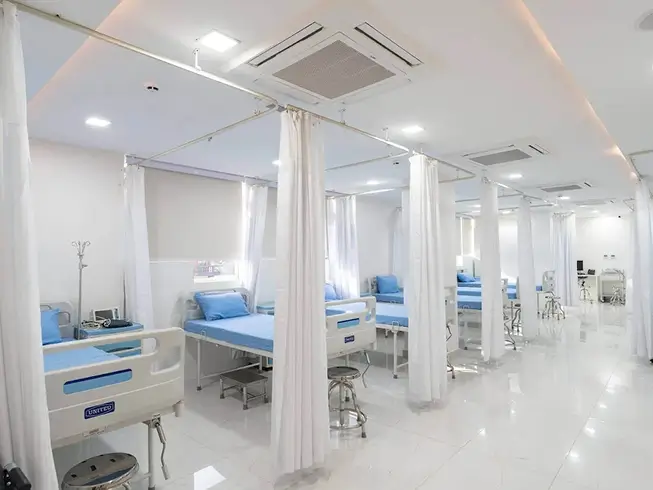
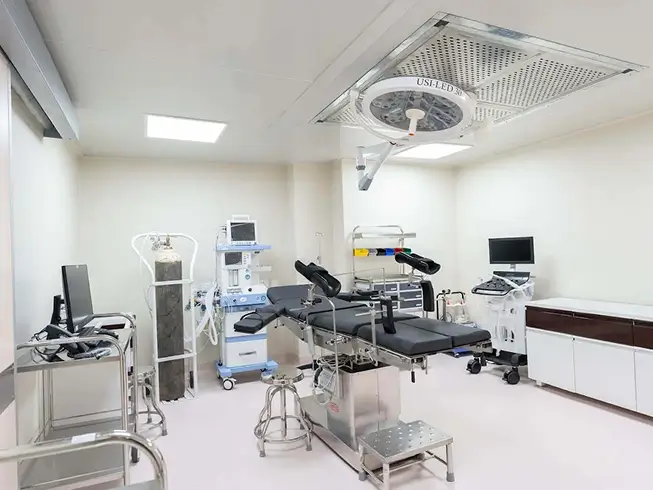
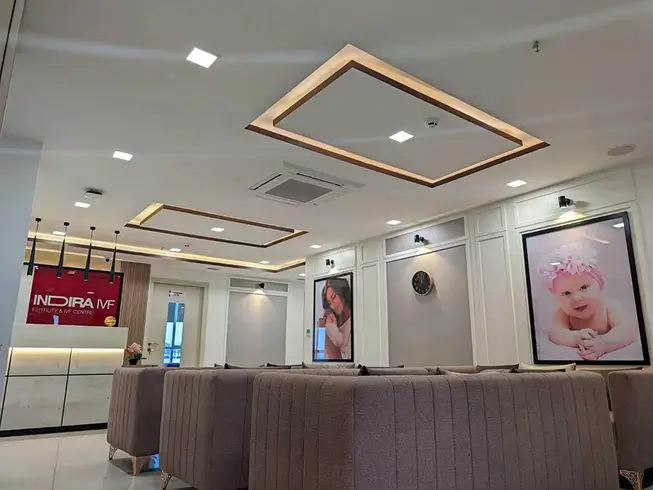

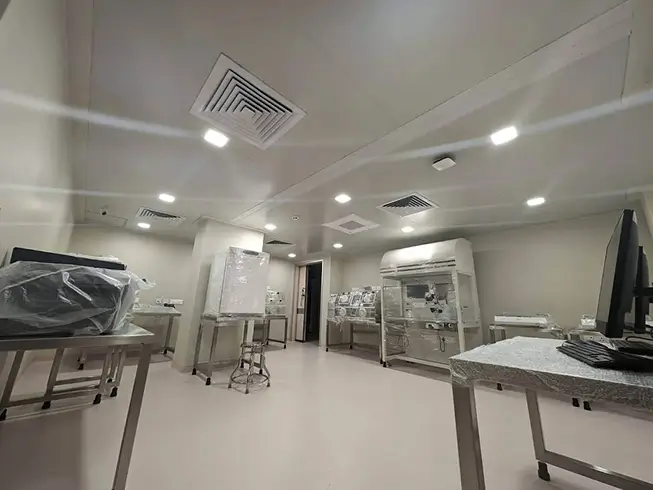
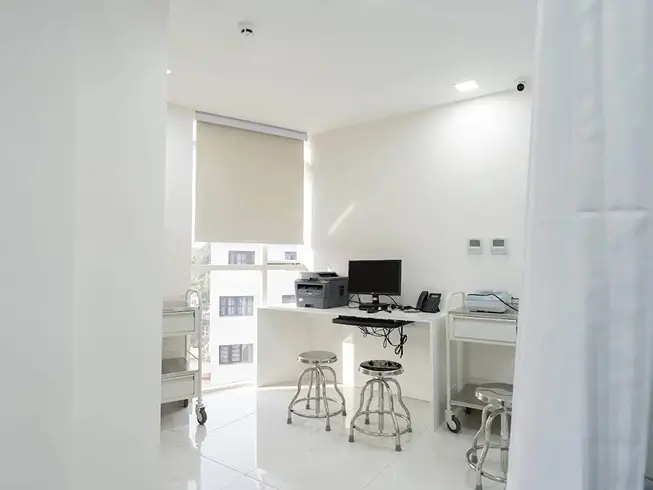
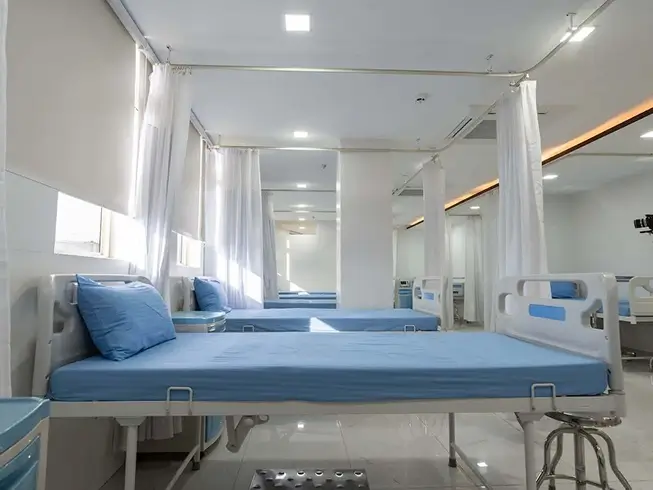
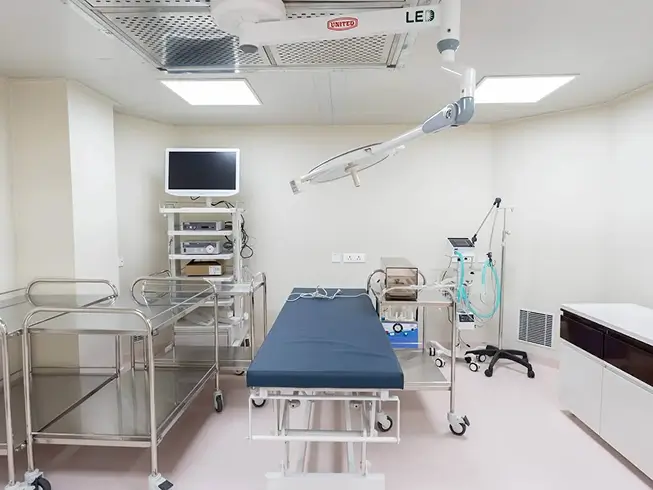
Visit our IVF Centre in Panipokhari, Kathmandu today!
Indira IVF, 3rd Floor, Adjacent to Global IME Bank, IME Complex, Panipokhari, Kathmandu-03, Nepal - 44600

Advanced Fertility Treatments with State-of-the-Art Technology
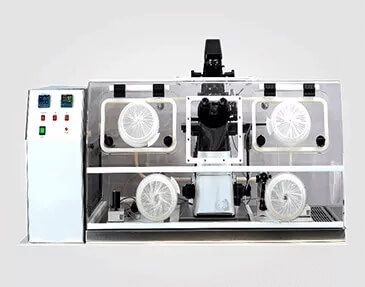
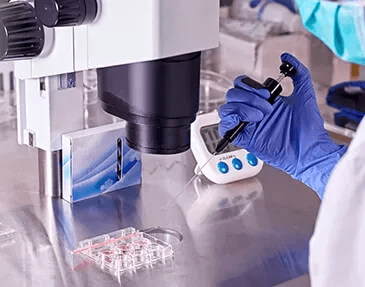
Closed Working Chambers Technology
Non-Invasive Preimplantation Genetic Testing (NIPGTA)
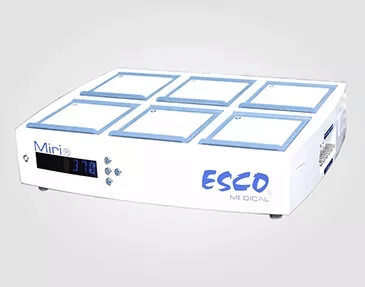
Advanced Incubators
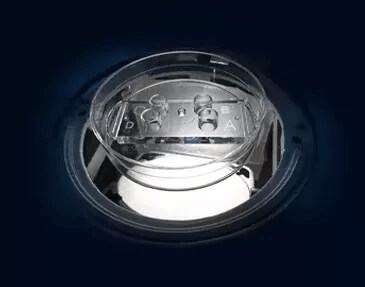
Microfluidic Sperm Sorter Technique
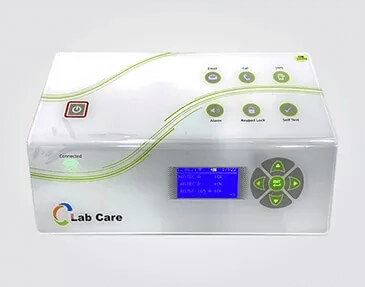
24*7 Monitoring System