
 015971265




What Causes Infertility in Men?
Male infertility can arise from various underlying causes. Hormonal imbalances, including low testosterone levels, can disrupt sperm production and function. Structural abnormalities, such as blockages in the reproductive system or varicoceles, can impede the transport of sperm. Genetic disorders, such as Klinefelter syndrome, can affect sperm production or quality. Infections, such as sexually transmitted infections or reproductive tract infections, can damage sperm or block sperm passage. Lifestyle factors like smoking, excessive alcohol consumption, drug use, exposure to toxins, and obesity can also contribute to infertility in men. Certain medical conditions, including diabetes, hypertension, and autoimmune disorders, may affect fertility as well.
What are Common Male Infertility Problems?

Low Sperm Count
Insufficient quantity of sperm in the semen, which can affect fertility.

Poor Sperm Motility
Reduced ability of sperm to move and reach the egg for fertilization.

Abnormal Sperm Morphology
Irregular shape and structure of sperm, impacting their ability to fertilize an egg.
General Symptoms of Male Infertility
Male infertility may not always present noticeable symptoms. However, some signs may indicate an underlying issue. These include difficulty achieving or maintaining an erection, problems with ejaculation, decreased sexual desire or libido, pain or swelling in the testicles, abnormal semen volume, consistency, or colour. Hormonal imbalances may manifest as changes in hair growth, reduced muscle mass, or breast enlargement. It's important to note that experiencing these symptoms does not necessarily confirm male infertility, as further medical evaluation and a diagnostic male fertility test are required to determine the cause. Consulting a fertility specialist can help identify and address potential fertility concerns.
Male Infertility Diagnosis
Male infertility diagnosis involves a comprehensive assessment of medical history, physical examination, and specialized tests. Semen analysis is a fundamental test to evaluate sperm count, motility, and morphology. Additional evaluations may include hormone testing, genetic screening, imaging studies, and testicular biopsy. Accurate diagnosis enables tailored treatment strategies for couples facing fertility challenges. Some of the common Male Infertility Tests are:
- Semen analysis: Assessing sperm count, motility, and morphology.
- Sperm DNA Fragmentation Index: Evaluating DNA integrity within sperm.
- Post-Ejaculation Urinalysis: Examining urine after ejaculation for retrograde ejaculation.
- Physical examination: Assessing the reproductive organs for abnormalities.
- Analysis of medical history: Reviewing medical conditions, medications, and lifestyle factors.
Frequently Asked Questions
Can male infertility be treated?

Yes, male infertility can often be treated through various approaches, such as medication, surgical interventions, lifestyle modifications, and assisted reproductive technology (ART) procedures.
What are the success rates of male infertility treatments?
The success rates of male infertility treatments vary depending on factors such as the specific treatment, the underlying cause of infertility, and individual circumstances. It's best to consult with a fertility specialist to understand the chances of success in your particular case.
How long does male infertility testing take?
The duration of male infertility testing may vary depending on the specific diagnostic procedures involved. Typically, it may take a few weeks to complete the necessary tests and receive the results.
Are there lifestyle changes that can improve male fertility?
Yes, adopting a healthy lifestyle, including regular exercise, a balanced diet, avoiding tobacco and excessive alcohol, and managing stress, can positively influence male fertility.
Does age affect male fertility?
Yes, advanced age can impact male fertility as sperm quality and quantity tend to decline with age.
Male Infertility Treatment Options

IVF (In-Vitro Fertilization)
Fertilizing eggs with sperm in a laboratory and transferring the resulting embryos to the uterus.

ICSI (Intra-Cytoplasmic Sperm Injection)
Injecting a single sperm into an egg for fertilization.

IUI (Intrauterine Insemination)
Placing washed sperm directly into the uterus during ovulation.
Why Choose Indira IVF for Male Infertility Treatment?
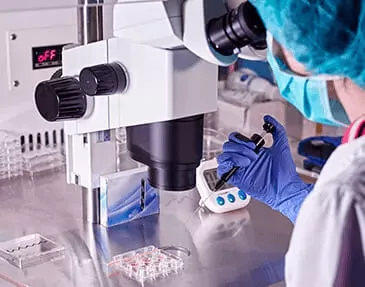
Comprehensive Male Infertility Care
Offering a wide range of advanced treatments and services specifically designed to address male infertility concerns effectively.

Experienced and Skilled Specialists in Male Infertility
Access to highly trained fertility experts specializing in diagnosing and treating male infertility with years of experience.

State-of-the-Art Facilities for Male Infertility
Equipped with modern technologies and advanced laboratory services to ensure accurate diagnosis and optimal treatment outcomes for male infertility.
Meet our Fertility Experts



Our Clinic
From tests and scans to the entire treatment process, Indira IVF provides all fertility services under 1 roof and has the latest facilities for your comfort and convenience.




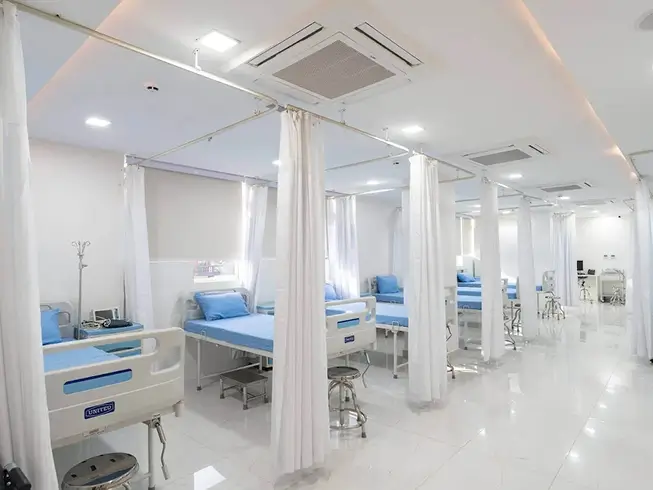
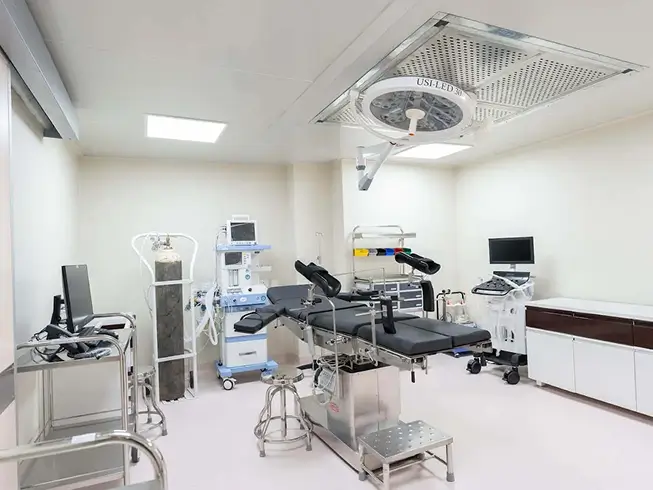


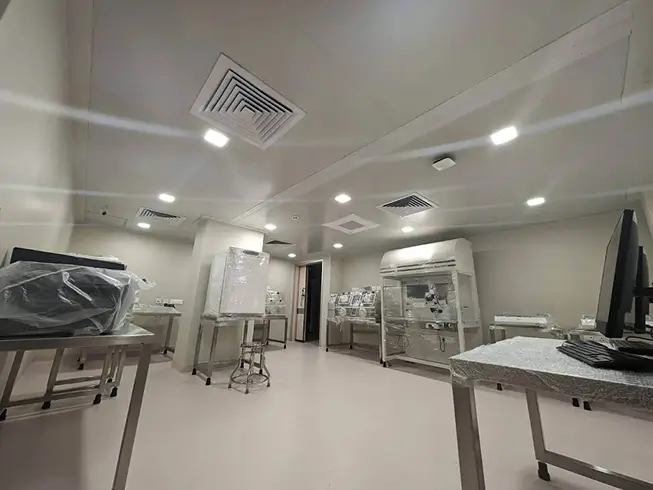


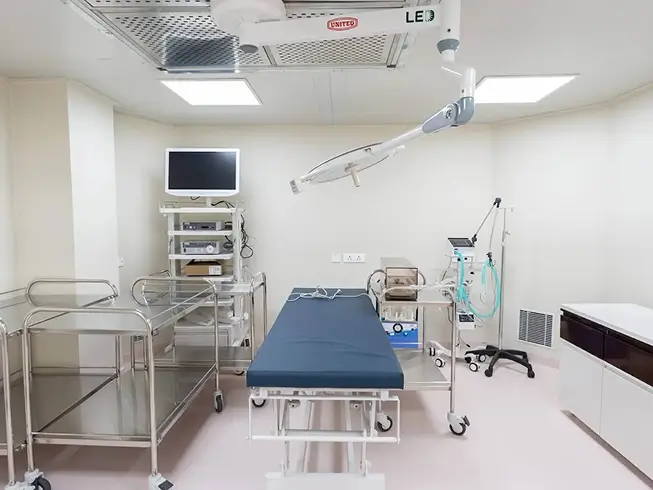
Visit our IVF Centre in Panipokhari, Kathmandu today!
Indira IVF, 3rd Floor, Adjacent to Global IME Bank, IME Complex, Panipokhari, Kathmandu-03, Nepal - 44600

Advanced Fertility Treatments with State-of-the-Art Technology
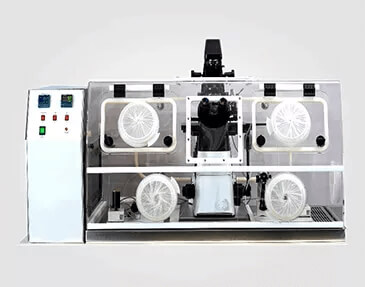
Closed Working Chambers Technology
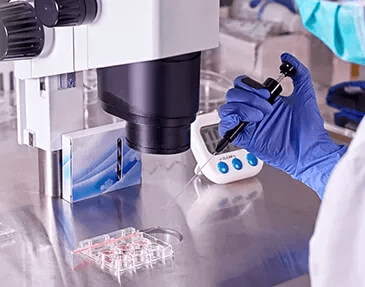
Non-Invasive Preimplantation Genetic Testing (NIPGTA)

Advanced Incubators
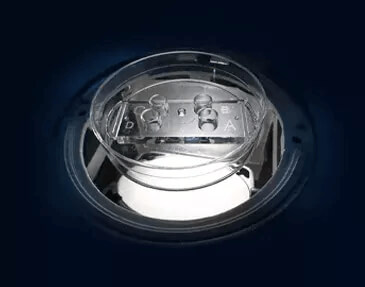
Microfluidic Sperm Sorter Technique
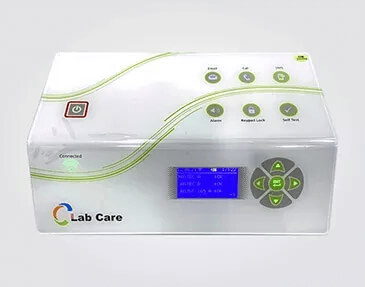
24*7 Monitoring System
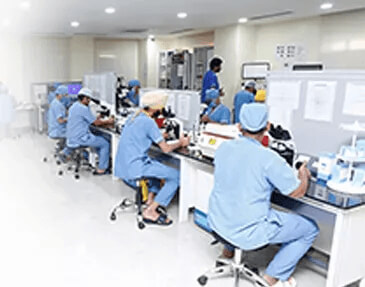
World-class laboratories