
 015971265




Overview
Whether you’re climbing the career ladder, improving your health, or chasing personal dreams, egg freezing gives you the flexibility to start a family when the time is right. Indira IVF utilises cutting-edge vitrification technology to maximise oocyte survival and fertilisation outcomes. If you’re thinking about freezing your eggs, this guide is here to help, covering why it’s done, what happens during the procedure, how long it takes, the costs in Nepal, and what to expect afterwards so you can make the best choice for yourself.
Introduction
Egg freezing, or oocyte cryopreservation, is a modern development in reproductive science. It enables women to preserve their fertility and delay pregnancy gracefully, for medical, professional, or lifestyle reasons. Egg freezing employs advanced vitrification methods for high oocyte survival and fertilisation outcomes, and provides women with reliable fertility preservation options.
What Is Egg Freezing?
Egg freezing allows women to take charge of their fertility. Eggs are collected, frozen with advanced vitrification, and stored until the right time. When needed, they can be thawed, fertilised, and used to achieve pregnancy.
This method helps women undergoing cancer treatments, those at risk of early menopause, or anyone wishing to delay motherhood while focusing on education or career.
Because both ovarian reserve and egg quality naturally decline over time, freezing eggs before the age of 35 provides the highest likelihood of successful conception and a healthy pregnancy in the future.
When Should You Consider Egg Freezing?
Egg freezing is a protective and empowering step toward a future where motherhood is in your control. Consider it if you want to:
- Preserve egg quality under the age of 35 for easier pregnancy later.
- Protect fertility when undergoing medical treatments.
- Early menopause in the family? Act now to secure your options.
- Focus on your life goals without fear.
When you freeze eggs for future IVF treatment, you get the assurance and confidence you need.
Egg Freezing Process Step-by-Step
Egg freezing is easier than it sounds and is fully managed by experienced specialists. Here’s how it works:
-
Ovarian Stimulation:
Ovarian stimulation uses carefully monitored hormone treatments to help your ovaries produce extra eggs.
-
Monitoring:
Each step is tracked with care, nurturing your eggs for the future you desire.
-
Egg Retrieval:
Egg retrieval is handled with care. A short, minimally invasive procedure collects your mature eggs safely while you remain relaxed under light sedation.
-
Vitrification:
Each egg is carefully frozen using vitrification, keeping it healthy and ready for the future.
-
Storage:
Eggs remain safe in secure, temperature-controlled tanks until the right moment.
Think of egg freezing as taking the reins, letting you decide when to start a family without pressure or compromise.
How Long Does Egg Freezing Take?
Egg freezing usually takes around 10–14 days. You start with ovarian stimulation, finish with egg retrieval, and then your eggs can stay safely frozen for 5–10 years, or longer, depending on your clinic.
This flexibility gives you peace of mind, letting you embrace motherhood when your heart and life are ready.
Egg Freezing Cost in Nepal
The egg freezing cost in Nepal is influenced by medications, the number of eggs retrieved, and storage duration. Clinics often provide packages for stimulation, retrieval, and 1–2 years of storage. Annual fees may apply if you want to keep your eggs frozen for longer.
What Happens After You Freeze Your Eggs?
When you feel ready, your frozen eggs can be fertilised through IVF and placed in your uterus, giving you the freedom to start your family.
The likelihood of a successful pregnancy depends mainly on the age at which the eggs were frozen and their quality. Egg freezing offers women the ability to plan their future while protecting fertility.
Conclusion
Egg freezing is a safe, effective, and reliable way for women to take charge of their fertility timeline. Whether chosen for medical egg freezing or social egg freezing, this technique empowers women to preserve the option of motherhood for the right time.
If egg freezing is on your mind, it’s a good idea to speak with a fertility doctor at Indira IVF to see if it fits your plans.
Frequently Asked Questions
What is the best age to freeze eggs?

Freeze your eggs before 35. Your eggs are at their best, your chances of pregnancy are higher, and future fertility risks are lower.
How many eggs should I freeze for a future pregnancy?
Freeze 15–20 eggs. That’s the number doctors say gives you the best shot at success later and ensures healthy embryos for IVF.
Are there risks or side effects of egg freezing?
Most women just feel a little bloated or crampy from the hormone shots, and it usually goes away fast. Serious side effects hardly ever happen, so egg freezing is considered safe.
How long can eggs stay frozen?
With vitrification and proper egg storage, your eggs can stay healthy for 5–10 years or more. Exact limits depend on the clinic and law, but long-term preservation gives peace of mind and hope for your future.
Will egg freezing guarantee a future pregnancy?
Egg freezing can be beneficial, though success cannot be guaranteed. Age, number of eggs, and egg quality all influence the results.
Is egg freezing painful?
The egg retrieval procedure is simple and done under light sedation. Most women barely feel any pain, though some might experience mild cramping afterwards, which usually fades fast.
Can I freeze eggs if I have PCOS?
Women with PCOS can freeze their eggs successfully. While ovarian stimulation may generate more eggs than normal, careful monitoring by doctors keeps the process safe and effective.
Is egg freezing legal and available in Nepal?
Yes, egg freezing is legal and available in Nepal. Modern fertility centres, such as Indira IVF, make it safe and accessible, giving women peace of mind for their future.
Meet our Fertility Experts



Advanced Fertility Treatments with State-of-the-Art Technology
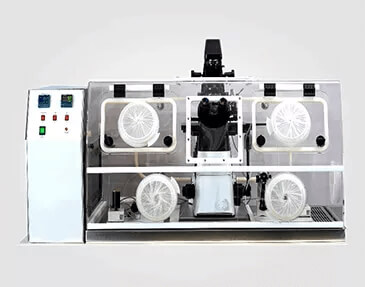
Closed Working Chambers Technology
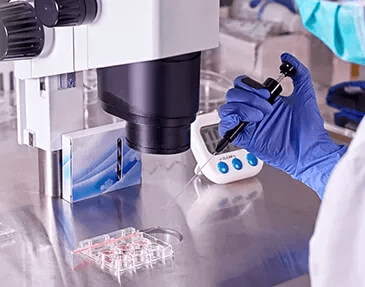
Non-Invasive Preimplantation Genetic Testing (NIPGTA)
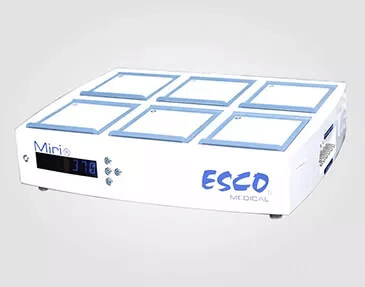
Advanced Incubators
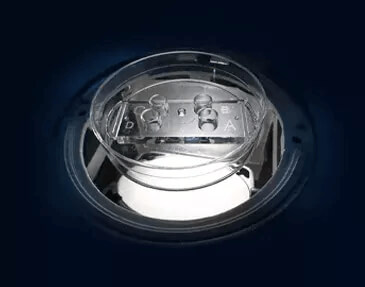
Microfluidic Sperm Sorter Technique
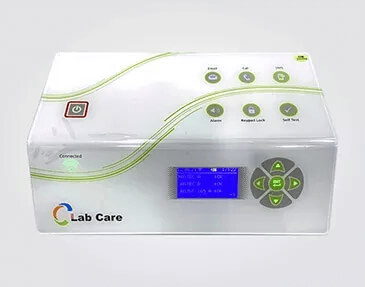
24*7 Monitoring System
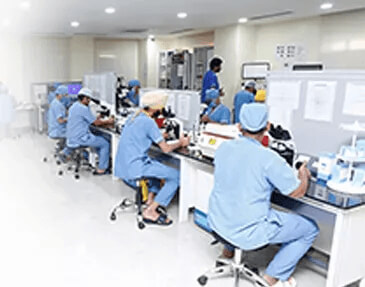
World-class laboratories