
 015971265



Overview
For women and couples who are unable to conceive with their own eggs, egg donation has emerged as a crucial component of modern reproductive therapies. Assisted Reproductive Technologies (ART) such as IVF allow families to enjoy the benefits of parenthood with the help of healthy, rigorously vetted (mental and physical health) egg donors. In Nepal, egg donation takes place under medical supervision and is anonymous and secure. Here, we will inform you about egg donors, egg donor requirements, IVF using donor eggs, the egg donation programme, and more.
Introduction
Egg donation supports Assisted Reproductive Technology (ART) and enables women with infertility or genetic problems to conceive. By enabling women and couples who face challenges to have babies, it has transformed the face of fertility care. An egg donor may donate healthy eggs that are fertilised and implanted through IVF in cases where a woman has poor-quality eggs that cannot be utilised in the conception process.
Egg donation gives couples fresh hope for starting a family by offering both medical and emotional support. The entire egg donation procedure will involve a doctor who retrieves eggs from the donor and mixes them with sperm in an appropriate lab setting to reach the fertilisation stage. The fertilised eggs or embryos are transferred into the recipient’s uterus.
What Is an Egg Donor Programme?
Egg donation in Nepal is carefully designed and ethical, with willing and medically screened women donating their eggs for the process. Fertility centres usually collaborate with egg donor banks or agencies, as they are considered safe and reliable. After they are chosen, an egg donor gets ovarian stimulation, and the eggs are collected under sedation at the right stage of her menstrual cycle.
Profiles of egg donors are normally provided to intended parents in advance, sometimes through email. These profiles can contain hobbies, lifestyle, physical characteristics, including height, weight, and complexion and even health history. An anonymous egg donor arrangement retains the identity of the parties, and only critical information is offered.
The selection of a donor depends on the choice made by the intended parents with the guidance of professionals, because this directly influences their journey of IVF with donor eggs. This programme can be especially useful to women whose fertility has been affected by poor ovarian reserve/ premature ovarian failure, genetic conditions, or age-related diminishment of fertility. By using donor eggs, intended parents increase their chances of achieving a healthy pregnancy and bringing home a child.
When Should You Consider Egg Donation?
Egg donation is a recommended fertility alternative in certain cases, which include:
- Poor Ovarian Reserve - A woman with conditions such as ovarian failure or diminished ovarian reserve may not produce healthy eggs. Egg donation is a solution in case of such a condition.
- Premature Menopause - Women who cease to ovulate before the age of 40.
- Genetic Conditions - There are some women with genetic disorders which may be transferred to their unborn children. In this kind of situation, a healthy egg donor can be used to spare such a genetic hazard.
- Failed IVF Cycles - Poor quality eggs or other problems cause IVF cycles to fail repeatedly for some women. Egg donation can raise the odds of a successful pregnancy in the given case.
These scenarios illustrate the valuable support that donor eggs provide in fertility journeys.
Egg Donor Screening Process
Egg donation in Nepal follows a complete medical and ethical procedure that guarantees the safety of the donor and recipient. The requirements of clinics when dealing with egg donation will be health, fertility, and psychological readiness.
-
Age & Medical History Check:
Donors are usually between 21 and 30 years, as this is the peak fertility window. A comprehensive health history assessment is necessary to ensure that no pre-existing conditions interfere with the quality of an egg.
-
Ovarian Reserve Testing:
Tests that are done include AMH, FSH and antral follicle counts, which help determine the quantity and quality of eggs that the donor can supply.
-
Genetic Screening:
Genetic testing is performed to identify and eliminate the risks of genetically transmitted diseases and chromosomal abnormalities, thereby increasing the likelihood of healthy outcomes.
-
Infectious Disease Tests:
Special tests for infectious diseases are also carried out. These are HIV, Hepatitis B & C and Syphilis.
-
Psychological Evaluation:
A psychological test is carried out after medical screening to assess the emotional health of the donor. IVF egg donations may lead to emotional issues that can have repercussions later. To prevent such problems, a psychological screening is done.
These several stages of assessment will make sure that only healthy and viable eggs are donated, with higher success rates.
IVF Process Using Donor Eggs
Egg donation in Nepal provides hope for infertile women who are unable to conceive through their own eggs. The process is medically and ethically sound and conforms to high standards of egg donors. Here’s how it works:
-
Synchronisation:
With medication, the menstrual cycle of the donor and recipient would align so that the uterus would be ready to receive the embryo.
-
Egg Retrieval:
The procedure is quick and can be performed under mild sedation. The mature eggs are extracted with no risk involved.
-
Fertilisation:
The eggs retrieved are then inseminated in the laboratory using the sperm of the recipient partner, creating embryos.
-
Embryo Transfer:
The healthy embryos are transferred into the uterus of the recipient, allowing the implantation to take place successfully.
-
Pregnancy Test:
A blood test is performed 10-14 days following that to confirm whether they have been able to conceive.
This process has given many families the joy of parenthood.
How Long Does the Egg Donation Process Take?
In Nepal, the entire egg donor IVF treatment procedure encompasses various aspects, including finding an appropriate egg donor, medical screenings, waiting window and the IVF treatment itself. The timeframe for the egg donation process is probably going to vary depending on how effectively the recipient and donor can coordinate with reference to the cycles. If everything goes as planned, the egg donation process can only take 3-4 days.
Egg Donor Cost in Nepal
Egg donor IVF prices in Nepal typically include a number of factors such as the amount paid to the egg donor, medical examination (screens), medication, and the IVF procedure. The overall costs of treatment may vary with each case and can be defined by the specific clinic's costs, the treatment plan, and the services provided in the package. Intended parents must consult directly with their chosen fertility centre to find out a detailed breakdown of what the cost will involve. This brings in clarity, and a couple can rest assured that they are making informed choices before embarking on their IVF procedure with donor egg treatment.
What Happens After Using a Donor Egg?
After the donor egg is fertilised successfully and then implanted, the pregnancy continues to be carried to term just like in any other instance of IVF. The child will be genetically connected to the donor, although the pregnancy is carried by the recipient and the recipient becomes the legal parent. Emotional support and counselling are typically prescribed, enabling couples to navigate this journey with confidence and optimism.
Frequently Asked Questions
Is the egg donation process safe for the donor?

Yes, egg donation is safe. Donors will be properly screened and carefully monitored with minimal risks, just like other fertility procedures, and their health and well-being will be guaranteed when being used in the process.
Will the donor remain anonymous?
Most of the programmes that use egg donors in IVF are, in reality, anonymous about the donor. Important information about medical history and characteristics is provided to intended parents, and personal information is kept confidential.
Can I choose the characteristics of my egg donor?
Many programmes enable intending parents to pick donors on the basis of elements such as age, blood group, and educational background.
How are egg donors selected in Nepal?
Egg and sperm donors undergo extensive screening and medical, genetic and psychological examination.
What are the success rates of IVF with donor eggs?
IVF using donor eggs has a higher success rate compared to conventional IVF. This is owing to the fact that donated eggs are mostly from young and healthy women, and this increases the chances of embryo production and subsequent pregnancy.
Can I use a known egg donor?
In some cases, known donors may be considered if they meet medical requirements and legal guidelines.
What are the legal guidelines for egg donation in Nepal?
In Nepal, egg donation is controlled by ethical and medical standards to safeguard everyone involved.
Are there any side effects of using donor eggs?
The possibility of side effects on the recipient of donor eggs is minimal. Its effects are similar to those of regular IVF treatments (e.g., mild hormonal responses or discomfort) and are generally temporary and manageable.
Will the child look like the donor or the recipient?
Genetically, the child gets the traits of both the donor and the recipient.
Meet our Fertility Experts

Advanced Fertility Treatments with State-of-the-Art Technology
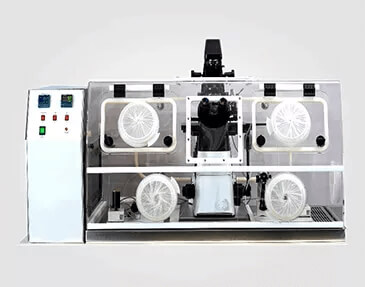
Closed Working Chambers Technology
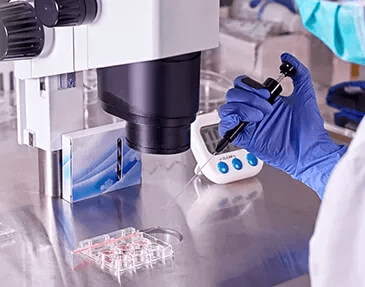
Non-Invasive Preimplantation Genetic Testing (NIPGTA)
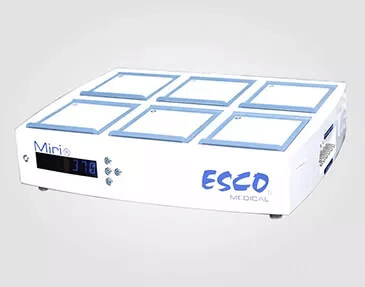
Advanced Incubators
Microfluidic Sperm Sorter Technique
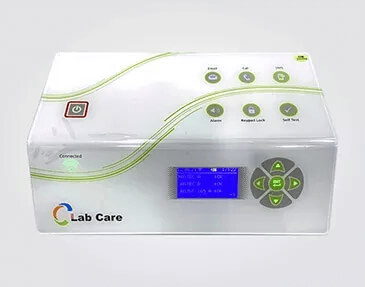
24*7 Monitoring System
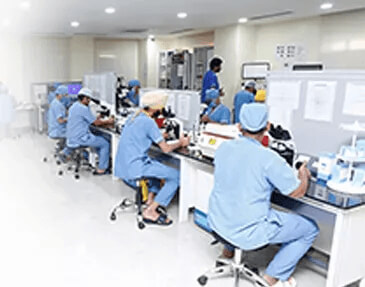
World-class laboratories