
 015971265




Introduction
Hysteroscopy is a minimally invasive fertility procedure that allows doctors to examine the inside of the uterus using a thin, lighted instrument called a hysteroscope. It is commonly used to diagnose and treat conditions such as uterine fibroids, polyps, scar tissue, and other structural issues that may affect fertility or menstrual health. By providing a clear view of the uterine cavity, hysteroscopy helps improve fertility treatment outcomes, supports IVF success, and promotes better reproductive wellness.
What is Hysteroscopy Surgery?
Hysteroscopy refers to a surgical procedure used to examine the uterus. It involves the insertion of a thin, illuminated instrument called a hysteroscope through the vagina and cervix into the uterine cavity. This procedure allows healthcare professionals to directly visualize the inside of the uterus and diagnose or treat various gynaecological conditions. Hysteroscopy can help identify issues like abnormal bleeding, polyps, fibroids, adhesions, or other structural abnormalities. It is typically performed on an outpatient basis and is considered a minimally invasive technique, offering advantages such as shorter recovery time, minimal scarring, and reduced discomfort compared to traditional open surgeries.
When is Hysteroscopy Test Recommended?
Hysteroscopy is recommended in IVF (In Vitro Fertilization) when there is a need to assess the uterine cavity for any potential abnormalities that could impact the success of the procedure. It is typically performed prior to the IVF cycle to ensure optimal conditions for embryo implantation. Hysteroscopy helps identify issues like uterine polyps, fibroids, scar tissue, or congenital abnormalities that may interfere with implantation or pregnancy. By detecting and treating these conditions, hysteroscopy can improve the chances of successful embryo implantation and increase the likelihood of a successful IVF outcome. This procedure plays a vital role in the comprehensive evaluation of the uterine environment and assists in optimizing the chances of achieving a successful pregnancy through IVF.
What are the benefits of a Hysteroscopy Procedure?
There are several benefits of Hysteroscopy in infertility testing and treatment. It allows direct visualisation of the uterine cavity, enabling the detection and removal of abnormalities that may hinder conception. Compared to traditional testing techniques, Hysteroscopy surgery is less invasive, offers better accuracy, and reduces the need for multiple procedures. At Indira IVF Clinic in Nepal, our expert doctors utilise this advanced procedure to improve fertility outcomes by addressing uterine factors that may contribute to infertility.
What is a Hysteroscopy procedure?
Below are the key steps involved in a Hysteroscopy Procedure:
-
Preparation:
Before the procedure, the patient may be given anaesthesia or a sedative to minimize discomfort. The doctor may also dilate the cervix to allow for the insertion of the hysteroscope.
-
Insertion:
The hysteroscope, a thin, lighted instrument, is carefully inserted through the vagina and cervix and into the uterus. Carbon dioxide gas or a fluid solution may be used to expand the uterine cavity, providing better visibility.
-
Visual Examination:
As the hysteroscope is advanced, it allows the doctor to visualize the uterine lining and look for any abnormalities. The images may be displayed on a monitor for a clear view.
-
Treatment (if necessary):
If any issues are detected, additional instruments can be passed through the hysteroscope to perform treatments. This may include removing polyps, fibroids, adhesions, or taking samples for biopsy.
-
Completion:
Once the examination and any necessary treatments are completed, the hysteroscope is gently removed, and the procedure is concluded.
What are the risks and complications of Hysteroscopy?
Hysteroscopy is generally a safe procedure, but like any medical intervention, it carries some risks. Possible complications of hysteroscopy include uterine perforation, infection, bleeding, and damage to surrounding organs. However, these complications are rare and occur in less than 1% of cases. At Indira IVF, our experienced fertility experts prioritise patient safety and take all necessary precautions to minimise the risks associated with Hysteroscopy. Rest assured that your well-being is our utmost priority throughout the entire procedure.
What is the success rate of IVF post Hysteroscopy?
The success rate of IVF post hysteroscopy can vary depending on individual factors and the specific reason for the hysteroscopy. However, hysteroscopy is often performed to optimize the uterine environment for embryo implantation. By addressing any abnormalities or removing obstacles, it can potentially improve the success rate of IVF by enhancing the chances of successful embryo implantation and pregnancy.
What is the Hysteroscopy Cost in Nepal?
The cost of hysteroscopy in Nepal can vary depending on various factors such as the type of hysteroscopy, the clinic or hospital, and any additional procedures required. On average, the cost of hysteroscopy in Nepal ranges from NPR 15,000 to NPR 60,000. It's important to note that this is a general cost range and prices may differ based on individual circumstances and healthcare providers.
Conclusion
Hysteroscopy is a safe and effective procedure that plays a key role in diagnosing and treating conditions inside the uterus. By providing a clear view of the uterine cavity, it helps improve fertility outcomes and supports smoother IVF or conception journeys.
If you're experiencing fertility challenges or irregular menstrual issues, a hysteroscopy at Indira IVF can help identify and treat the root cause. Consult our fertility specialists today and take the next step toward your parenthood journey.
Frequently Asked Questions
Is Hysteroscopy Painful?

Hysteroscopy is usually performed under anaesthesia, so patients typically do not experience pain during the procedure; however, some mild discomfort or cramping may be felt afterwards.
What are the reasons for undergoing Hysteroscopy?
Hysteroscopy is commonly performed for diagnostic purposes to investigate abnormal uterine bleeding, infertility, or recurrent miscarriages, as well as for therapeutic interventions such as removing polyps or fibroids.
How long does it take to recover from hysteroscopy surgery?
The recovery time after hysteroscopy surgery is generally short, with most individuals able to resume normal activities within a day or two; however, full recovery may take a few days to a week.
Can hysteroscopy detect and remove uterine abnormalities?
Yes, hysteroscopy enables the visualisation and identification of uterine abnormalities such as polyps, fibroids, adhesions, or septum, and in many cases, these abnormalities can be simultaneously removed or treated during the procedure.
Why Choose Indira IVF for Hysteroscopy?
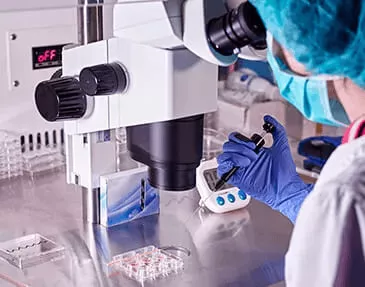
Highly Skilled Doctors
Our highly skilled team of doctors specializes in hysteroscopy procedures and ensures personalized care throughout the process.

Advanced Technology
We use cutting-edge hysteroscopy equipments and adhere to strict quality standards, ensuring accurate diagnosis and effective treatment.

Compassionate Care
Indira IVF offers compassionate care, understanding the emotional aspect of fertility treatments.
Meet our Fertility Experts



Our Clinic
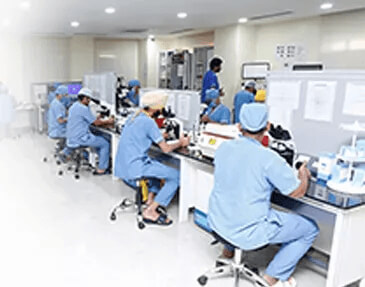
From tests and scans to the entire treatment process, Indira IVF provides all fertility services under 1 roof and has the latest facilities for your comfort and convenience.

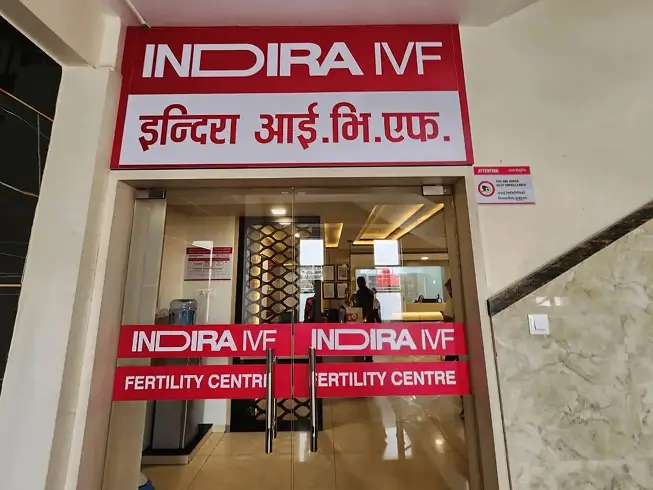


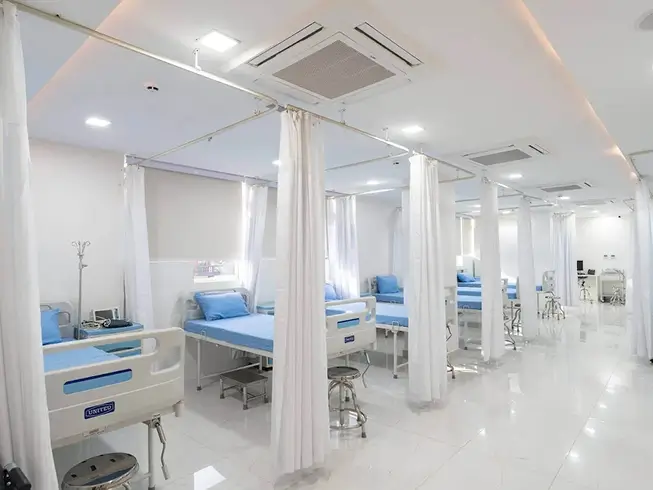
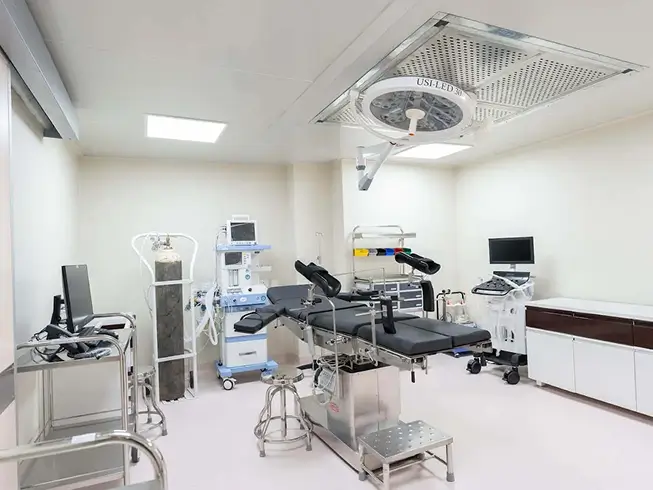


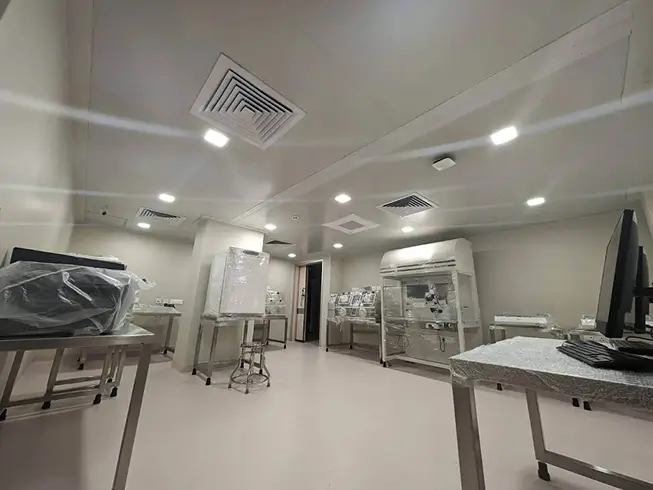
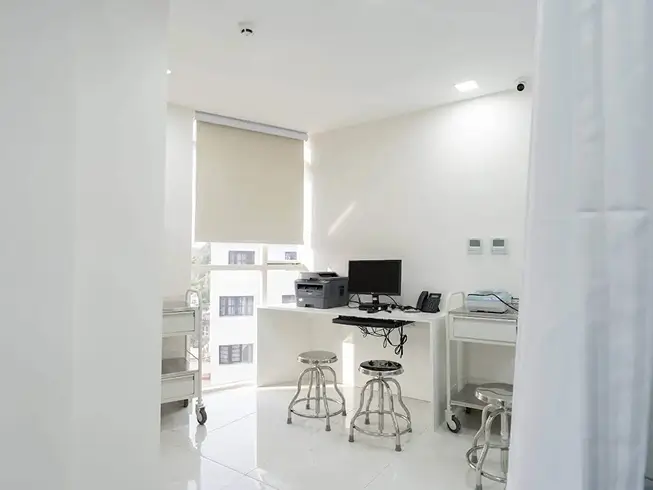

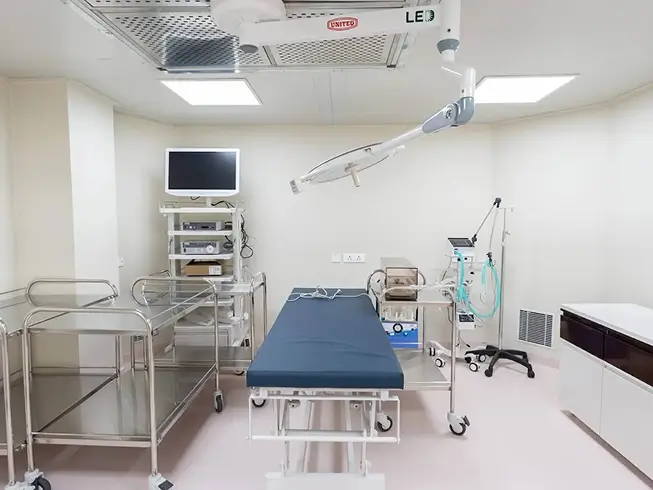
Visit our IVF Centre in Panipokhari, Kathmandu today!
Indira IVF, 3rd Floor, Adjacent to Global IME Bank, IME Complex, Panipokhari, Kathmandu-03, Nepal - 44600

Advanced Fertility Treatments with State-of-the-Art Technology
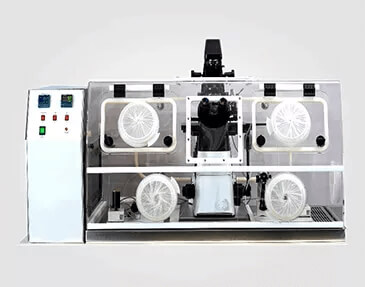
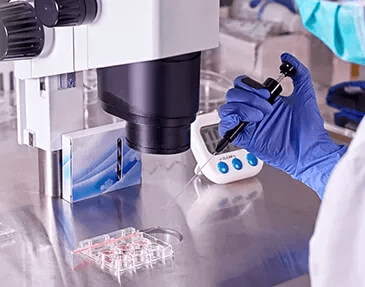
Closed Working Chambers Technology
Non-Invasive Preimplantation Genetic Testing (NIPGTA)
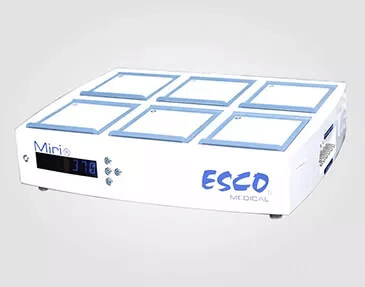
Advanced Incubators
Microfluidic Sperm Sorter Technique
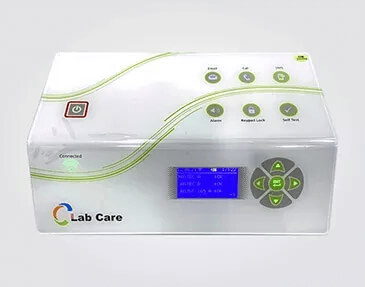
24*7 Monitoring System
World-class laboratories