
 015971265




Introduction
Cryopreservation is an advanced fertility technique used to preserve eggs, sperm, or embryos at ultra-low temperatures for future use. This process involves freezing reproductive cells or tissues without damaging their quality, allowing individuals and couples to plan their pregnancy at the right time. Cryopreservation plays a crucial role in IVF treatments, fertility preservation before medical procedures, and family planning for those who wish to delay parenthood. It provides flexibility, security, and better chances of conception in the future.
When is Cryopreservation recommended?
Cryopreservation (Egg Freezing) is recommended in several situations. Firstly, it is recommended for individuals undergoing fertility treatments such as in vitro fertilization (IVF). It allows for the preservation of excess embryos for future use, increasing the chances of a successful pregnancy without the need for additional stimulation and egg retrieval procedures. Secondly, cryopreservation is advised for individuals facing medical treatments that may negatively affect their fertility, such as chemotherapy or radiation therapy. Preserving eggs before starting treatment can preserve the possibility of having biological children in the future. Lastly, cryopreservation is recommended for research purposes, enabling the long-term storage of valuable biological samples like stem cells or tissues for scientific studies and medical advancements.
What are the benefits of Cryopreservation?
Cryopreservation provides several advantages, including the preservation of fertility options during medical treatments, storage of high-quality embryos for future use, flexible family planning, and increased chances of pregnancy through cryopreserved embryos' utilisation.
What is Cryopreservation procedure?
The egg freezing process (oocyte preservation) begins with ovarian stimulation, where fertility medications are used to stimulate the ovaries to produce multiple eggs. The eggs are then retrieved through a minimally invasive procedure called egg retrieval. The retrieved eggs are carefully frozen using either the slow freezing or vitrification method. These frozen eggs can be stored for an extended period until they are thawed and used for in vitro fertilisation (IVF) in the future, offering women the opportunity to preserve their fertility.
What are the risks and complications of Cryopreservation?
Cryopreservation is a safe procedure with minimal risks. While there is a small chance of damage during the freezing or thawing process, the skilled fertility experts and advanced technology at Indira IVF Centre in Nepal minimise these risks through precise protocols.
What is the success rate of Cryopreservation?
The success rate of cryopreservation can vary depending on the type of biological material being preserved and the specific techniques employed. Generally, cryopreservation has proven to be quite successful. For example, in the case of sperm cryopreservation, the success rates are typically high, with thawed samples retaining good motility and viability. Similarly, the cryopreservation of embryos has shown high success rates, with the ability to achieve pregnancy and live births from thawed embryos. However, it is important to note that success rates can also depend on factors such as the age and overall health of the individual at the time of cryopreservation. Consultation with a medical professional experienced in cryopreservation can provide more specific information based on individual circumstances. To know about our success rate of Fertility Treatment with Egg Freezing in Nepal, visit our centre in Kathmandu today!
Frequently Asked Questions
Is Cryopreservation testing painful?

No, Cryopreservation testing is a generally painless and minimally invasive procedure.
Can I use cryopreserved embryos multiple times?
Yes, cryopreserved embryos can be used multiple times, increasing the chances of a successful pregnancy.
How long can cryopreserved samples be stored?
Cryopreserved samples can be stored for extended periods, ensuring long-term fertility preservation.
Are there any alternatives to Cryopreservation?
Cryopreservation is the most effective method for preserving fertility, but alternative options may be available depending on individual circumstances.
What is Egg Freezing Cost in Nepal?
Cryopreservation Cost in Nepal can vary depending on several factors, including the specific clinic or fertility center, the individual's unique circumstances, and any additional services or procedures required. It is best to consult fertility clinics for specific pricing information.
Why Choose Indira IVF for Cryopreservation?
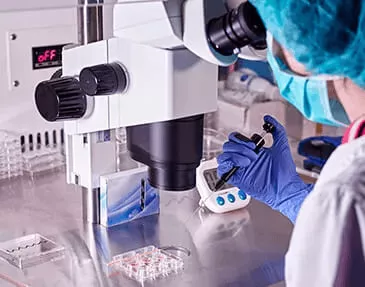
Expertise and Experience
Expertise & extensive experience in Cryopreservation, ensuring optimal outcomes.

State-of-the-Art Facilities
Advanced facilities and cutting-edge technologies, maintaining the highest quality standards.

Comprehensive Care & Support
Personalized care and convenient storage options.
Meet our Fertility Experts



Visit our IVF Centre in Panipokhari, Kathmandu today!
Indira IVF, 3rd Floor, Adjacent to Global IME Bank, IME Complex, Panipokhari, Kathmandu-03, Nepal - 44600

Advanced Fertility Treatments with State-of-the-Art Technology
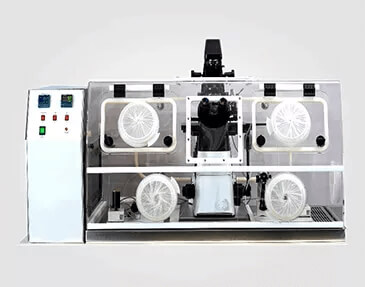
Closed Working Chambers Technology
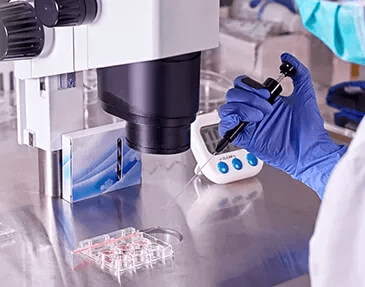
Non-Invasive Preimplantation Genetic Testing (NIPGTA)
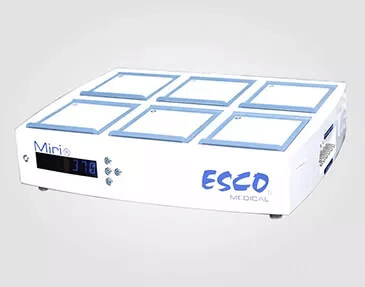
Advanced Incubators
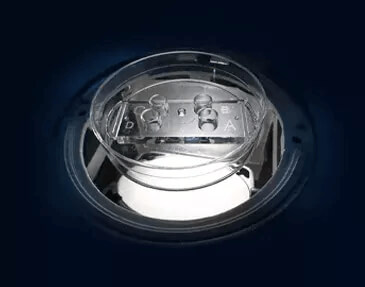
Microfluidic Sperm Sorter Technique
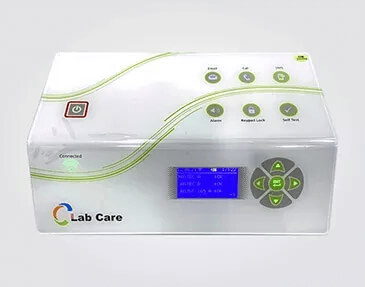
24*7 Monitoring System
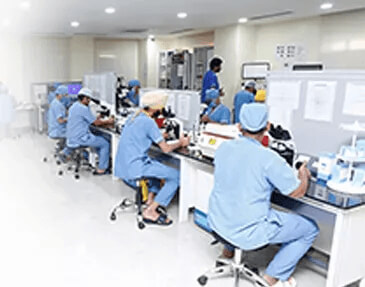
World-class laboratories