
 015971265




Overview
The Sperm DNA Fragmentation Index is a very instrumental diagnostic test in determining the male fertility potential, particularly when unexplained infertility cases, recurring IVF/ICSI failure, or frequent miscarriages are involved. Here, we will cover the significance of the sperm DNA fragmentation index DFI test, its procedure, and its role in the treatment of male infertility.
Introduction
Infertility is a growing concern among couples worldwide, with male infertility accounting for almost 50% of all infertility cases. Sperm count, sperm motility, and health are among the genetic factors in human males commonly used as fertility indicators. The sperm DNA fragmentation index (DFI) test is a sophisticated assessment of sperm health that detects DNA damage that may affect conception or embryo development.
The sperm DFI test substantially helps couples with unexplained infertility, recurring pregnancy loss or failed IVF cycles, offering their doctors accurate information on the health of sperm, which can further assist them in developing more effective treatment programs.
What is the Sperm DNA Fragmentation Index (DFI) Test?
Sperm DNA Fragmentation Index is a percentage measure of the number of sperm in a sample that are carrying a break or damage in their DNA strands. As opposed to the apparent sperm structure (head, midpiece, and tail), DNA fragmentation is a latent molecular damage.
In simple terms, it assists in answering one major question: Can your sperm be considered healthy at the DNA level to result in a successful pregnancy?
Generally speaking, a low Sperm DNA Fragmentation Index means that most of the sperm in the sample contain intact DNA, increasing the likelihood of a natural conception or a successful outcome with assisted reproductive technology (ART) like IVF. On the other hand, poor fertility, losses, and even inability to cycle on ART are associated with high DFI.
Why Should You Take the DFI Test?
-
For Couples Facing Infertility
In some cases, conventional semen testing can indicate normalcy, but conception can still be problematic. The sperm DNA damage test assists in the identification of underlying fertility problems in men that standard tests cannot reveal. The detection of this DNA damage allows the fertility specialists to administer specific treatments or select the most effective treatment strategy.
-
For Recurrent Pregnancy Loss
High sperm DNA fragmentation has been linked to:
- Increased risk of miscarriage
- Poor embryo development
- Lower implantation and pregnancy rates
DFI can also be used to identify when the sperm DNA damage is causing the recurring losses so that the couples can take corrective actions.
-
For IVF/ICSI Failures
In the event of IVF/ICSI cycles failing despite the quality of the eggs, the DNA damage in sperm could be the cause. DFI test assists IVF specialists in detecting such an issue when it is still in its early stages and implementing measures like sperm selection techniques or highly sophisticated assisted reproductive technology to enhance success rates.
Who Needs This Test?
When standard semen analysis is unable to identify the root cause of infertility issues in men or couples, the sperm DNA fragmentation index (DFI) test is the next step. You can be recommended to take the sperm DNA damage test when:
- You and your partner are facing unexplained infertility despite normal reports.
- IVF or IUI have failed on several occasions.
- You have a history of recurrent miscarriages
- You are over 40 years of age, as sperm DNA quality declines with age
- You have a varicocele, an infection, or a hormonal imbalance.
- Risks associated with your lifestyle include things like stress, alcohol, smoking, and obesity.
- You have been exposed to toxins, radiation or high temperatures.
How is the DFI Test Done?
-
Step 1: Consultation with Fertility Specialist:
The first person you will meet is a fertility doctor who will examine your medical and reproductive history to advise whether this male infertility test is necessary or not.
-
Step 2: Semen Sample Collection:
A semen sample is collected after 2–5 days of abstinence. The sample can be provided at the clinic or laboratory in a sterile container.
-
Step 3: Advanced Laboratory Testing:
A team of trained embryologists will perform a thorough analysis of the semen sample by subjecting it to a series of advanced diagnostic tests to measure sperm DNA fragmentation. The COMET, TUNEL, and SCSA (Sperm Chromatin Structure Assay) assays are among the tests that will be performed on the collected sperm. To a certain degree, these techniques can measure and expose all of the sperm DNA damage.
-
Step 4: Report and Interpretation:
A comprehensive report showing the percentage of fragmented sperm DNA is released by the lab. The doctor, after reviewing your DFI value, will coordinate with you on the fertility potential and advise you on the suitable treatment or the next step.
Understanding Your Results
The result of the sperm DNA fragmentation index (DFI) test indicates the portion of complete DNA damage in the sperm. This percentage is used to assess a person's reproductive potential and to guide fertility specialists' optimal course of action.
Here’s how your DFI values are interpreted:
- DFI < 15%: Excellent: It is a good sign of healthy sperm DNA and a high probability of natural conception.
- DFI 15–25%: Moderate: Empowers mildly damaged DNA; changes in lifestyle and antioxidants can help to increase fertility.
- DFI 25–30%: High: Suggests that the sperm DNA fragmentation is at a high level, which may lower the chances of fertilisation and the quality of the embryo.
- DFI > 30%: Is usually associated with infertility, miscarriages and unsuccessful IVF/ICSI.
Your doctor will interpret these results and will inform you of the lifestyle, medical, or ART-based therapy to enhance the health of the sperm and the success of conception.
Treatment & Next Steps
-
Lifestyle and Diet Changes:
Some of the lifestyle habits have a direct effect on sperm health. Positive modifications may greatly reduce DNA fragmentation and improve sperm quality.
- Quit smoking and limit alcohol consumption.
- Maintain a healthy weight through regular exercise.
- Consume foods rich in antioxidants, such as nuts, leafy greens, and berries.
- De-stress with yoga, meditation, and deep breathing.
- Avoid prolonged exposure to heat, radiation, or environmental toxins.
-
Medical Treatments:
In other situations, surgical or medical procedures are necessary:
- Hormonal correction when testosterone levels are determined as either over- or under.
- Surgery to repair a varicocele to enhance testicular functioning.
- Prescription of antioxidant therapy in the form of supplements to decrease oxidative stress.
-
Assisted Reproductive Options:
In case the DNA fragmentation value does not decrease even after intervention, fertility specialists might prescribe more sophisticated reproductive methods like:
- ICSI (Intracytoplasmic Sperm Injection)
- PICSI (Physiological ICSI) to choose mature and healthy sperm.
- Testicular sperm extraction (TESE) is used to retrieve higher-quality sperm directly from the testes.
The techniques will assist in addressing fertility barriers caused by DNA damage and enhance the success rates of IVF.
Cost of Sperm DNA Fragmentation Test
The cost of the DNA fragmentation index can vary depending on the clinic, the technology used, and other fertility services prescribed. Given that the prices vary depending on where and in every case, it is better to ask your fertility specialist about the price to know specific details.
Call Indira IVF in Nepal to learn more about DFI testing and to reserve an appointment with a fertility specialist.
Why Choose Indira IVF Clinic for Sperm DFI Test?
The correct selection of a fertility centre is key to proper diagnosis and effective treatment. At our clinic, one will find an ideal combination of advanced technology, skilled health professionals, and a caring nature, so that every patient receives the best possible fertility advice.
Here’s why couples trust us for the Sperm DNA Fragmentation Index (DFI) Test:
- Expert Fertility Specialists: Our staff is highly experienced in the diagnosis and treatment of complicated cases in men with infertility.
- Cutting-Edge Laboratory Facilities: The state-of-the-art laboratory facilities are furnished with advanced fertility testing protocols, including SCSA, TUNEL, and COMET testing protocols.
- Reliable and Transparent Reporting: All reports are thoroughly reviewed and discussed with the patient in plain terms.
- Personalised Fertility Planning: According to your results in the DFI, the doctors will propose to you the best treatment options.
- Confidential and Supportive Care: We ensure complete privacy, sensitivity, and emotional support throughout your journey.
Conclusion
The sperm DNA fragmentation index (DFI) test is among the most reliable and sophisticated methods for assessing male fertility. It offers the important knowledge that is not obtained through the normal semenology tests and assists in the identification of latent causes of infertility, miscarriages, and unsuccessful IVF procedures. Sperm DNA fragmentation treatment is life-changing for couples who wish to create their families. It allows fertility experts to customise therapies that increase conception rates by a large margin.
If you want to take the next step to become a parent, book your sperm DNA fragmentation index DFI test with Indira IVF in Nepal.
Frequently Asked Questions
What does a high DFI mean?

A high DFI shows that there is more DNA damage in sperm, and this could reduce fertilisation and pregnancy.
Is the DFI test different from semen analysis?
Yes. Though semen analysis counts, motility, and shape, DFI tests assess sperm DNA integrity.
Can DFI be improved naturally?
Yes, by eating well, being physically active, stress-free and avoiding smoking or drinking.
How long does the test take?
The procedure requires a couple of hours between sample collection and analysis. The reports are generally ready in a few days.
Is the test painful or risky?
No, it is a non-invasive, simple test that entails collecting semen and analysing it in a laboratory.
Can I do IVF if my DFI is high?
Yes, though your doctor might suggest more sophisticated sperm selection techniques, such as ICSI or PICSI, to enhance outcomes.
What is the cost of the sperm DNA fragmentation test?
The DNA fragmentation index costs are set based on clinic amenities and testing methods. You had better call your clinic to get the correct information.
Meet our Fertility Experts



Our Clinic
From tests and scans to the entire treatment process, Indira IVF provides all fertility services under 1 roof and has the latest facilities for your comfort and convenience.

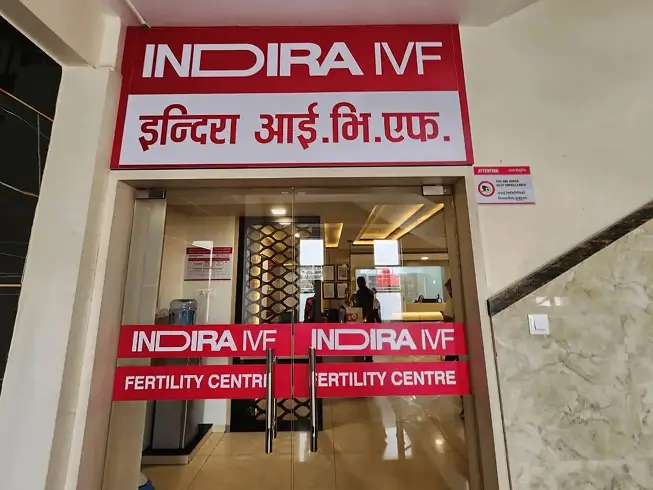


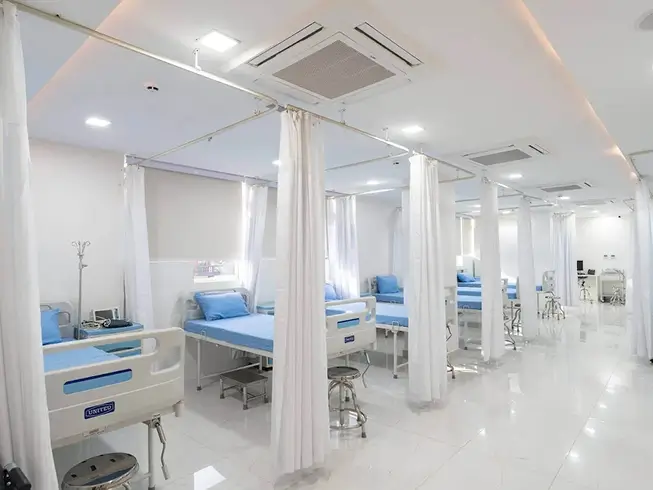
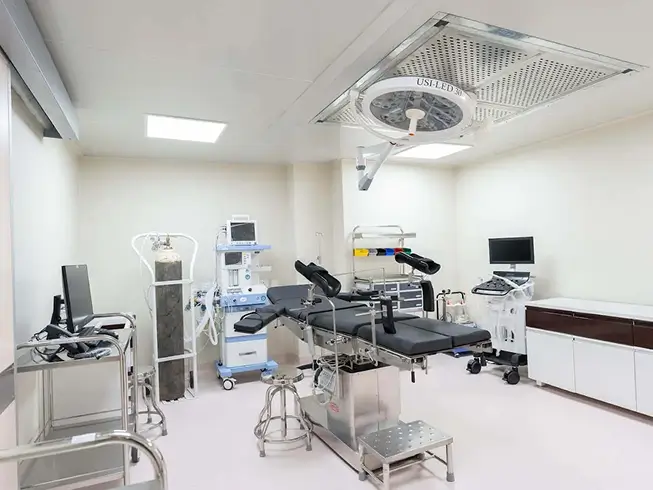


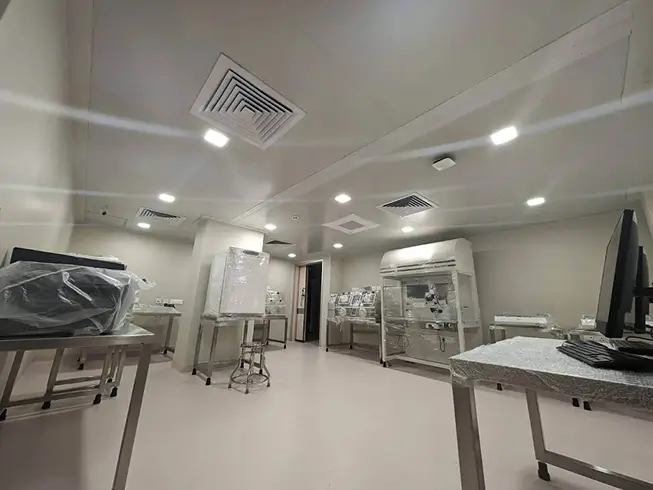


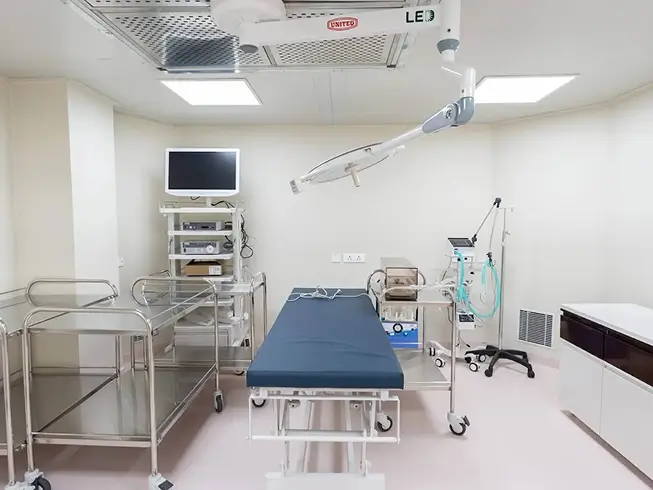
Visit our IVF Centre in Panipokhari, Kathmandu today!
Indira IVF, 3rd Floor, Adjacent to Global IME Bank, IME Complex, Panipokhari, Kathmandu-03, Nepal - 44600

Advanced Fertility Treatments with State-of-the-Art Technology
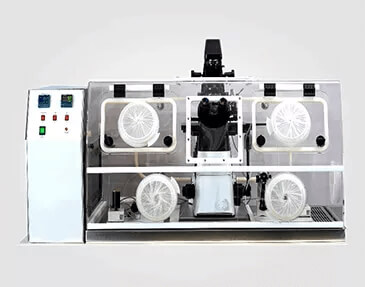
Closed Working Chambers Technology
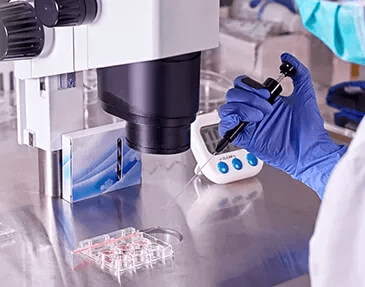
Non-Invasive Preimplantation Genetic Testing (NIPGTA)
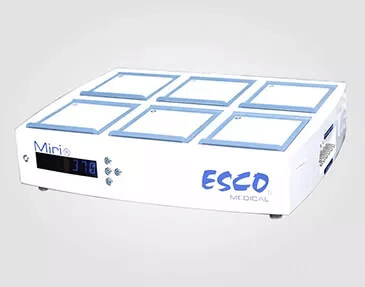
Advanced Incubators
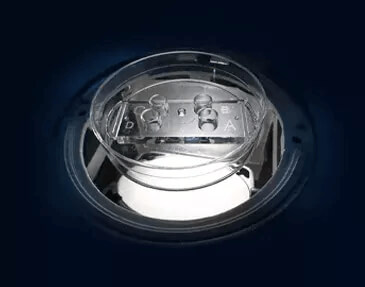
Microfluidic Sperm Sorter Technique
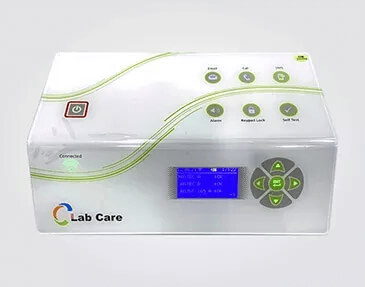
24*7 Monitoring System
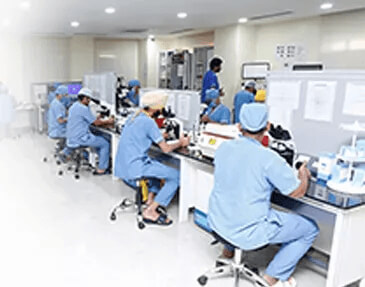
World-class laboratories