
 015971265




Overview
Artificial Intelligence (AI) is changing the competitive landscape of fertility treatments by providing the most reliable and consistent way of selecting embryos. The embryologist can choose the best embryo for transfer using artificial intelligence, which can even forecast the likelihood that an embryo will develop to the point of having a foetal heart. The use of this technology will not only facilitate higher fertility induction success rates but will also eliminate a lot of uncertainty for couples and allow them to feel more confident in the process of moving toward parenthood. In Nepal, AI-based IVF is a significant advancement, offering patients access to enhanced, smarter, safer, and non-invasive embryo testing strategies.
Introduction
Using artificial intelligence embryo selection is revolutionising the way we perform In Vitro Fertilisation (IVF), because it is bringing precision and reliability to one of the most dangerous points of the process. In the past, embryologists used images to assess embryos before relying on their knowledge and experience. This approach was helpful, but it was very subjective, included presumptions, and had little predictive power.
Today, AI in IVF uses intelligent algorithms to provide increasingly detailed assessments of embryos, enabling clinicians to examine the genetics and allow the AI to make a data-based prediction of the embryo(s) and their potential for implantation. Ultimately, all of this new technology will allow couples to proceed with more confidence. It may increase success rates in IVF with AI technology, reduce the number of cycles they may need, and improve the emotional burden that goes along with subsequent cycles of failed IVF.
What Is AI-Based Embryo Selection?
Artificial intelligence embryo selection involves the use of machine learning and artificial intelligence tools to assess embryos generated during IVF. In place of conventional grading being used, these systems analyse thousands of embryo images and videos to detect subtle characteristics of morphometric and biological development that the naked eye may not detect.
AI-based embryo grading is distinct from conventional methods - it employs deep learning algorithms that have been trained on a full repository of all previous IVF experiences. AI has the ability to score embryos using an embryo ranking algorithm and subsequently enables embryologists to select the embryo with the greatest likelihood of implantation; however, embryologists must evaluate AI´s recommendations, update software, and still must monitor embryos. Overall, all practitioners continue to put patient safety and patient outcomes first.
When Should You Consider AI Embryo Selection?
The use of artificial intelligence to select embryos will likely evolve into an advanced approach to optimise IVF outcomes. To reduce IVF failures, doctors can select embryos with the highest potential for implantation based on the assessment of embryo photos created using AI algorithms. You may consider it in the following situations:
- Repeated IVF Failures: If you have transferred multiple embryos and have not achieved a pregnancy, you may enjoy the benefits of embryo selection using AI, as it improves embryo selection and success.
- Multiple Embryos Available: In cases where many embryos are created, AI assists in selecting and ranking the highest quality embryos.
- Advanced Maternal Age: AI helps make accurate selections of embryos where egg quality is impacted by increasing maternal age.
- Elective Single Embryo Transfer (eSET): AI provides doctors with assurance that the single embryo they select has the highest likelihood of success, thereby reducing the risks of multiple pregnancy.
- Non-invasive Preference: AI offers promise for patients who wish to avoid embryo biopsy. In this regard, AI can be viewed as a way of providing non-invasive embryo testing.
AI, ultimately, enhances IVF as a more precise, patient-friendly experience, while also improving chances for success.
How AI Selects the Best Embryos
Artificial intelligence embryo selection combines the latest reproductive imaging technology with data algorithms that can help improve IVF results. Here is how this works.
- Time-lapse Imaging: Each embryo is under constant observation over the many days of growth, and all observations are recorded as the embryo grows.
- Morphokinetic Analysis: AI in IVF monitors detailed measurements of the timing of cell division, other specific timings related to developmental events, and the overall growth of the embryo to quantify the embryo's potential.
- Image Pattern Recognition: AI identifies subtle structural characteristics that the naked eye cannot see to predict embryo quality.
- Implantation Prediction Model: The algorithms that predict the likelihood of implantation for embryos are developed using thousands of IVF outcomes.
- Final Embryologist Review: The AI imaging and analyses are confirmed and validated by trained embryologists before an embryo transfer decision.
The AI-assisted embryo evaluation process enables non-invasive assessment of embryos, leveraging AI to enhance predictability and outcomes with human insight.
How Long Does AI Evaluation Take?
The embryo evaluation with AI is simultaneous and quick. The embryo evaluation process begins once the embryos reach the blastocyst stage, usually on day 5-6 of culture. There are no delays, and we can schedule embryo transfers on time because the analysis doesn't interfere with any crucial schedules. During the same time when embryo culture normally occurs, we can take the time-lapse images and upload them to the cloud-based platform or lab software for analysis. Evaluation and analysis are done in hours using either cloud-based solutions or in-house AI programs.
Cost of AI Embryo Selection in Nepal
The costs associated with AI-powered IVF in Nepal usually include time-lapse imaging, software, analysis of donors and expert embryologist review. This is a feature of the standard IVF cycle as an add-on choice; many couples find this kind of evolving technology attractive, and increased precision in embryo selection and implantation viability. AI in IVF is becoming more and more popular among people who want to increase their chances of successfully implanting the most viable embryo as knowledge grows.
What Happens After AI-Based Selection?
After performing an embryo grading with artificial intelligence (AI), the team will use the first-ranked embryo for transfer, either in a fresh or frozen transfer cycle, based on the treatment plan outlined. Any remaining high-quality embryos will be safely frozen to potentially give couples or patients extra opportunities for future use without repeating the complete cycle with stimulation. After transfer of the embryo, patients will continue with their routine post-transfer medications and monitoring and are scheduled for pregnancy testing as outlined in the treatment plan. At Indira IVF, AI in IVF is a seamless process for the patient, ensuring accurate embryo selection while also maximising efficiency.
Conclusion
Artificial Intelligence in embryo selection is reshaping the future of IVF with greater accuracy, improved pregnancy outcomes, and enhanced patient confidence. By enabling a deeper analysis of embryo development that goes beyond human observation, AI empowers embryologists to make better-informed decisions during treatment. As this technology continues to advance in Nepal, it opens new doors for couples seeking safe, effective, and more predictable fertility solutions — bringing them one step closer to achieving their dream of parenthood.
Frequently Asked Questions
Is AI embryo selection better than traditional grading?

Yes, AI enables objective, data-driven selection and analysis with less subjectivity than the traditional grading performed by those evaluating embryos.
Does AI completely replace the embryologist?
No, AI will not replace embryologists. AI will not replace embryologists but will provide data-driven insights in conjunction with the decisions ultimately made and validated by skilled people, where patient safety and successful patient outcomes are the greatest objectives.
Is the process safe for embryos?
Yes, AI-based selection of embryos for transfer is safe; it is based on imaging and algorithms, which enable some degree of non-invasive assessment that does not harm embryos.
Can AI be used with frozen embryos?
Yes, AI can evaluate frozen embryos once they are thawed. Embryology uses the same techniques and algorithms, which help embryologists select the best embryos with improved accuracy for transfer.
What success rates are seen with AI-selected embryos?
It has been found that the embryos selected with the help of AI have a higher implantation and pregnancy rate; however, there are certain limitations in terms of variability among people.
Is AI used in all IVF clinics in Nepal?
AI is not used in every clinic in Nepal. It is primarily offered in sophisticated fertility centres, like Indira IVF, combining modern technologies to allow better selection of embryos and better results.
Do I still need PGT if I use AI embryo selection?
PGT and embryo selection using AI are two distinct processes, although they seem similar. AI embryo selection is used to select the embryo that is most viable, and PGT provides the status of selection based on one of a few known genetic conditions.
Meet our Fertility Experts



Our Clinic
From tests and scans to the entire treatment process, Indira IVF provides all fertility services under 1 roof and has the latest facilities for your comfort and convenience.





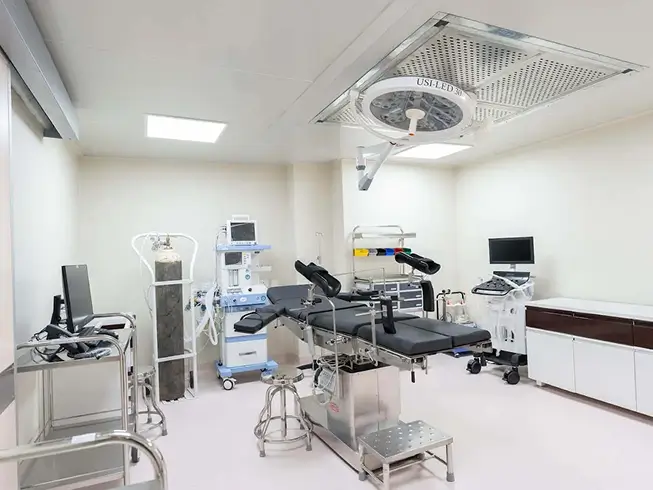


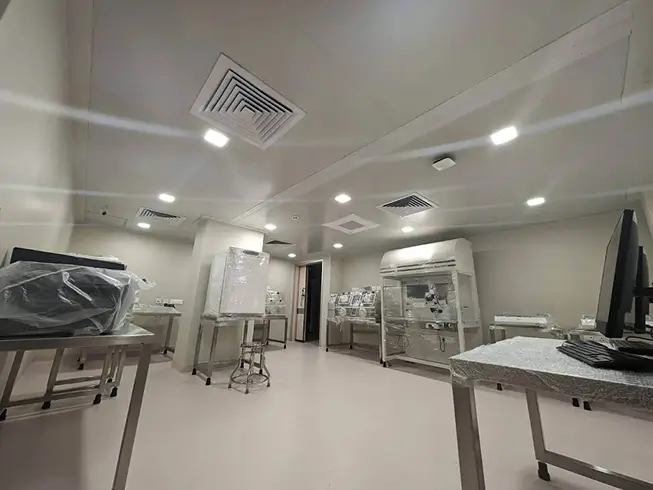


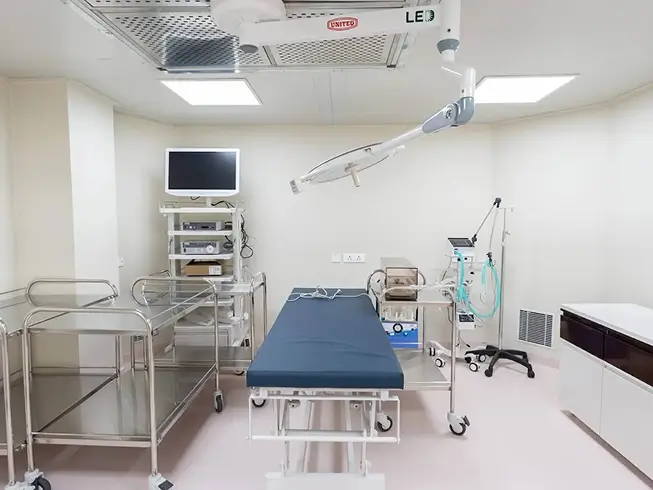
Visit our IVF Centre in Panipokhari, Kathmandu today!
Indira IVF, 3rd Floor, Adjacent to Global IME Bank, IME Complex, Panipokhari, Kathmandu-03, Nepal - 44600

Advanced Fertility Treatments with State-of-the-Art Technology
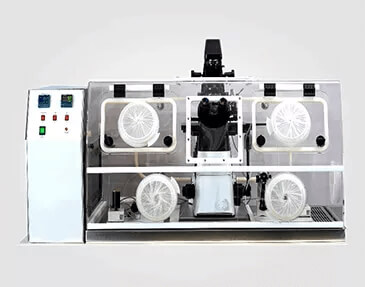
Closed Working Chambers Technology
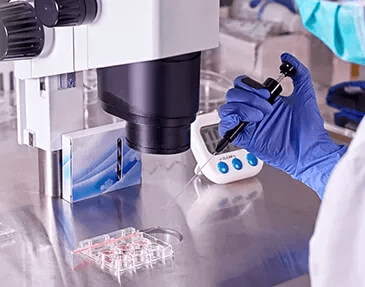
Non-Invasive Preimplantation Genetic Testing (NIPGTA)
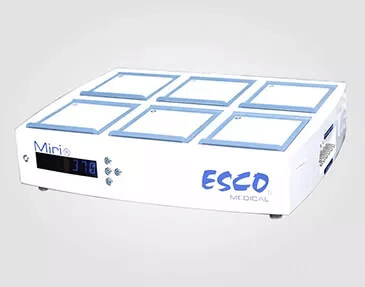
Advanced Incubators
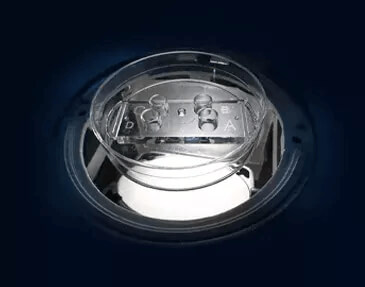
Microfluidic Sperm Sorter Technique
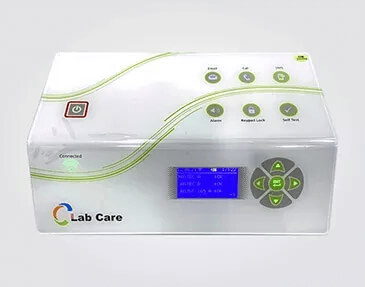
24*7 Monitoring System
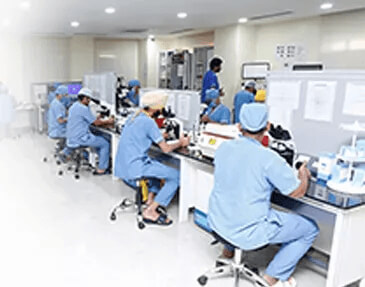
World-class laboratories