
 015971265




Overview
This article explores Preimplantation Genetic Testing (PGT) as a precise technique for identifying genetic abnormalities in embryos before implantation during an IVF procedure. It outlines the types of PGT, their clinical applications, when to opt for this testing, and the detailed process involved. The article discusses the procedure, benefits, and limitations of PGT, highlighting its role in improving IVF success and preventing inherited genetic disorders.
Introduction
Preimplantation Genetic Testing (PGT) is a very advanced procedure utilised during IVF to evaluate embryos for genetic disease before transferring them. PGT or embryo genetic testing enables fertility doctors to choose the healthiest embryos, which dramatically increases implantation rates and lowers the risk of inherited disease. Genetic screening in IVF is reassuring to couples with a family history of inherited illness, women above the reproductive age group, or in the event of recurrent IVF failure. In Nepal, PGT is used on a large scale as a part of IVF to prevent genetic disease in IVF and enhance the chances of a healthy conception.
What is Preimplantation Genetic Testing?
Preimplantation Genetic Testing, or PGT, is a laboratory procedure by which IVF embryos are screened for genetic or chromosomal disorders through genetic testing before being implanted into the womb. The process is achieved by aspirating gently some of the cells from the developing embryo, usually on day 5 or day 6 of the blastocyst cycle, without harming its growth. These cells are examined using sophisticated molecular methods such as Next-Generation Sequencing (NGS) or Polymerase Chain Reaction (PCR).
PGT promises to test for inherited diseases like cystic fibrosis or chromosomal abnormalities like Down syndrome. They are predominantly PGT-A (aneuploidy), PGT-M (single-gene disease), and PGT-SR (for structural rearrangements). Incorporating genetic screening IVF into the treatment protocol means that couples with genetic risk, recurrent failed IVF, or advanced age at the maternal level can increase the possibility of a successful and healthy pregnancy.
When to Opt for Preimplantation Genetic Testing?
- Repeatedly Failed IVF: PGT aids in distinguishing those embryos that possess the most promising implantation potential (providing a fairer chance of success) from others. This will help those with repeated failed IVF cycles.
- Recurrent Miscarriage: Through testing embryos for chromosomal abnormalities, specialists can identify the genetic aetiology of recurrent miscarriage, thereby allowing better embryo selection.
- Advanced Maternal Age (>35): Older ladies carry eggs with a higher risk of chromosomal abnormalities. PGT-A detects them and, by doing so, allows for a normal pregnancy.
- Family History of Genetic Disorders: PGT-M detects monogenic disorders such as thalassemia or cystic fibrosis so that they are not passed to the child.
- Sex-linked Genetic Disorders: PGT-SR identifies embryos with sex-linked inherited disorders, offering hope to families and minimising the risk of disease.
Types of PGT Used in IVF
- PGT-A (Aneuploidy): Tests embryos for extra or absent chromosomes. Aneuploidy is the leading cause of failed implantation, miscarriage, and congenital defects such as Down syndrome. PGT-A enhances the chances of successful implantation and avoids the possibility of a failed pregnancy by choosing chromosomally normal embryos. Recommended for women of advanced maternal age, couples with recurrent miscarriage, or recurrent IVF failure.
- PGT-M (Monogenic Disorders): Tests for single-gene conditions like Huntington's, cystic fibrosis, or Tay-Sachs. This means IVF picks embryos that don't inherit the disease, so that it is not passed on.
- PGT-SR (Structural Rearrangements): Used in cases of balanced chromosomal translocation or inversion carriers who are otherwise healthy. Although carriers are typically healthy, the rearrangements can result in unbalanced embryos. PGT-SR enables structurally normal embryos to be selected for transfer.
- Comprehensive Chromosome Screening (CCS): Techniques like array comparative genomic hybridisation (aCGH) or NGS test all 24 pairs of chromosomes and create a comprehensive genetic profile. This supports safer embryo selection and improves IVF outcomes.
- Combined PGT Options: Both PGT-A and PGT-M may be recommended if there is a family history or increased genetic risk. This combined approach supports choosing the healthiest embryos and future family planning.
How Is PGT Done?
-
Starting of IVF Cycle:
The eggs are stimulated with the help of fertility medications and retrieved from the ovaries very gently. They are then fertilised with sperm in the laboratory through conventional IVF or ICSI to culture embryos as part of genetic testing of IVF. This is the initial step towards accurate embryo genetic testing.
-
Embryo Culture:
Embryos are cultured in highly controlled incubators until the blastocyst stage (day 5–6). This facilitates better evaluation during the biopsy and enhances prospects for the selection of viable embryos for PGT.
-
Biopsy:
A few of the trophectoderm cells (the ones destined for the placenta) are taken out gently using a precise laser. The inner cell mass, the one that develops into the baby, is left untouched. Hence, the growth of the embryo is unrestricted, and protection is ensured during genetic screening through IVF.
-
Genetic Analysis:
These recovered cells undergo advanced molecular methods like NGS or PCR. These detect chromosomal abnormalities (PGT-A), monogenic conditions (PGT-M), and structural rearrangements (PGT-SR) to report a whole embryo genetic test.
-
Embryo Selection:
According to the genetic findings, only surviving embryos are selected to freeze and transfer later. This method prevents IVF-related genetic disease and enhances subsequent frozen embryo transfer (FET) cycle implantation rates, hence providing couples with a better prospect of a normal pregnancy with IVF and genetic screening.
Cost of PGT in Nepal
The Preimplantation Genetic Testing (PGT) cost in Nepal depends on the type of PGT (PGT-A, PGT-M or PGT-SR) and the laboratory's technology and number of examined embryos. Many fertility centres provide IVF with genetic testing packages, simplifying both care and professional counselling to interpret results.
How Long Does PGT Take?
Embryo genetic testing is a delicate procedure that takes 5–7 days longer than a regular IVF cycle. After a day-5 or day-6 biopsy, the cells removed are tested in the laboratory thoroughly with the help of advanced methods like NGS or PCR. The reports are available within a week. Meanwhile, the embryos are frozen (vitrified) very gently to maintain their viability and quality. Once embryos with good genetic composition are selected, transfer is planned in the subsequent cycle as an FET, keeping the best practice of PGT in mind to obtain the highest probability of implantation.
What Comes Next After PGT?
After the results of PGT are ready, embryos identified to be chromosomally normal or not seen to have the genetic mutations are selected for transfer.
Healthy embryos are frozen for future cycles if needed, and couples have more than one chance of pregnancy. Couples also receive extensive genetic counselling to interpret test results and decide on next steps. The clinical team subsequently plans a frozen embryo transfer (FET) after taking precautions by synchronising hormonal support along with uterine lining preparation to achieve optimal receptivity. This technique not only enhances implantation rates but also maximises the success of genetic screening in IVF, so that couples can hope for a healthy conception.
Conclusion
Preimplantation Genetic Testing (PGT) is the newest breakthrough in IVF, with genetic analysis maximising embryo selection success.
By diagnosing and replacing chromosomally normal or mutation-free embryos, PGT helps minimise miscarriage, reduce disease transmission, and attain maximal implantation rates. Especially useful for those couples with a prior genetic issue, recurrent IVF failure, or advanced maternal age, PGT in Nepal is an assured, evidence-based solution to avert genetic disease in IVF and considerably improve the chances of having a healthy child.
Frequently Asked Questions
Is PGT safe for embryos?

Yes. A biopsy takes a few cells of the trophectoderm off the outside layer of the embryo, which develop into the placenta. The inner cell mass (baby) is left intact, and the usual embryo development happens.
Can PGT guarantee a healthy baby?
No. Although PGT greatly reduces the risk of transferring chromosomally abnormal or mutation-carrying embryos, it can't ensure a healthy baby since other aspects, such as uterine health, come into play.
What is the difference between PGT-A and PGT-M?
PGT-A identifies aneuploidy (extra or missing chromosomes), which improves implantation and reduces the risk of miscarriage. PGT-M identifies specific single-gene mutations to avoid passing on known genetic diseases.
Does PGT reduce miscarriage risk?
Yes. The most common cause of early miscarriage is a chromosomal defect. Miscarriage or the chance of a subsequent unsuccessful pregnancy are reduced with the transfer of PGT-A-detected euploid embryos.
How accurate is the PGT diagnosis?
There is a very high accuracy of PGT with current NGS and PCR technology. Rare mosaicism or sampling limitation may bias the predictions, but prenatal testing during pregnancy is generally recommended for confirmation.
Can IVF be done without PGT?
Yes. Regular IVF can lead to pregnancy. The incorporation of embryo genetic screening is useful in choosing the embryos with the best possible genetic health, particularly useful in older age couples, failed IVF in repeated attempts, or those with an inherited risk.
Is embryo biopsy painful or risky?
Biopsy, when done by experienced embryologists in the guidance of a laser beam, is harmless, and embryos survive freezing/thawing cycles with acceptable viability.
Does PGT delay embryo transfer?
Yes. Embryos are biopsied and cryopreserved during testing. Transfer is usually planned in the subsequent cycle as a frozen embryo transfer (FET) for a maximum uterine receptivity.
Will PGT raise IVF cost significantly?
Yes, PGT involves laboratory work and biopsies, but the advantages — avoidance of birth defects and minimising unsuccessful IVF attempts — usually justify the added expense.
Meet our Fertility Experts



Our Clinic
From tests and scans to the entire treatment process, Indira IVF provides all fertility services under 1 roof and has the latest facilities for your comfort and convenience.

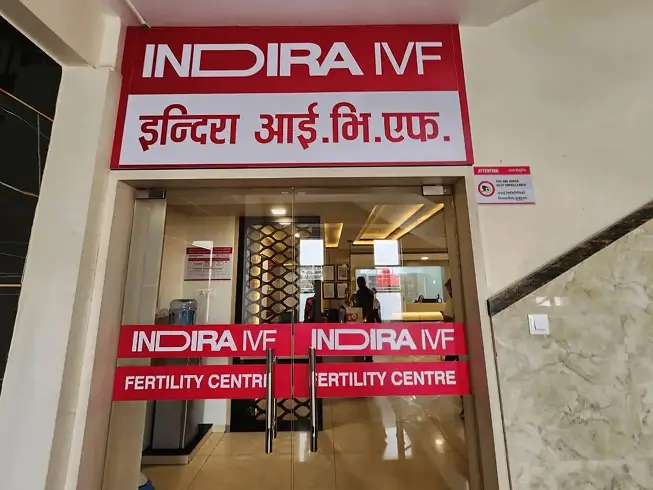


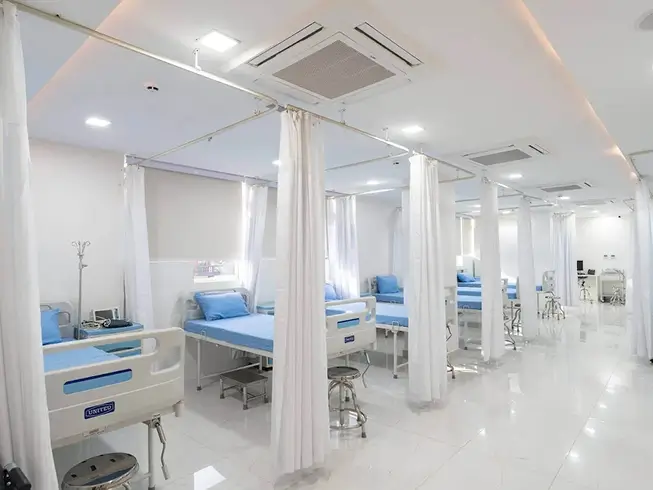
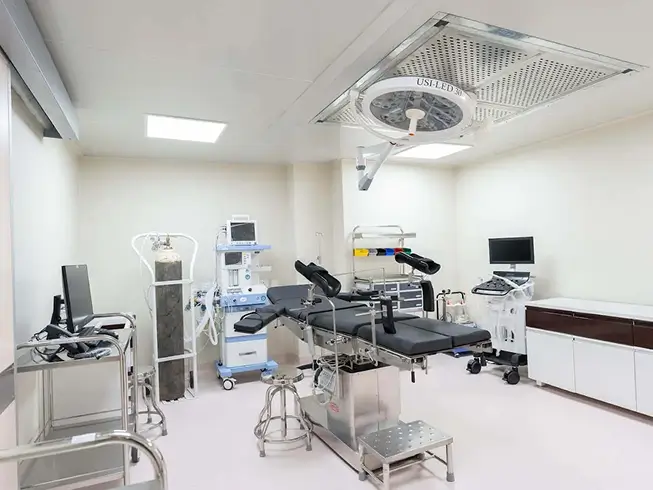


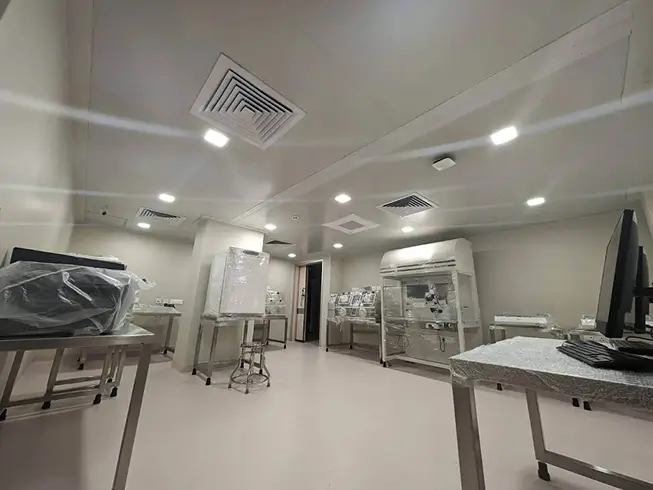


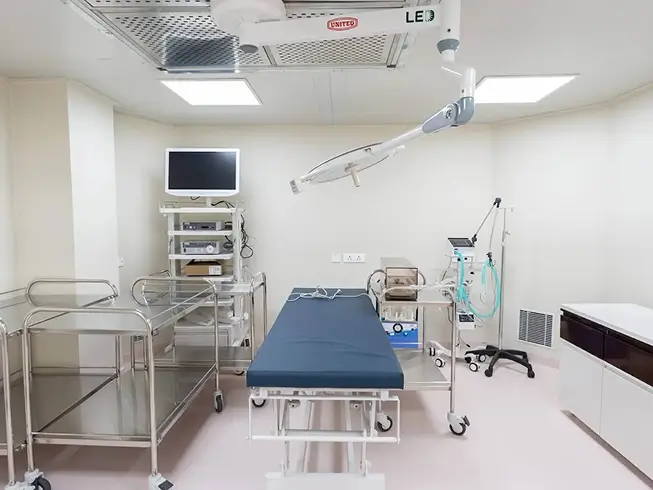
Visit our IVF Centre in Panipokhari, Kathmandu today!
Indira IVF, 3rd Floor, Adjacent to Global IME Bank, IME Complex, Panipokhari, Kathmandu-03, Nepal - 44600

Advanced Fertility Treatments with State-of-the-Art Technology
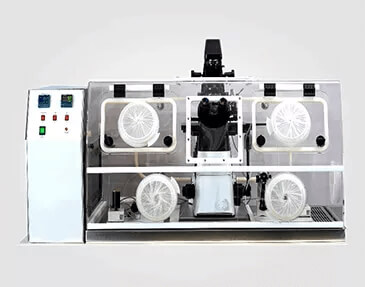
Closed Working Chambers Technology
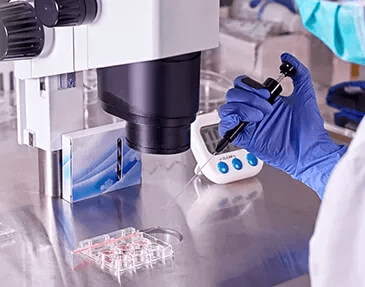
Non-Invasive Preimplantation Genetic Testing (NIPGTA)
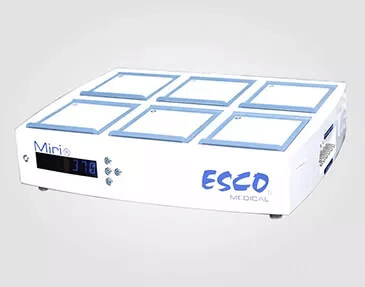
Advanced Incubators
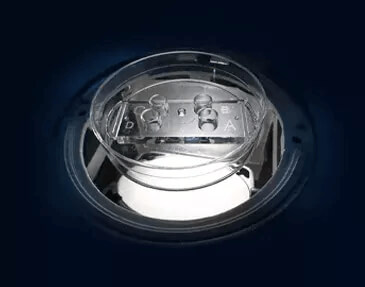
Microfluidic Sperm Sorter Technique
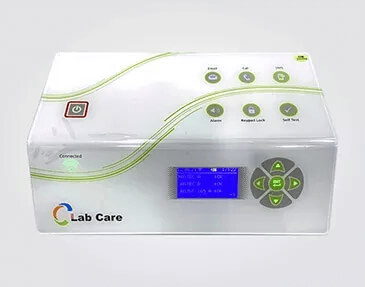
24*7 Monitoring System
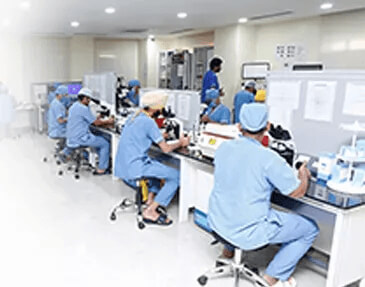
World-class laboratories