
 015971265



Overview
Becoming a parent is an ecstatic feeling, but the path to it is not always straight for everyone. For anyone with severe male infertility, doctors may suggest the assistance of a sperm donation program. Yet, since the selection of a sperm donor program is extremely personal and sensitive, privacy is of utmost concern. This is the reason why fertility clinics in Nepal adhere to stringent medical and ethical guidelines, ensuring both the recipient's and donor's anonymity.
But what exactly is this program? When should a couple consider it? And how does it work? Let’s get answers to all these questions and beyond in this article.
What Is a Sperm Donor Program?
A sperm donor program is a perfectly structured infertility aid, in which semen or sperm are collected from a healthy, anonymous sperm donor. Once collected, the semen is frozen and used in various assisted reproductive treatments, like Intrauterine insemination (IUI) or In Vitro Fertilisation (IVF). This is one of the most reliable and effective techniques for couples facing severe male infertility. To maintain the confidentiality of the donor, as well as the recipient, fertility clinics follow strict legal protection and anonymity protocols.
Apart from these ethical protocols, sperm donation in Nepal also follows strict medical guidelines. That is, these sperm donors undergo thorough medical, genetic, and psychological screening to ensure safety.
When Should You Consider Donor Sperm?
A sperm donor option is generally recommended when other typical fertility solutions fail to work. This situation can arise due to various reasons, some of which are:
- Azoospermia (No Sperm Count) - Azoospermia is a male infertility condition in which the sperm count in semen reaches zero, and cannot be treated even after various treatments and surgical methods.
- Severe Male Infertility - Some conditions can result in extremely low sperm count, poor quality and movement, or even unnatural shape. In such situations, natural or even assisted conception may prove to be difficult.
- Hereditary Disorders - Sperm donation can be an ideal choice for a couple with a history of disorders in their family. With this program, they can avoid the risks of inheriting the disorders in their child.
- Failed IVF with Partner's Sperm - In case of repeated IVF failure with the partner's sperm, a turn to donor sperm IVF can be a sure and more fruitful alternative.
Sperm Donor Screening Process
As mentioned above, all sperm donors go through a series of intensive medical screening procedures to guarantee the safety of the recipient and resultant offspring. This process typically includes:
-
Age and Lifestyle Criteria:
The first step of screening is choosing the donor. As the 21 to 35 years are considered the most fertile years, the donors are typically chosen from this age group. Also, certain lifestyle habits, such as smoking and drinking, can affect the quality of semen.
-
Psychological Assessment:
The donors are also tested for their mental and emotional stability to determine if they totally understand the implications of their choice.
-
Semen Analysis:
Once the age and mental condition of donors are confirmed, their semen is tested to check sperm count, sperm motility, and shape to confirm their fertility and potential to fertilise an egg.
-
Genetic Testing:
The screening also involves genetic testing to ensure that no hereditary diseases or chromosomal abnormalities are passed on to the next generation.
-
STI and Viral Screening:
Donors are tested for any sign of sexually transmitted diseases like syphilis, HIV, Hepatitis B and C to satisfy medical standards and safety.
Treatment Process Using Donor Sperm
The treatment process of a donor sperm program is not just about transferring donated sperm; it requires utmost care, medical expertise, and emotional support. Here is how these combine:
- Counselling and Consent - Before the commencement of the procedure, couples are thoroughly informed about the legal and psychological impact of the same. This helps them prepare and make decisions accordingly.
- Donor Matching - Once the couple is ready to proceed with this program, clinical matching is conducted to ensure that the sample taken from the sperm donor bank closely matches the physical and ethnic traits of the recipients.
- IUI or IVF Preparation - Along with getting the best donor, the recipient undergoes hormonal medications and other treatments to prepare her body for insemination (IUI) or embryo transfer (IVF).
- Sperm Thawing & Preparation - After the sperm from the donor are preserved with freezing, the selected sperm are thawed under favourable conditions to be used for fertilisation or insemination.
- Procedure and Pregnancy Test - Once the sperm are inseminated or fertilised, a pregnancy test is done after 14 days to confirm the result of the procedure.
How Long Does the Sperm Donor Process Take?
The duration for a complete sperm donor process, from first counselling to insemination, takes anywhere from 2 to 4 weeks. However, the total duration can vary largely based on the matching with the recipient’s menstrual cycle, time to prepare the ovaries to produce multiple eggs, and thawing the donor sperm for fertilisation and/or insemination. Yet, it is one of the fastest male infertility solutions, as most clinics use pre-screened & frozen sperm stored and quarantined in special units or sperm donor banks.
Sperm Donor Cost Nepal
The cost of a sperm donor program varies with various factors, which include the type of fertility treatment chosen (IVF or IUI), medications, and the expertise and facilities provided by a fertility clinic. This is why this program does not have a fixed price tag; rather, its cost depends on a case-by-case basis. Also, the overall cost of a donor sperm program generally includes the cost of the donor screening process, sperm freezing until the recipient is ready, the type of fertility treatment, etc.
What Happens After Donor Insemination?
The last and most crucial step after donor insemination is confirmation of pregnancy, which is done to test whether conception has occurred or not. This test is generally done two weeks before or after the sperm donor procedure. If not successful, doctors may suggest going for another cycle of IUI or IVF for better chances. And if successful, recipients will be provided support, guidance, and counselling for the next and most nervous, yet beautiful chapter of their life – parenthood.
Conclusion
Male infertility can be devastating for anyone, but with a specialised infertility solution like a sperm donor program, life can get easier. And now with advanced technologies, treatment protocols, and strict donor screening, the sperm donor program has become a more reliable procedure than ever. Apart from a medically accurate procedure, fertility clinics in Nepal follow strict protocols regarding the safety and dignity of not only the recipient but also the anonymous sperm donor. So, don’t wait any further to live your dream of becoming a parent, explore your options and consult a specialist fertility centre for personalised care.
Frequently Asked Questions
Is sperm donation anonymous and legal in Nepal?

Yes, it is legal and conducted under strict medical and ethical guidelines. Clinics must keep donor and recipient identities secret.
Do I get to meet or select my sperm donor?
No, donors are anonymous. Clinics match by physical characteristics, ethnicity, and health record.
In Nepal, are sperm donors compensated?
Donation is mostly voluntary, although some clinics offer to reimburse modest costs.
How many times can sperm be used by a donor?
Usage is limited to a specific number of families for safety and ethical reasons.
Is the child legally mine if I conceive using donor sperm?
Yes, the recipient is the legal parent. Donors have no claim over the child.
What is the success rate with donor sperm IUI or IVF?
Success is also reliant on the woman's age and health, but donor sperm tends to enhance prospects when male infertility is the issue.
Is there any risk of health problems in donor children?
Not likely, as donors first have to pass medical and genetic testing before being approved.
Can we use sperm from an overseas donor bank?
Yes, some will permit this, as long as it conforms to local legislation and medical testing.
Donor sperm is stored and handled safely in what ways?
They are frozen with cryopreservation, quarantined, and retested for safety before use.
Meet our Fertility Experts


Advanced Fertility Treatments with State-of-the-Art Technology
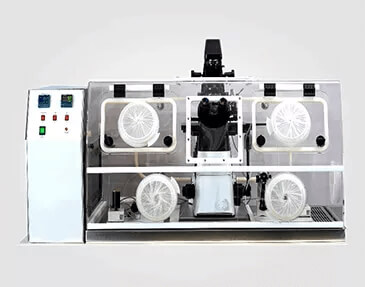
Closed Working Chambers Technology
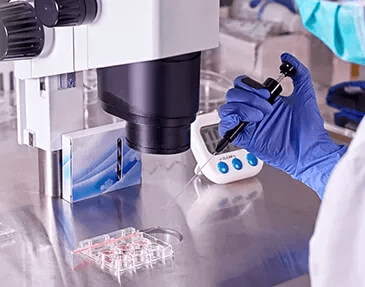
Non-Invasive Preimplantation Genetic Testing (NIPGTA)
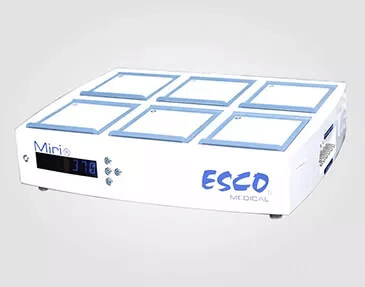
Advanced Incubators
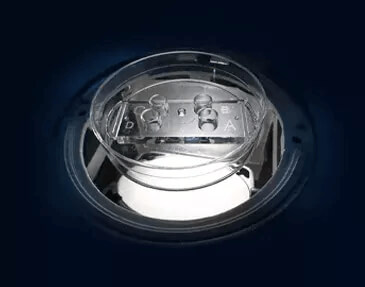
Microfluidic Sperm Sorter Technique
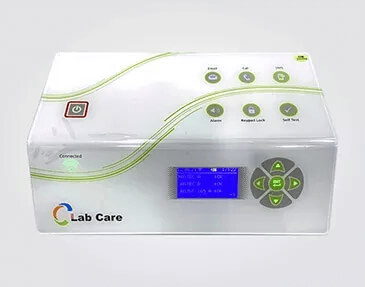
24*7 Monitoring System
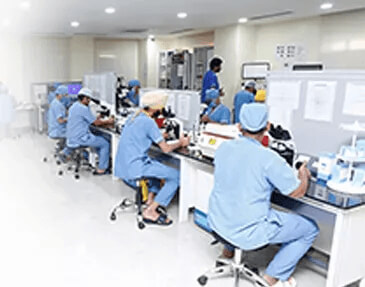
World-class laboratories