015971265


Overview
For couples trying to conceive, not knowing why pregnancy has not happened can be frustrating. You may wonder whether everything is alright or whether it is time to seek medical advice. An infertility workup is often the first step towards finding answers. It helps a fertility specialist look at both partners' reproductive health, understand possible reasons for the delay and decide whether further tests are needed. The evaluation is based on each couple's medical history, symptoms and individual circumstances. Understanding the findings helps couples make informed decisions about their fertility care. In this article, you will learn what an infertility workup is and what to expect.
This guide explains who might need it, how it works, the risks, and what recovery may look like.
What Is an Infertility Workup?
Month after month of waiting, hoping and facing disappointment can be emotionally exhausting. Couples may find themselves wondering why pregnancy has not occurred, even when they have been trying for a long time.
An infertility workup is a comprehensive medical evaluation designed to identify factors affecting a couple’s ability to conceive. It helps the doctor understand what might be affecting a couple’s chances of conceiving. The evaluation looks at both partners. This can include determining whether ovulation is happening, inspecting the uterus and fallopian tubes and analysing sperm quality.
Infertility is usually defined as the inability to conceive within one year of frequent, unprotected sex. In some cases, you don't need to wait a full year to start an evaluation. Other factors, including age, menstrual cycle, history of fertility issues and various health issues, may require an earlier test.
Different couples need different tests. It depends on several factors, including a thorough review of their medical history and unique situation.
When Should You Consider an Infertility Evaluation?
The appropriate time to seek an assessment depends on age and individual circumstances.
- Under 35 years: Consider an evaluation after 12 months of trying to conceive without success.
- 35–40 years: Seek an evaluation after six months of trying.
- Over 40 years: An earlier assessment is generally advisable.
- At any age: Seek advice sooner if periods are irregular or absent, or if there is a history of endometriosis, pelvic infection, reproductive surgery or known fertility concerns.
These recommendations are consistent with guidance from the American Society for Reproductive Medicine (ASRM). An earlier consultation does not necessarily mean that a serious problem exists. It simply helps ensure that relevant concerns are assessed without unnecessary delay.
What Happens During the Initial Consultation?
A consultation typically starts with a discussion of your medical and reproductive history. The fertility doctor can enquire about how long you have been trying for a baby, about whether your menstrual periods are regular and if either of the two of you has previously been pregnant or had a miscarriage.
Your past surgeries, current health problems, family history, and lifestyle may also be relevant.
It is best to see both partners at once so you don't single out one person.
Common Tests Included in an Infertility Workup
The investigations recommended depend on the information gathered during the consultation.
Ovulation Assessment
Ovulation is the release of an egg from an ovary. If it does not occur regularly, conception may become more difficult. A fertility specialist can review your menstrual pattern or suggest progesterone testing through blood work at the right time in your cycle.
Menstrual irregularities can be linked to problems like polycystic ovary syndrome (PCOS) or hormonal imbalances. The right tests depend on your symptoms.
Hormone Blood Tests
Hormones help regulate menstrual cycles and reproductive function. Depending on the circumstances, tests may assess thyroid function, follicle-stimulating hormone (FSH), luteinising hormone (LH) or other relevant hormones. These tests are not necessary for everyone. Their timing and interpretation depend on the hormone being measured and the reason for testing.
Ovarian Reserve Assessment
Ovarian reserve refers to the remaining supply of eggs in the ovaries. Specialists may assess it through anti-Müllerian hormone (AMH) testing or an antral follicle count on ultrasound. These assessments help the specialist understand ovarian reserve and, when appropriate, anticipate how you may respond to fertility treatment. However, ovarian reserve tests cannot independently predict whether natural conception will occur. Age and the overall clinical picture remain important.
Ultrasound and Fallopian Tube Assessment
The pelvic ultrasound will enable the doctor to evaluate the structure of the uterus and ovaries and check for the presence of fibroids or any other abnormalities like ovarian cysts.
However, if the specialist suspects a blocked Fallopian tube, they will recommend a hysterosalpingography (HSG). This test entails injecting contrast dye via the cervix and taking images through an X-ray. The images reveal the contour of the uterine cavity and the dye's path through the tubes. If initial tests reveal an anomaly, the doctor may recommend further specialised testing.
Semen Analysis
Semen analysis is an important part of the infertility workup. It assesses several characteristics of the semen and sperm, including:
- Sperm concentration and total number.
- Sperm movement, known as motility.
- Sperm shape, known as morphology.
- Semen volume and other relevant characteristics.
An abnormal result does not automatically mean that natural conception is impossible. Sperm characteristics can vary, so we may recommend repeat testing or further assessment when needed.
Here is a quick tabular overview of these tests for your reference.
| Test | Purpose |
|---|---|
| Pelvic ultrasound | Examines the uterus and ovaries for visible abnormalities |
| Ovulation assessment | Helps establish whether ovulation is occurring |
| Hormone blood tests | Investigates selected hormonal concerns |
| Ovarian reserve assessment | Estimates the remaining egg supply |
| Hysterosalpingography (HSG) | Assesses the uterine cavity and whether the fallopian tubes appear open |
| Semen analysis | Evaluates sperm concentration, movement and shape |
Infertility Workup for Women and Men
A comprehensive evaluation considers both partners because fertility difficulties can involve female factors, male factors, a combination of both or causes that remain unexplained.
For women, the evaluation may include:
- Menstrual and pregnancy history.
- Assessment of ovulation.
- Ultrasound examination of the uterus and ovaries.
- Selected hormone tests.
- Assessment of fallopian tube patency when indicated.
For men, the evaluation may include:
- Medical, surgical and reproductive history.
- Semen analysis.
- Physical examination when indicated.
- Further testing for hormones and genes if initial results indicate the need.
Sometimes, both partners may get normal results for fertility tests, yet conception doesn't take place. The doctors call this unexplained infertility. It means the test results didn't identify the cause. Getting further advice from the fertility specialist will help clarify everything.
How to Prepare for Fertility Tests
A few simple steps can help you organise the evaluation.
- Bring previous test results, ultrasound reports and relevant medical records.
- Note the dates of recent menstrual periods.
- Share details of previous pregnancies, miscarriages and reproductive surgeries.
- Inform the specialist about existing health conditions.
- Follow instructions regarding test timing and preparation.
- Ask questions if you are unsure why an investigation has been recommended.
Some tests must be scheduled at a specific stage of the menstrual cycle. Your fertility team can explain the appropriate timing and preparation.
Understanding Your Test Results
Fertility test results should always be interpreted together rather than in isolation. A result outside the laboratory's reference range does not automatically establish infertility. Similarly, normal results cannot guarantee pregnancy.
After interpreting the test results and reviewing the couple's medical history, the specialist will explain how they affect the couple. Some couples may need additional tests, while others may move on to discussing the next step in the treatment process.
Not all couples need to take the same set of investigations because it depends on the issues that were revealed during the initial infertility workup.
Conclusion
An infertility workup is a major step in figuring out the reasons why conception may be taking longer than normal. This process evaluates both partners and identifies potential issues to address next.
At Indira IVF, you can meet with an experienced fertility specialist who will listen to your situation, answer your questions, and recommend the necessary tests. Proper support can make the experience less intimidating and help couples move on to the next step with more confidence.
Each case of infertility is different. Even when the underlying cause can't be identified immediately, a systematic evaluation can determine how to proceed. It provides a path forward and more clarity about the future.
Frequently Asked Questions
How long does an infertility workup take?

The duration varies. Some assessments can be completed within a few visits, while others require tests scheduled around the menstrual cycle or repeat semen analysis.
Is an infertility workup painful?
Most initial investigations cause little to no discomfort. An HSG may cause temporary cramping, although experiences vary.
Do both partners need fertility tests?
Both partners should have an infertility workup. Difficulties with conception can be related to either partner or, in some cases, both.
Can infertility be diagnosed when all test results are normal?
Yes. Sometimes, routine fertility tests do not show why pregnancy has not occurred. A specialist may describe this as unexplained infertility.
Does a low AMH result mean pregnancy is impossible?
No. Low levels of AMH signify low ovarian reserve, yet this does not mean that natural pregnancy cannot take place. Other fertility factors, such as age, must also be considered.
When should I consult a fertility specialist?
Consider an evaluation after 12 months of trying if you are under 35, after six months if you are aged 35–40, or earlier if you are over 40 or have known fertility concerns.
Our Clinic
From tests and scans to the entire treatment process, Indira IVF provides all fertility services under 1 roof and has the latest facilities for your comfort and convenience.



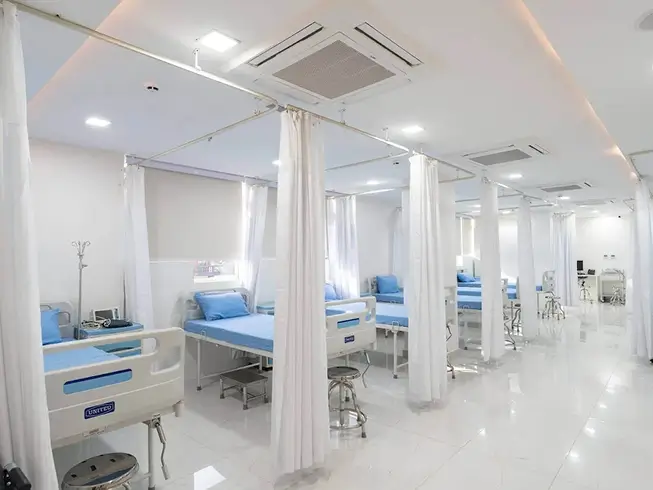
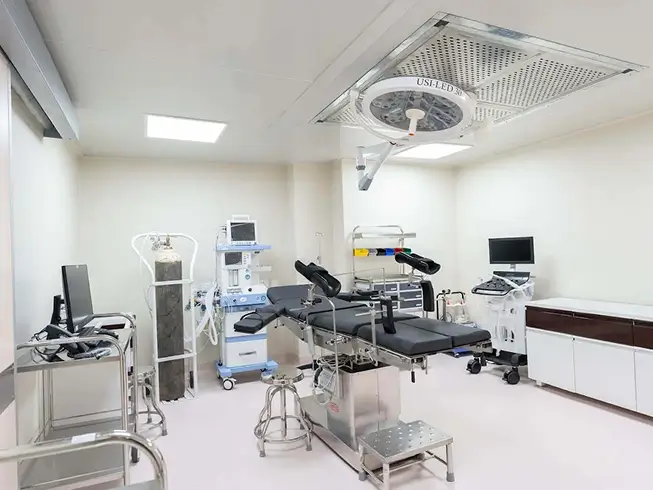


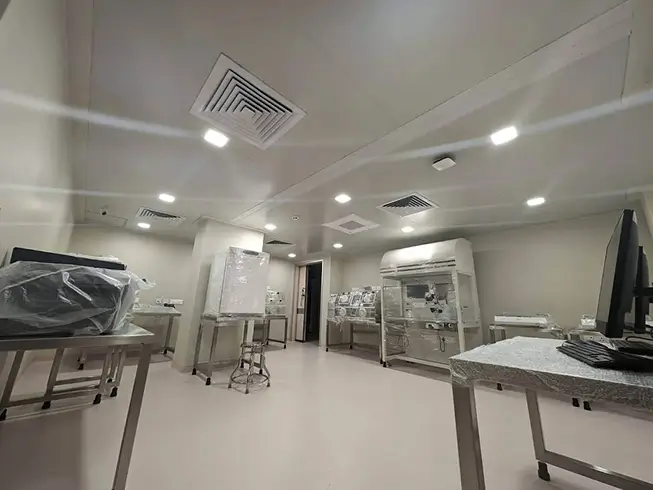


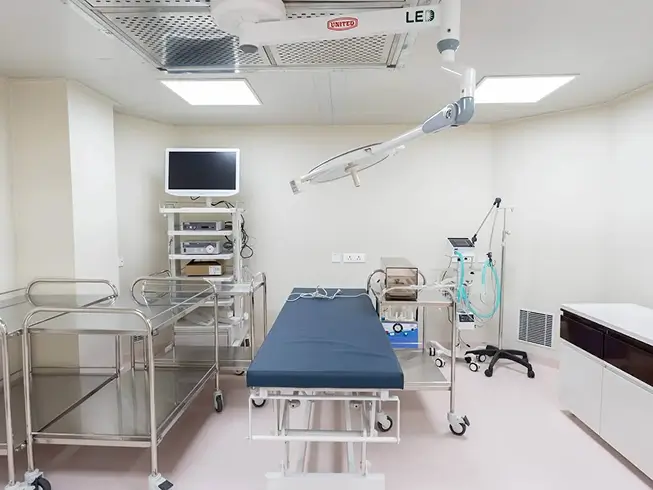
Visit our IVF Centre in Panipokhari, Kathmandu today!
Indira IVF, 3rd Floor, Adjacent to Global IME Bank, IME Complex, Panipokhari, Kathmandu-03, Nepal - 44600

Advanced Fertility Treatments with State-of-the-Art Technology
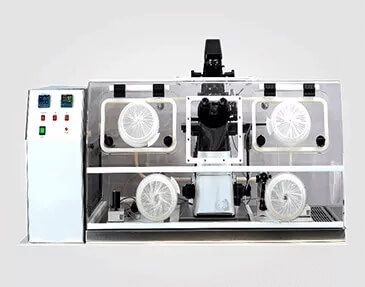
Closed Working Chambers Technology
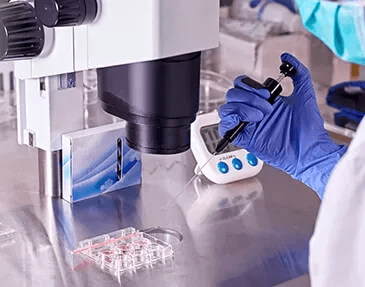
Non-Invasive Preimplantation Genetic Testing (NIPGTA)

Advanced Incubators
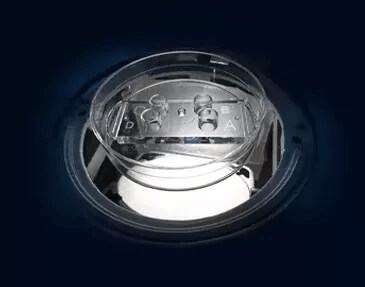
Microfluidic Sperm Sorter Technique
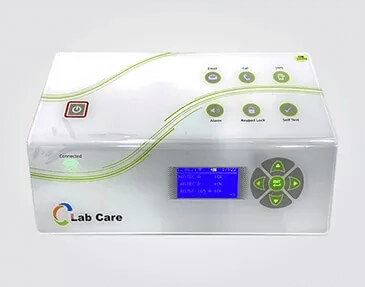
24*7 Monitoring System