015971265


Overview
What is Paternal Lymphocyte Immunisation?
Lymphocyte immunotherapy (LIT), often called paternal lymphocyte immunisation (PLI), is an experimental treatment that has been offered to women with recurrent pregnancy loss. Lymphocytes are a type of white blood cell. In this approach, a sample of the father's blood is collected, the white blood cells are separated in a laboratory, and they are then injected into the mother, usually before a new pregnancy. PLI was developed with the aim of helping the mother’s immune system build tolerance to foreign tissues. LIT or PLI has also been explored in IVF after several unsuccessful treatment cycles, but its effectiveness remains unproven.
How Is the Procedure Done?
If your clinic offers paternal lymphocyte immunisation, the procedure may look like:
- Blood Sample: A blood sample is retrieved from the father
- Lab Preparation: The lab separates white blood cells from the sample and prepares them for injection.
- Injection: The WBCs are then injected into the mother’s forearm (shallow intradermal or subcutaneous injections).
- Repeat Sessions: You may need to have two to three sessions spaced a few weeks apart.
- Follow-up: Blood tests might be done afterwards to determine if the mother’s body has responded to the cells.
Couples are usually advised to wait about four weeks after the completion of treatment before trying for a baby.
What Does the Research Say?
The best way to judge a treatment is to look at many well-run trials together.
In 2025, a study was published explaining the case of a 28-year-old woman who suffered repeated miscarriages during the first trimester and unsuccessful ICSI attempts before she conceived and gave birth to a healthy baby through lymphocyte immunotherapy. LIT was performed 6 weeks before a new ICSI cycle. The results showed positive findings on the following ultrasounds and hormone levels at week 6, week 8, and week 12. Eventually, she gave birth to a healthy baby. However, other studies have not been as promising.
Cochrane Collaboration and ESHRE showed:
| Question | Evidence |
|---|---|
| Does LIT/PLI increase the chances of a live birth? | Pooled trials found no meaningful benefit compared with a placebo. |
| Is it recommended in international guidance? | ESHRE’s 2022 guidelines advise against its use for recurrent miscarriages. |
| Is it free of risk? | Reported problems include immune reactions and infections. |
| Are early positive results reliable? | Many early studies were small or poorly controlled. |
Possible Risks Associated with LIT/PLI
LIT is generally considered a low-risk procedure, and its side effects are similar to those of standard intradermal vaccines. You may notice:
- Mild to moderate redness, swelling, or itching at the injection site. It should resolve by itself in a couple of weeks.
- Though rare, some patients may experience blistering.
- Temporary bluish-reddish spots or discolourations.
- Flu symptoms such as mild fever, fatigue or a general feeling of illness. Also uncommon.
- Risk of blood-borne infection transmission if healthcare providers do not follow screening protocols properly.
- Emotional strain. Going through weeks of treatment, then facing another loss, can feel emotionally crushing.
- Lost time in couples where age is a factor. Spending months on a treatment that may or may not work can delay getting actual care that can help.
What Actually Helps After Repeated Pregnancy Loss
The good news is that recurrent loss is a medical problem, and proper investigation can resolve it.
- Genetic checks: Chromosome problems in the embryo are the most common reason for early miscarriage. Sometimes, testing the couple's chromosomes is advised.
- Womb assessment: A scan can show whether the shape of the uterus plays a role in repeated pregnancy loss.
- Blood tests for clotting and hormone conditions: Conditions like antiphospholipid syndrome or thyroid disease can affect pregnancy outcomes. These may be manageable once discussed by a specialist.
- Lifestyle review: Smoking, heavy alcohol use, and very high or low body weight are linked with a higher risk of miscarriages.
- Supportive care: Early monitoring and emotional support in the next pregnancy make a real difference. Studies of dedicated early pregnancy care have shown reassuring outcomes for many couples.
Not every couple will need every test. The aim is to find a cause when one exists and to avoid unproven steps when it doesn't.
When to Speak to a Specialist
Many guidelines suggest seeking assessment after two or more pregnancy losses. Do not wait until you have been through repeated heartbreak. Look for a fertility or recurrent pregnancy loss specialist who explains the evidence openly, including what is not known. If a clinic promises that a treatment will "fix" your immune system, ask for the published research behind it. A good doctor will welcome the question.
Conclusion
Lymphocyte immunotherapy, or paternal lymphocyte immunisation, involves injecting the father’s white blood cells into the mother with the aim of building immune tolerance towards the embryo. LIT/PLI began as an appealing idea that offered hope to many couples. However, research has not consistently shown that it improves live birth rates. Many major international guidelines do not recommend it for treating recurrent pregnancy loss.
For couples facing recurrent pregnancy loss, a more evidence-based approach involves a thorough, step-by-step medical evaluation, emotional support, and close monitoring during the next pregnancy. The chances of having a healthy baby after pregnancy loss are often better than many people fear. Accurate information is the first step towards making calm, confident decisions.
Frequently Asked Questions
What is LIT/PLI in simple words?

Lymphocyte immunotherapy (LIT), or paternal lymphocyte immunisation (PLI), is an experimental treatment for recurrent pregnancy loss. White blood cells from the father are injected into the mother with the aim of helping her immune system tolerate the pregnancy.
Why was LIT/PLI thought to help?
The idea was that a baby carries genetic material from both parents, and half of it comes from the father. Researchers explored whether problems with the mother's immune response might contribute to some pregnancy losses. LIT/PLI was developed with the hope of addressing this possibility.
Do international guidelines recommend LIT/PLI?
No. The European Society of Human Reproduction and Embryology (ESHRE) guidelines on recurrent pregnancy loss do not recommend paternal lymphocyte immunisation as a treatment.
Is LIT/PLI safe?
It is not completely risk-free, like any medical procedure. Potential risks include injection-site reactions, fever, flu-like symptoms, and other complications. Discuss the potential risks and uncertainties with a specialist before considering this treatment.
What are the alternatives to LIT/PLI?
The appropriate approach depends on the possible causes of pregnancy loss. A fertility specialist can review your medical history, recommend relevant investigations, and discuss suitable management options.
Our Clinic
From tests and scans to the entire treatment process, Indira IVF provides all fertility services under 1 roof and has the latest facilities for your comfort and convenience.

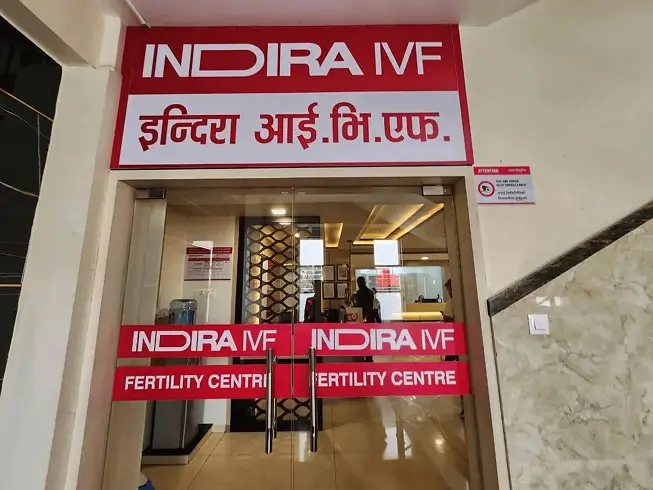










Visit our IVF Centre in Panipokhari, Kathmandu today!
Indira IVF, 3rd Floor, Adjacent to Global IME Bank, IME Complex, Panipokhari, Kathmandu-03, Nepal - 44600

Advanced Fertility Treatments with State-of-the-Art Technology
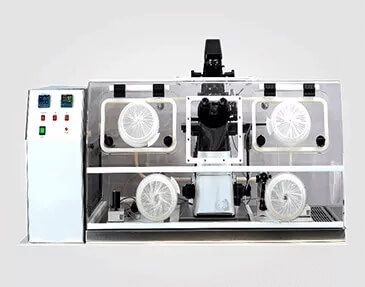
Closed Working Chambers Technology

Non-Invasive Preimplantation Genetic Testing (NIPGTA)
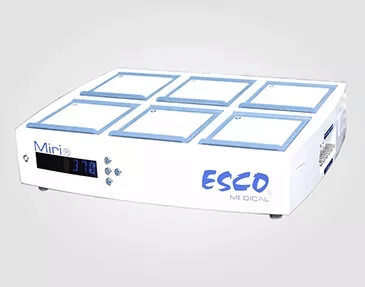
Advanced Incubators
Microfluidic Sperm Sorter Technique
24*7 Monitoring System