015971265


Overview
The fertility journey can bring hope, uncertainty and many questions. During IVF, most eyes and attention naturally go to the eggs, sperm, and embryos. But the conditions inside the embryology laboratory also matter. Air quality is one of the factors laboratories monitor to maintain a clean, controlled environment for handling and culturing embryos. Therefore, an air monitoring system helps fertility laboratories track key environmental conditions around the embryology laboratory.
Maintaining a stable environment also helps create suitable conditions for handling and culturing embryos. However, it is important to keep in mind that air monitoring does not treat infertility. It is a laboratory quality-control measure that supports the controlled environment needed during assisted reproductive procedures.
What Is an Air Monitoring System?
An air monitoring system is a technology that regularly checks environmental conditions inside a laboratory. In fertility care, it matters most in embryology laboratories, where eggs, sperm, and embryos may be handled and cultured outside the body.
The egg and sperm cells are sensitive to their surroundings. Research suggests that both particulate matter and chemical pollutants in laboratory air can affect the conditions in which embryos develop.
An air monitoring system collects data from different sensors and displays it through a central monitoring platform. This makes it easier for lab teams to spot changes and act when needed.
Note: The exact parameters monitored can vary between laboratories and systems. Some systems track temperature, humidity, carbon dioxide, particulate matter and total volatile organic compounds (TVOCs).
Why Is Air Quality Important in IVF Laboratories?
Air quality in an IVF lab matters because:
- Embryos are Sensitive to their Surroundings: Changes in the laboratory environment may affect the conditions in which embryos are cultured.
- Air Can Contain Unwanted Particles: Dust and other airborne particles can enter laboratory spaces and affect overall air cleanliness.
- Chemical Pollutants Can Be Present Indoors: Volatile organic compounds (VOCs) can come from paints, cleaning products, plastics, personal-care products and other materials.
- Laboratory Air Needs Consistent Monitoring: Regular monitoring can help identify changes in environmental conditions before they become persistent problems.
- Good Air Quality Supports Laboratory Control: Air monitoring works alongside ventilation, filtration, equipment maintenance and other quality-control practices to maintain a suitable laboratory environment.
Research has linked laboratory air quality with embryo development and IVF laboratory outcomes. However, the evidence is not strong enough to say that one particular monitoring system or filtration method guarantees a pregnancy. Researchers have also highlighted the need for better evidence and standardised approaches.
What Does an Air Monitoring System Measure?
Different systems may monitor different environmental factors. Common parameters include:
| Parameter | What It Tells The Laboratory |
|---|---|
| Temperature | Whether the laboratory environment remains within the desired range |
| Humidity | Helps assess moisture levels in the air |
| Carbon Dioxide (CO₂) | Provides information about the laboratory environment and ventilation conditions |
| Particulate Matter | Indicates the presence of very small airborne particles |
| Volatile Organic Compounds (VOCs) | Helps identify chemical pollutants present in the air |
| Particle Count | Tracks the number of airborne particles of specified sizes |
How Does Air Monitoring Work?
An air monitoring system generally uses sensors placed in relevant areas of the laboratory. These sensors collect information about selected environmental parameters. The system then transfers the readings to a central monitoring platform.
Depending on the system, laboratory personnel may be able to:
- View environmental readings in real time
- Review historical measurements
- Identify unusual changes
- Set acceptable ranges for different parameters
- Receive alerts when readings move outside those ranges
- Compare environmental data over time
- Take corrective action when necessary
A sudden temperature change or rise in VOC levels may prompt the laboratory team to investigate the possible source. This makes monitoring different from simply checking the room occasionally.
The AMS needs regular checks and monitoring. It can provide a clearer picture of the laboratory environment throughout the day.
Air Monitoring System and Embryo Culture
Embryo culture is one of the most sensitive parts of assisted reproduction. Embryos are exposed to laboratory conditions during a period when their development is closely observed.
Scientific reviews have suggested that embryos and reproductive cells are particularly sensitive to environmental influences because they have limited natural protection outside the body. Because of this vulnerability, strict air-quality control protocols are critical during this developmental phase.
Air monitoring itself does not change embryo development. Instead, it provides information about the environment in which laboratory procedures take place.
Monitoring can help identify potential environmental problems before they persist unnoticed. This supports broader laboratory quality-control practices, along with appropriate ventilation, filtration, equipment maintenance, and good laboratory practices.
Benefits of Air Monitoring in Fertility Laboratories
A well-designed monitoring approach can support laboratory quality in several ways, such as:
- Helps Maintain Environmental Stability: Regular measurements make it easier to notice changes in temperature, humidity and other environmental conditions.
- Supports Early Identification of Problems: Unexpected readings can alert laboratory personnel to a possible issue. Early identification may allow personnel to investigate the problem sooner.
- Helps Monitor VOCs and Airborne Pollutants: VOCs have received particular attention in reproductive laboratory research because certain chemical pollutants may be harmful to developing embryos.
- Creates A Record of Laboratory Conditions: Historical data can help laboratory teams understand environmental patterns. It may also be useful when investigating an unusual event.
- Supports Quality-Control Practices: Air monitoring can work alongside ventilation, filtration, cleaning protocols and equipment maintenance to create a more controlled laboratory environment.
What Can Affect Air Quality in an IVF Laboratory?
Air quality can change for many reasons. Some are easy to overlook. Potential sources include:
- Cleaning and maintenance activities
- Paints, adhesives and construction materials
- Plastics and other laboratory materials
- Personal-care products
- Outdoor air pollution entering the building
- Inadequate ventilation
- Changes in temperature or humidity
- Movement of people within laboratory areas
- Certain laboratory equipment or supplies
Research has identified VOCs from several indoor and laboratory-related sources. Construction and cleaning activities have also been associated with changes in laboratory air quality. Therefore, it is important to maintain laboratory air quality rather than simply install a filter.
Air Monitoring vs Air Filtration
Air monitoring and air filtration are related, but they perform different functions. Air monitoring measures the environment, while air filtration cleans the air.
| Air Monitoring | Air Filtration |
|---|---|
| Measures air quality | Helps remove selected contaminants |
| Uses sensors | Uses filters or filtration media |
| Provides environmental data | Helps improve the air being supplied |
| Can generate alerts | Requires maintenance and filter replacement |
| Helps identify changes | Helps control certain pollutants |
HEPA filtration is commonly used to remove airborne particles, while chemical filtration approaches may target VOCs. Research suggests that controlling chemical pollutants, particularly VOCs, deserves attention in reproductive laboratories.
Note: However, stronger evidence and more consistent standards for laboratory air-quality management are still needed.
Conclusion
The fertility journey can involve many uncertainties. For couples undergoing IVF, even small details inside the laboratory can feel important because they are connected to something deeply personal: the hope of having a child.
An air monitoring system is one part of the laboratory infrastructure designed to keep the environment under close observation. By tracking factors such as temperature, humidity, particulate matter, and VOCs, it supports better environmental control and helps laboratory teams respond to changes.
But remember that it does not guarantee quality embryo development or pregnancy. Instead, it helps keep the lab environment stable and safe for assisted reproductive procedures.
Frequently Asked Questions
What is an air monitoring system in IVF?

An air monitoring system tracks environmental conditions inside an IVF laboratory. Depending on the system, it may measure temperature, humidity, carbon dioxide, particulate matter, particle counts and VOCs.
Does air monitoring improve IVF success rates?
Air monitoring does not directly improve or guarantee IVF success. It is a laboratory quality-control measure that helps track environmental conditions that may influence embryo culture.
What are VOCs in an IVF laboratory?
VOCs are volatile chemical compounds found in indoor air. They may come from products and materials such as paints, plastics, cleaning products and other sources.
Does every IVF laboratory use the same air monitoring parameters?
No. The parameters monitored can differ based on the laboratory’s design, equipment, ventilation system, and quality-control practices.
Can air quality affect embryo development?
Research indicates that laboratory air quality may influence embryo development. However, air quality is one of several factors involved in laboratory embryo culture, and the evidence does not support attributing IVF outcomes to air quality alone.
Our Clinic
From tests and scans to the entire treatment process, Indira IVF provides all fertility services under 1 roof and has the latest facilities for your comfort and convenience.



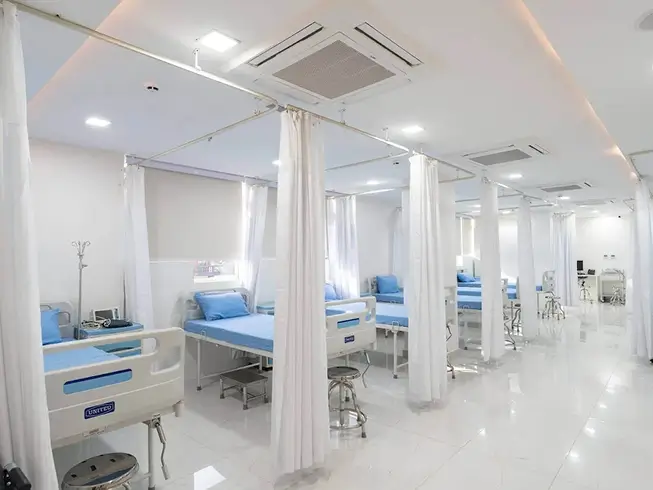
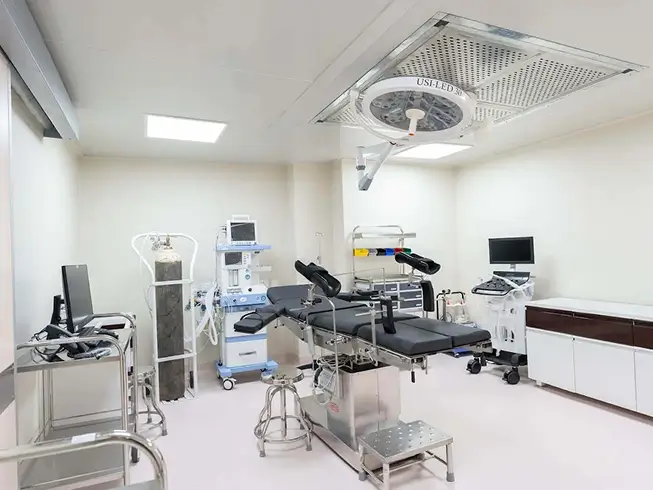
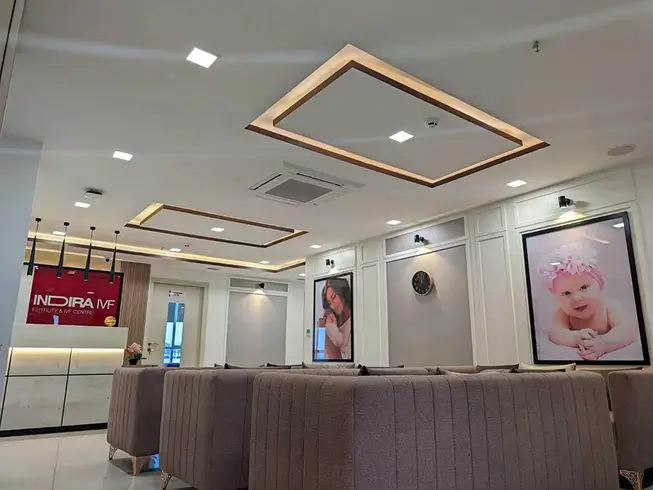
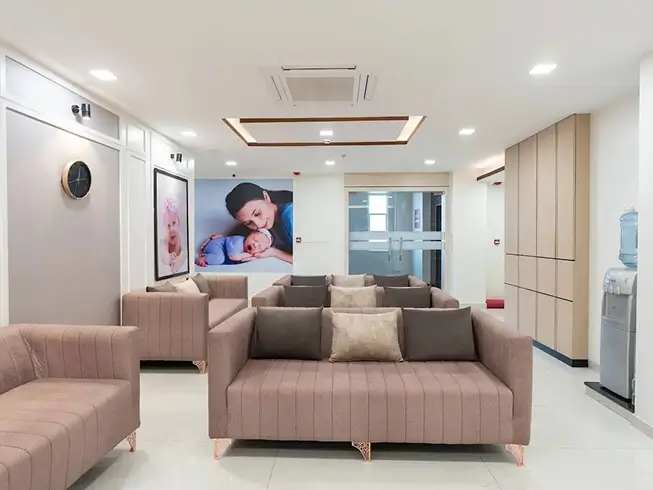
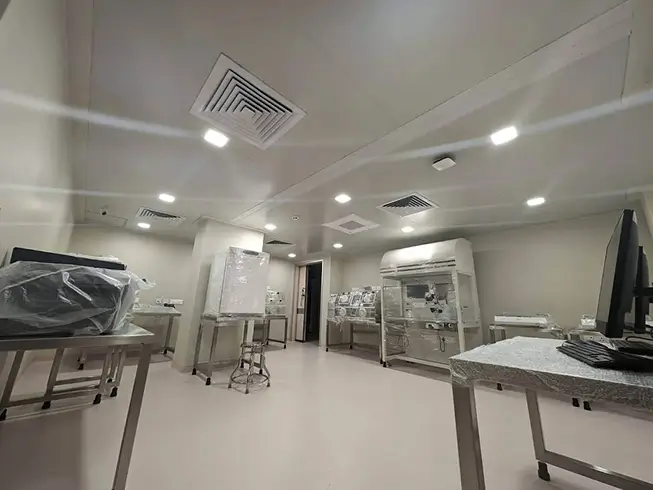
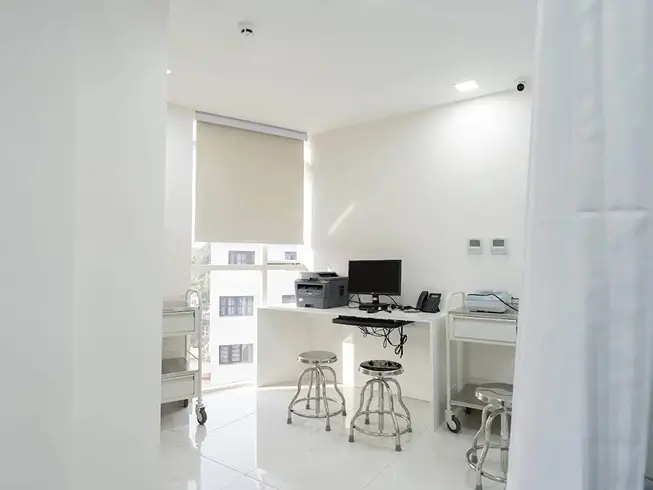
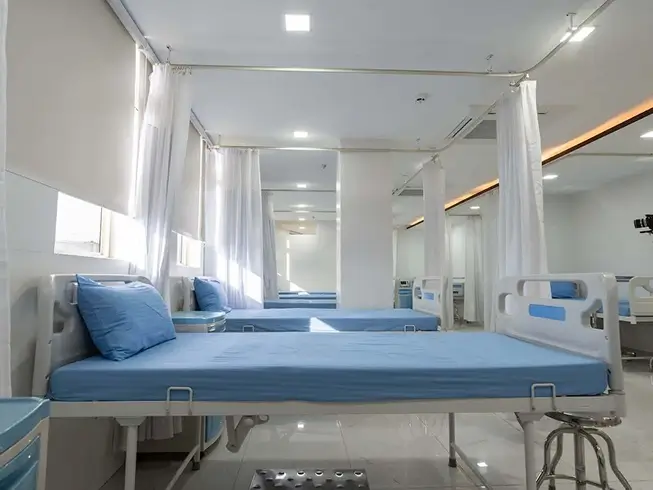
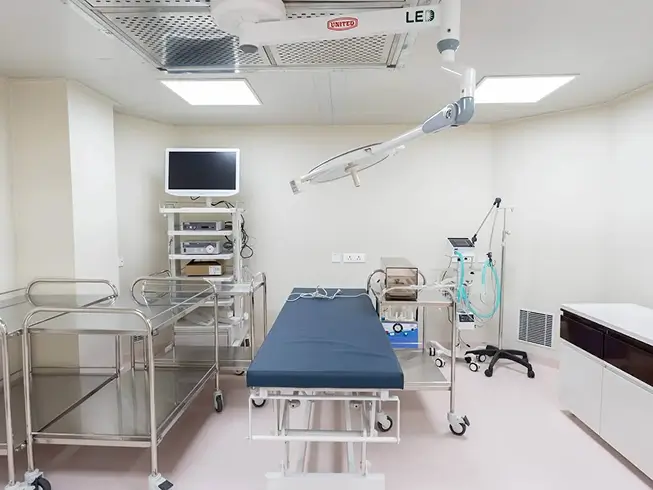
Visit our IVF Centre in Panipokhari, Kathmandu today!
Indira IVF, 3rd Floor, Adjacent to Global IME Bank, IME Complex, Panipokhari, Kathmandu-03, Nepal - 44600

Advanced Fertility Treatments with State-of-the-Art Technology
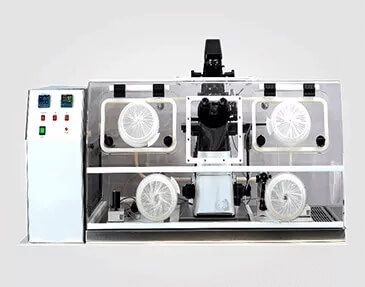
Closed Working Chambers Technology
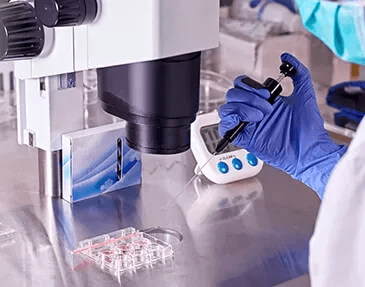
Non-Invasive Preimplantation Genetic Testing (NIPGTA)

Advanced Incubators
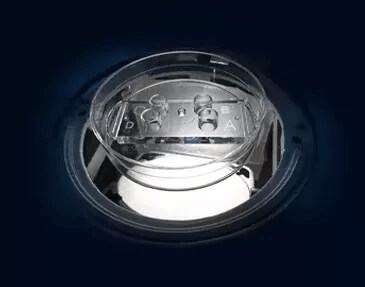
Microfluidic Sperm Sorter Technique
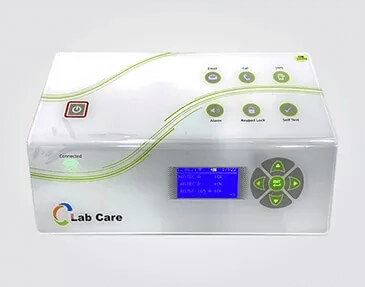
24*7 Monitoring System