015971265


Overview
What Is Embryo Glue?
Embryo glue is a special culture medium used in IVF embryo transfer. It helps embryos implant, improving pregnancy rates in IVF-ET cycles. Despite its name, it is not real glue and does not “stick” the embryo to the uterine wall. Instead, embryo glue is the common name for a hyaluronan-enriched transfer medium. Hyaluronan, or hyaluronic acid, is a macromolecule that promotes implantation.
How Embryo Glue Works
For IVF to be successful, the embryo must implant itself in the lining of the uterus. This step, known as implantation, is a delicate moment in the procedure that determines whether the pregnancy goes forward.
Embryo glue works by replicating the natural fluids in the womb. Simply put, it is a nutrient-dense, protein-rich solution that mimics the natural fluid environment of the uterus during implantation. It also thickens the medium, keeping the embryo from shifting after transfer.
How Is It Used During Embryo Transfer?
The process is simple and doesn't take much time out of your day. In the lab, the embryologist puts the selected embryo into the hyaluronan-enriched liquid. Embryos are generally left in the medium for 30 to 40 minutes before being placed in the uterus with a catheter. This procedural step is like a routine pelvic check, and most women don’t need anaesthesia. You can use embryo glue with both fresh and frozen embryos.
Who Might Consider It?
Embryo glue is not for everyone. But in some cases your doctor may advise you to use it. Some couples may choose to discuss it if they have:
- Had one or more unsuccessful embryo transfers.
- Been told the cause of infertility is unexplained.
- Been advised that a frozen embryo transfer is the best next step.
- Expressed a strong wish to explore every reasonable option after a thorough consultation with their doctor.
Remember, although embryo glue can improve the odds of implantation, it is no substitute for high-quality embryos, a healthy endometrial lining, and excellent care.
Embryo Glue at a Glance
Mentioned below are just a few things you must keep in mind while discussing embryo glue as a suitable option for your fertility journey:
| Aspect | What We Know |
|---|---|
| What it is | A transfer liquid enriched with hyaluron or hyaluronic acid |
| Main purpose | To support implantation after embryo transfer |
| Extra procedures needed | None. |
| Possible benefit | It may increase pregnancy and live birth rates. |
| Main limitation | Results vary between studies, and success is not guaranteed |
| Suitable for | Fresh and frozen embryo transfers |
| Safety record | No serious harm has been shown in studies so far |
Is Embryo Glue Safe?
Hyaluronan is a natural substadies of embryo glue have not shown a clear rise in miscarriage or birth defects. Large reviews hnce. It is already present in the female body. It is also used in many other medical treatments. Stuave not flagged major safety concerns. Even so, long-term data on children is still limited, as with many newer laboratory methods.
Some women do have a rare allergy to certain medicine ingredients. Please tell your doctor about any known allergies before starting treatment. Also, ask your clinic to be fully transparent about the procedure.
Questions to Ask Your Fertility Team
Asking the right questions at the right time can bring a couple some much-needed peace. Apart from any queries you may already have, make sure to ask your fertility team:
- Why do you suggest embryo glue for me?
- What evidence supports it for someone with my history?
- Which product does the laboratory use?
- What are the risks or complications I should be aware of?
- How does this fit in with the rest of my treatment plan?
- Is there anything else I can do to improve my odds?
Don't be shy about asking questions. Remember, you have every right to ask for transparency, and a clinic that cares about you will be patient and welcome your questions.
Conclusion
Choosing a treatment path is hard on its own, and words like "add-on" can feel heavy when you only want a baby. Embryo glue is a gentle, low-risk step that may help some couples achieve exactly that. However, remember that it is neither a magic fix nor a failure on your part if you skip it. Your journey is more than one decision.
Frequently Asked Questions
Is embryo glue actually a type of glue?

No. It is a common name used for a hyaluron-enriched transfer medium. It does not “stick” the embryo to the womb.
Does using embryo glue mean pregnancy is guaranteed?
No. While embryo glue may help, nothing is ever guaranteed. Embryo glue can help some women conceive, but research shows mixed results.
Is the embryo glue procedure painful?
The embryo glue step happens in the laboratory, so you don’t feel anything more than you would in a standard IVF procedure. The transfer itself is usually quick and gentle.
Is embryo glue compatible with frozen embryos?
Yes. You can use embryo glue for fresh and frozen embryo transfer.
Will embryo glue harm the baby?
So far, studies have not shown embryo glue to pose any risk to the baby, as hyaluron is a natural substance. Long-term data is still limited, though.
Do I need embryo glue for my first IVF?
Not necessarily. Many couples have had successful pregnancies without embryo glue. Be sure to discuss this thoroughly with your fertility specialist.
Is embryo glue for everyone?
No. Embryo glue is an extra, not a necessity. Your healthcare provider can best advise you.
Our Clinic
From tests and scans to the entire treatment process, Indira IVF provides all fertility services under 1 roof and has the latest facilities for your comfort and convenience.








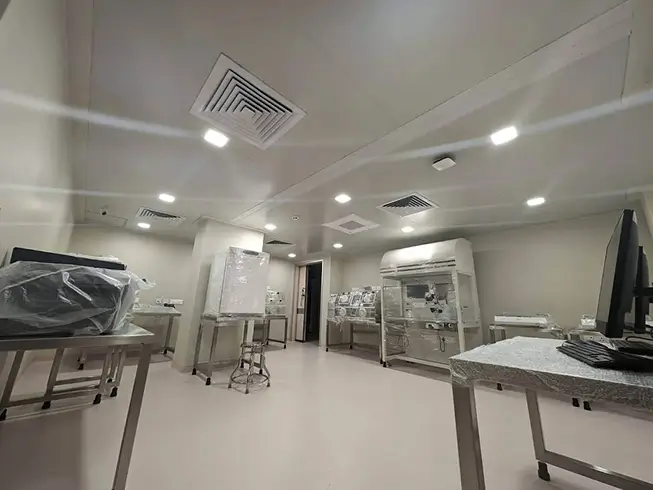



Visit our IVF Centre in Panipokhari, Kathmandu today!
Indira IVF, 3rd Floor, Adjacent to Global IME Bank, IME Complex, Panipokhari, Kathmandu-03, Nepal - 44600

Advanced Fertility Treatments with State-of-the-Art Technology
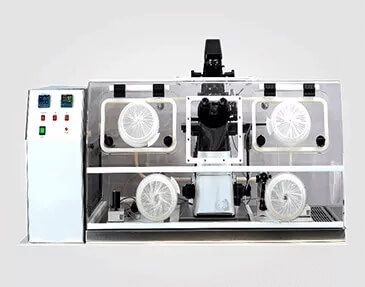
Closed Working Chambers Technology
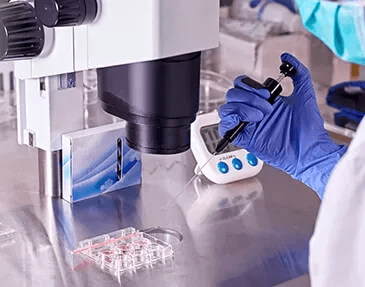
Non-Invasive Preimplantation Genetic Testing (NIPGTA)
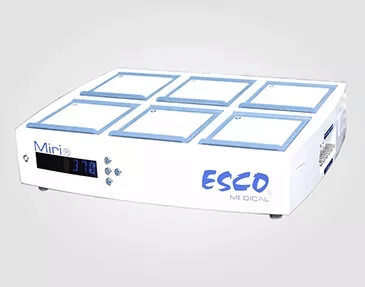
Advanced Incubators
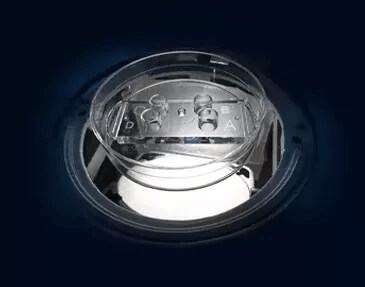
Microfluidic Sperm Sorter Technique
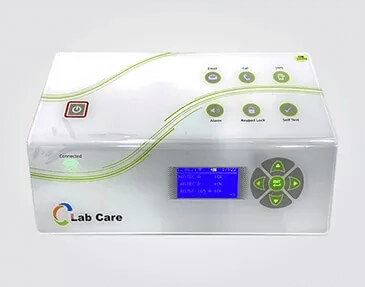
24*7 Monitoring System