015971265


Overview
Building a family can look different for everyone. Some may conceive without any complications, while some may experience certain obstacles. Hence, understanding the available fertility options can help people decide what to discuss and what options one can choose, such as IVF. During IVF, doctors may suggest using donor eggs when a woman’s own eggs are not suitable for treatment or certain medical conditions affect their fertility. Before considering this option, it helps to understand how the process works, what donor screening involves, and the medical, emotional and legal aspects of treatment.
So, this guide explains egg donation, when it is usually considered, who may benefit from donor eggs, the steps involved and the questions patients should ask a fertility doctor before making an informed decision.
What Is an Egg Donor or Ovum Donor?
An egg donor, sometimes called an ovum donor, is a woman who provides eggs (ova or oocytes) for fertility treatments such as IVF. Donor eggs are usually used when a woman’s own eggs are insufficient in number, or their quality may affect the chances of successful fertilisation.
Donor eggs may be frozen for future use or used soon after collection. Once the eggs are collected from the donor, the lab combines them with sperm to create embryos. An embryo is then transferred into the uterus of the intended recipient.
In this case, the person carrying the pregnancy does not contribute the egg’s genetic material. The egg donor contributes the egg’s nuclear genetic material, while the sperm provider contributes the other half.
When Might Donor Eggs Be Considered?
A fertility doctor may discuss donor eggs when using a patient’s own eggs may reduce the chances of a successful pregnancy. Some of the possible circumstances include:
- Reduced Ovarian Reserve: The ovaries have a limited remaining supply of eggs.
- Premature Ovarian Insufficiency: Ovarian function declines earlier than expected, potentially affecting egg production.
- Repeated Unsuccessful IVF Cycles: Previous attempts have not resulted in a pregnancy, and clinical findings suggest that egg-related factors may be contributing.
- Certain Genetic Conditions: A person wishes to reduce the risk of passing a specific genetic condition to a child.
- Absence of Functional Ovaries: If a person has had their ovaries removed or they are no longer functioning, they may not be able to produce eggs for treatment.
Note: These circumstances do not always mean donor eggs are supposed to be used. Fertility doctors consider age, ovarian function, medical history, previous treatment outcomes and personal preferences when suggesting this.
How Does the Egg Donation Process Work?
The egg donation process involves several stages, including consultation, testing, and other steps before embryo transfer. The exact steps depend on the treatment plan, the donor’s circumstances, and the clinic’s procedures.
Initial Consultation and Medical Assessment
The fertility doctor reviews the recipient’s reproductive history, previous investigations, underlying conditions, and treatment needs. This consultation helps determine whether donor eggs may be an appropriate option.
The prospective donor also undergoes a medical assessment to confirm whether donation is suitable. This assessment usually takes place at the doctor’s clinic or hospital.
Donor Screening and Selection
The clinic reviews the donor’s medical and family history and arranges examinations and tests as required. These help identify potential infectious diseases, inherited conditions, or other factors that could affect the donor or a future child.
Ovarian Stimulation and Monitoring
Once the donation is approved, the donor may undergo ovarian stimulation. The doctor prescribes medications to stimulate the ovaries and encourage several eggs to mature during one treatment cycle.
The process is monitored through ultrasound scans and other clinical assessments to determine when egg collection is appropriate.
Egg Retrieval
Once the eggs are ready, clinicians collect them through a procedure performed under clinical supervision. The procedure uses ultrasound guidance and sedation or anaesthesia. The procedure may cause some discomfort, but the experience varies from person to person.
Beforehand, the donor receives instructions about preparation, recovery, and warning signs that require medical attention.
Fertilisation
The lab combines the collected eggs with sperm. If fertilisation occurs, the clinic monitors the resulting embryos as they develop.
Note: Not every collected egg will fertilise, and not every fertilised egg will develop into a suitable embryo.
Embryo Transfer and Pregnancy Testing
The recipient is prepared for embryo transfer. The fertility team advises them on when to visit the clinic or hospital for pregnancy testing and follow-up.
Pregnancy cannot be guaranteed. The outcome depends on several factors, including embryo development and the recipient’s reproductive health.
Who Can Qualify as an Egg Donor?
No single eligibility checklist applies in every country or clinic. Age, general health, ovarian function, medical history, and applicable legal requirements all affect eligibility.
| Assessment area | What the fertility team considers |
|---|---|
| Age | Whether the donor meets the programme's eligibility criteria |
| General health | Medical history and any conditions that could increase risks |
| Ovarian function | Ultrasound findings and, where appropriate, tests of ovarian reserve |
| Family history | Potential inherited conditions affecting the donor or future child |
| Infectious diseases | Screening for relevant infections |
| Emotional readiness | Understanding the process, implications and possible outcomes |
| Informed consent | A voluntary decision made after receiving clear information |
Note: Previous pregnancy is not necessarily a universal requirement. Eligibility depends on the programme's criteria and individual assessment.
What Screening Does an Egg Donor Undergo?
Donor screening helps reduce avoidable risks, although it cannot eliminate every possible health or genetic concern. The assessment may include:
- Medical History: Previous illnesses, operations, reproductive health and relevant family history.
- Physical Examination: An assessment of general health and suitability for the procedure.
- Ovarian Assessment: Ultrasound examination and, where appropriate, tests that help estimate ovarian reserve.
- Infectious Disease Screening: Tests selected according to clinical guidance and applicable requirements.
- Genetic Assessment: Review of family history and consideration of appropriate genetic testing.
- Psychological Counselling: Discussion of the emotional implications of donation, expectations and future contact.
- Informed Consent: An explanation of the procedure, potential risks, confidentiality and the intended use of the eggs.
Note: Screening cannot identify every inherited condition, and a negative result does not guarantee that a child will have no health problems.
What Are the Risks and Limitations of Donor Eggs?
Egg donation involves medical procedures, so both donors and recipients should understand the risks, even if they seem minimal.
For the donor, ovarian stimulation can cause discomfort and, in some cases, ovarian hyperstimulation syndrome, a potentially serious complication. Egg retrieval also carries risks, including bleeding, infection and complications related to sedation or anaesthesia. The treating team explains these risks and the available safeguards before the procedure.
Recipients face different considerations. Donor eggs do not guarantee fertilisation, embryo development, implantation, or a live birth. Pregnancy-related risks also depend on the recipient's health and individual circumstances.
Other important considerations include:
- Genetic Connection: A child conceived using donor eggs inherits nuclear DNA from the egg donor and the sperm provider, not from the person whose uterus carries the pregnancy.
- Emotional Considerations: Donor conception can raise questions about identity, family relationships and disclosure to a future child.
- Privacy: Patients should understand which records are confidential and whether applicable law allows disclosure of donor identity.
- Future Medical Information: A donor's later diagnosis of an inherited or other relevant condition may affect the health information available to a donor-conceived child.
What Should Patients Ask a Fertility Doctor?
A useful consultation should leave you with clear answers, not more uncertainty. Consider taking these questions to your appointment:
- Why might donor eggs be appropriate for me?
- What do my investigations reveal about my reproductive health?
- What alternatives should I consider before deciding?
- What medical and genetic screening is performed on the donor?
- What are the potential risks for the donor and recipient?
- What information about the donor will be available to me and my future child?
- How are consent, confidentiality and future medical updates handled?
- Is this particular treatment arrangement legally permitted?
- What follow-up care will be provided if complications occur?
- How will the clinic explain treatment outcomes without making guarantees?
It is not necessary to make the decision immediately. Take time to review the answers. You should never feel pressured to decide before you understand the medical, emotional, and legal implications.
Conclusion
An egg donor or ovum donor may offer an option for people who cannot use their own eggs for fertility treatment. However, donor-egg IVF involves careful medical assessment, donor screening, informed consent and consideration of the emotional and genetic implications.
Checking the legal status of the specific arrangement in the region is equally important. Speak with a qualified fertility doctor, ask for clear information about donor screening and treatment risks, and seek independent legal guidance when needed.
Frequently Asked Questions
What is the difference between an egg donor and an ovum donor?

There is no difference. Both terms refer to a woman who provides eggs, or ova, for use in fertility treatment.
Does a baby conceived using donor eggs inherit the donor's DNA?
Yes. The egg donor contributes the egg's nuclear genetic material, while the sperm provider contributes the other half. The person carrying the pregnancy does not contribute the egg's nuclear DNA, although the pregnancy environment plays an important role in the child's development.
Is egg donation safe?
Egg donation is a medical procedure with potential risks. Ovarian hyperstimulation syndrome, bleeding, infection and anaesthesia-related complications are among the concerns that should be discussed before treatment. Screening and clinical monitoring help manage risks but cannot eliminate them.
Does using donor eggs guarantee pregnancy?
No. Fertilisation, embryo development, implantation and pregnancy depend on several factors. Donor eggs may provide an option in selected circumstances, but no treatment can guarantee a pregnancy or live birth.
Our Clinic
From tests and scans to the entire treatment process, Indira IVF provides all fertility services under 1 roof and has the latest facilities for your comfort and convenience.



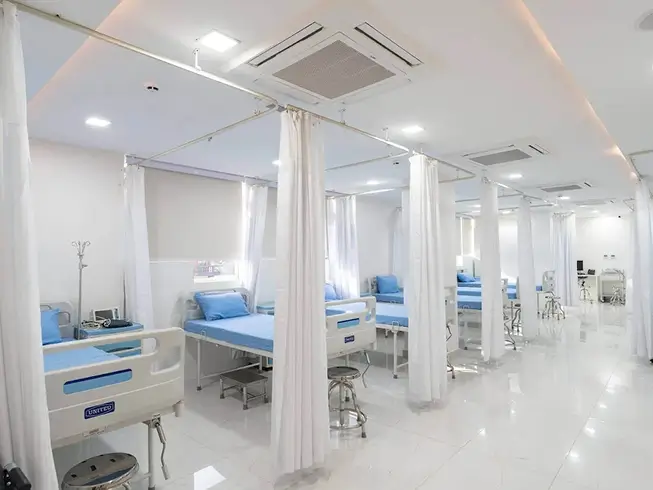
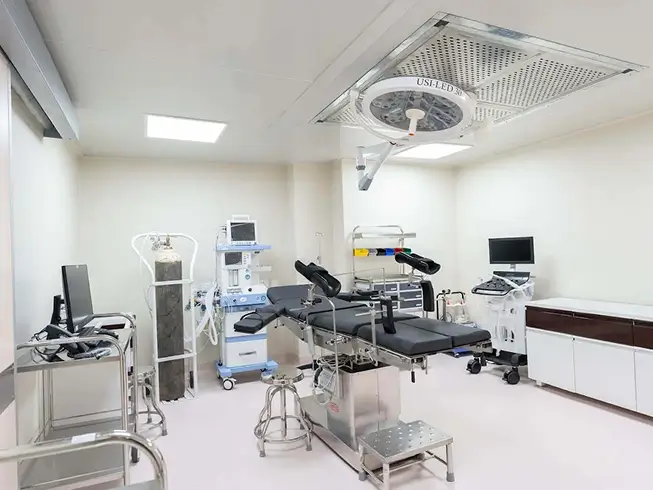


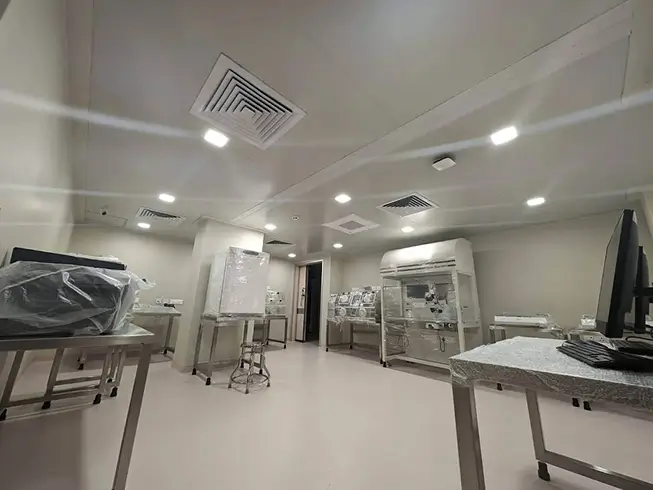

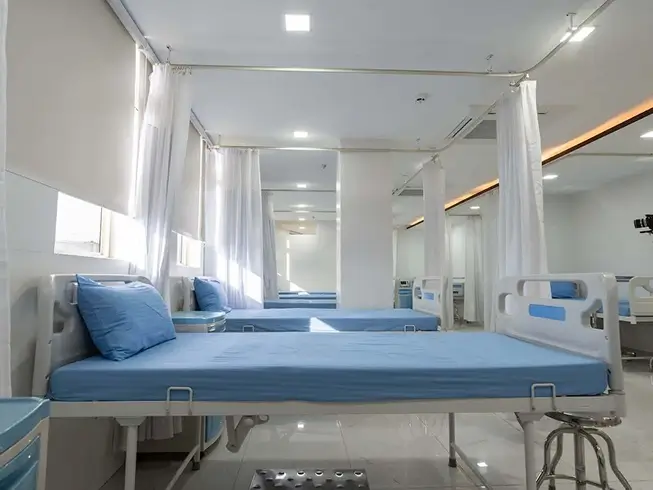
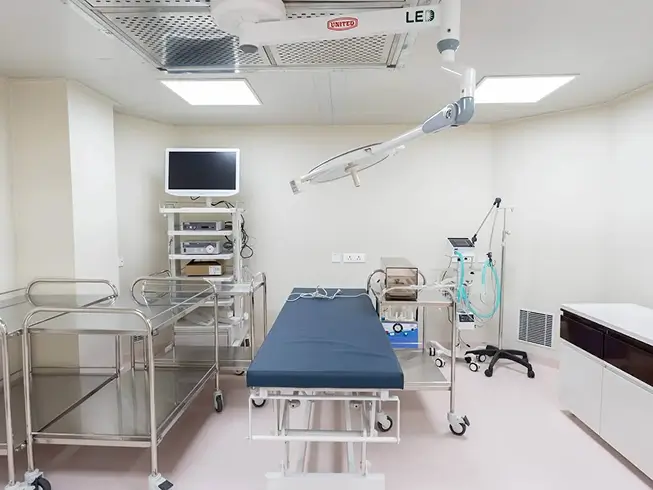
Visit our IVF Centre in Panipokhari, Kathmandu today!
Indira IVF, 3rd Floor, Adjacent to Global IME Bank, IME Complex, Panipokhari, Kathmandu-03, Nepal - 44600

Advanced Fertility Treatments with State-of-the-Art Technology
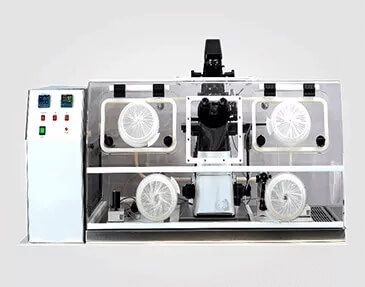
Closed Working Chambers Technology
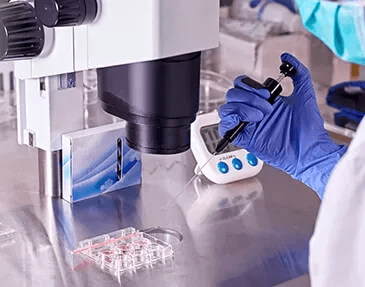
Non-Invasive Preimplantation Genetic Testing (NIPGTA)
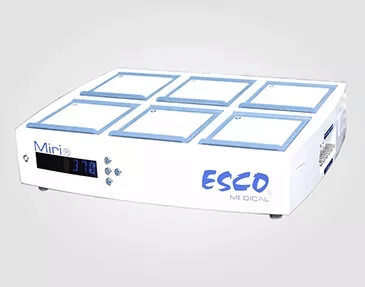
Advanced Incubators
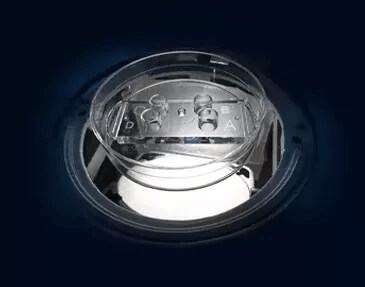
Microfluidic Sperm Sorter Technique
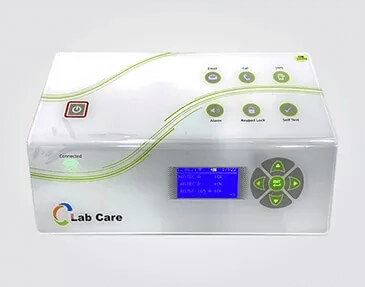
24*7 Monitoring System