015971265


Overview
Starting or growing a family is a goal of many people, and each part of a fertility journey comes with a glimmer of hope. This is especially true with ART when the quality of the sperm becomes part of the equation. Selection of the right sperm becomes critical when ART becomes the only option.
A microfluidic sperm sorter is a lab-based technology that assists in selecting healthier sperm. While this technology is being assessed to assist in the selection of sperm during assisted reproduction, it is not appropriate in all cases and does not guarantee fertilization or pregnancy. This blog will help you better understand it.
What is a Microfluidic Sperm Sorter?
The microfluidic sperm sorter is a lab device that helps to select sperm from a semen sample. It uses fluid dynamics in very small channels to separate sperm based on their movement and other characteristics.
Some microfluidic systems use a competitive environment where the fittest, or stronger, sperm are selected to survive and continue the process. This technology is relevant to assisted reproduction techniques and other reproductive therapies where the selection of sperm is critical.
How Does Microfluid Sperm Sorting Work?
Trained professionals in a fertility laboratory use microfluidic devices to sort sperm. Here’s how the microfluid sperm sorting process is carried out:
- A semen sample is loaded into a microfluidic device that contains small channels to guide sperm.
- Sperm move through the channels based on the behavior of their interaction with the surrounding fluid.
- Some devices use sperm selection based on the stiffness of the surrounding fluid. In these cases, sperm that move better through the surrounding fluid reach the next step and are collected.
- In other devices, the fluid used has no effect on sperm selection. In those cases, other characteristics are used to select sperm.
The collected sperm can then be used in the next step of a fertility treatment. The process varies by device, so laboratory protocols differ from one fertility centre to another.
Why is Sperm Selection Important?
Sperm are not identical. Routine semen analysis helps identify good-quality sperm depending on their movement, shape, and overall quality. It can also help understand sperm concentration, morphology, and motility. Good-quality sperm can fertilize the egg better.
Hence, selecting suitable sperm before the assisted procedure is important. Research has also examined whether microfluidic sorting can reduce sperm DNA fragmentation compared with some conventional preparation techniques. However, better lab results do not always mean a better fertility outcome for every patient.
Microfluidic Sperm Sorting vs Conventional Methods
Techniques like density-gradient centrifugation or swim-up are mostly used in conventional sperm preparation. Some clinics may opt for these techniques. In contrast, microfluidic sperm sorting uses microscopic channels and controlled fluid movement to select high-quality sperm.
| Feature | Microfluidic Sperm Sorting | Conventional Sperm Preparation |
|---|---|---|
| Main principle | Uses microscopic channels and controlled fluid movement | May use centrifugation or sperm swimming behaviour |
| Selection focus | Often emphasises sperm movement and physical characteristics | Depends on the specific preparation technique |
| Laboratory use | Used as an emerging sperm-selection approach | Established laboratory techniques |
| Mechanical processing | Some systems can reduce the need for centrifugation | Certain methods involve centrifugation |
| Clinical evidence | Still developing | More established in routine fertility laboratories |
The two approaches are not universally interchangeable. The method used depends on the fertility history, treatment plan, semen sample, and lab policy.
What are the Potential Benefits of Microfluidic Sperm Sorting?
The microfluidic sperm sorting technology may offer several advantages during sperm preparation.
Helps in Selecting Motile Sperm
Microfluidic systems monitor sperm movement during selection. This may help select sperm that move forward strongly and steadily.
Reduced Mechanical Processing
Sometimes microfluidic approaches minimize or help completely avoid centrifugation during sperm selection. This allows researchers to assess whether sperm characteristics are preserved for further processing.
Gives a Closer Look Into DNA Integrity
Studies have reported that sperm selected through microfluidic methods have lower DNA damage as compared to conventional techniques. However, this research is ongoing, and it is still unclear how meaningful the difference can be during fertility treatment.
Potentially More Targeted Selection
Microfluidic systems can be designed to help identify sperm’s physical characteristics, such as movement. It helps select better-quality sperm.
Note: These potential benefits should be understood as areas of clinical and scientific interest rather than guarantees of improved fertility outcomes.
Who May Be Considered for Microfluidic Sperm Sorting?
Microfluidic sperm sorting is not for every patient. Before recommending it, the doctor performs a semen analysis and checks sperm motility, treatment history, and overall fertility. If they think a different method, beyond conventional methods, is needed to select sperm, they may suggest microfluidic sorting.
The technique may be discussed in situations such as:
- Sperm is not moving actively.
- Quality of the sperm seems not appropriate
- There were previous difficulties with fertilisation
- Male-factor fertility concerns that might be preventing fertilisation
- Doctors may want to opt for techniques that can select sperm with lower DNA fragmentation
- Previous assisted reproductive treatment where sperm selection is being reviewed
However, if sperm count, movement, or shape is a concern, that does not always mean the patient needs microfluidic sperm sorting. A fertility specialist and embryology team consider more than one number. Instead, they consider the complete clinical picture before choosing which method to use.
Semen analysis is, and will remain, an important part of male fertility assessment.
Note: The WHO recommends standardised laboratory procedures for assessing human semen, including characteristics such as concentration, motility and morphology.
Is Microfluidic Sperm Sorting Suitable for Everyone?
Microfluidic sperm sorting is not used for male infertility as a universal solution. Whether it is required or not depends on factors that can also include
- Semen samples
- The reason why fertility treatment is done
- The type of assisted reproductive procedure being planned
- If there’s microfluidic technology available at the clinic or not
A microfluidic sperm sorter selects sperm with certain characteristics, and it is important to understand what it does not do:
- It does not create healthy sperm
- It does not correct every cause of male infertility
- It does not guarantee successful fertilisation
The research is still ongoing and clinical studies have mixed results. This means the technology should be considered very carefully and shouldn’t be presented as a replacement for established sperm-preparation methods.
Conclusion
Microfluidic sperm sorting is a relatively new approach that uses microscopic channels and controlled fluid movement to select sperm. Though research is still ongoing, many clinics consider using Microfluidic sperm sorting devices over conventional laboratory preparation.
Sometimes they even use both for better results. Research suggests that some systems can help select sperm with favourable movement and lower DNA fragmentation
But if the test results are positive, they should not be confused with guaranteed pregnancy or live-birth outcomes. Clinical evidence remains mixed, and more research is needed to establish which patients are most likely to benefit. Whether a patient needs it or not is decided by the lab team and fertility doctor.
Frequently Asked Questions
What is a microfluidic sperm sorter?

A microfluidic sperm sorter is a lab device with small channels through which sperm move. Based on their movement, it helps select sperm suitable for fertilisation.
Is microfluidic sperm sorting a treatment for infertility?
No. This is not meant to treat infertility. Instead, it helps in the preparation and selection of sperm before an assisted reproductive procedure. Remember that it does not fix any underlying causes of male infertility.
Can microfluidic sperm sorting improve sperm quality?
No, it does not improve sperm quality. The device just helps select the sperm with favourable characteristics.
Does microfluidic sperm sorting guarantee pregnancy?
No. This technique does not guarantee pregnancy. Pregnancy outcomes depend on several factors involving both partners, as well as the assisted reproductive procedure being used. Therefore, microfluidic sperm sorting does not guarantee a successful pregnancy.
Is microfluidic sperm sorting better than conventional sperm preparation?
Not necessarily for every patient. Research has shown potential laboratory benefits, but clinical studies have produced mixed findings. The appropriate approach depends on the individual case.
Is microfluidic sperm sorting used during IVF?
Yes, it can be used as a method to select good-quality sperm to fertilise the egg during IVF or other assisted methods. Use of the device depends on its availability in the clinic and whether clinical policy allows it.
Does every fertility patient need microfluidic sperm sorting?
No. It is not always required for everyone. A fertility specialist and embryology team can determine whether it is needed depending on the patient's circumstances.
Our Clinic
From tests and scans to the entire treatment process, Indira IVF provides all fertility services under 1 roof and has the latest facilities for your comfort and convenience.












Visit our IVF Centre in Panipokhari, Kathmandu today!
Indira IVF, 3rd Floor, Adjacent to Global IME Bank, IME Complex, Panipokhari, Kathmandu-03, Nepal - 44600

Advanced Fertility Treatments with State-of-the-Art Technology
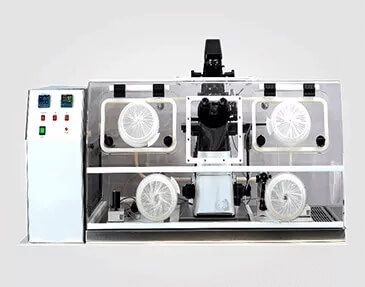
Closed Working Chambers Technology
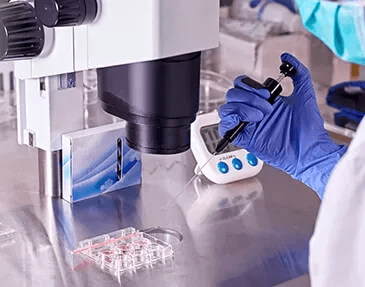
Non-Invasive Preimplantation Genetic Testing (NIPGTA)

Advanced Incubators
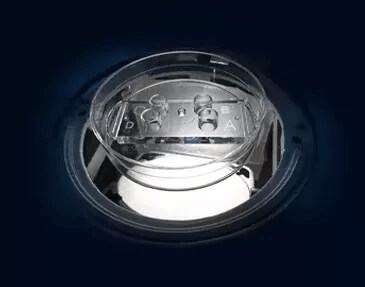
Microfluidic Sperm Sorter Technique
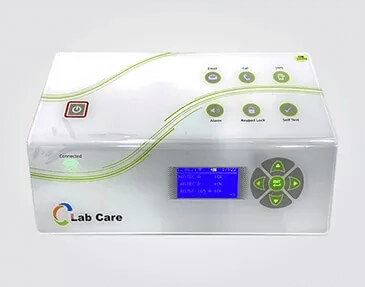
24*7 Monitoring System