015971265


Overview
A negative pregnancy test result can hurt, even after you have seen one many times before. You may have stopped telling friends about each new attempt. You may also have stopped answering questions at weddings and other events. Years of treatment can change how you feel about your own body. Each new cycle brings hope, and each disappointment takes a little more out of you. Many couples reach a point where they want another option.
Embryo donation is one such option. Fertility specialists suggest it after other treatments have not worked. It doesn't suit every couple, but for many, it offers a real chance of pregnancy. Read on to learn more.
What Is an Embryo Donor?
An embryo donor is a person or couple who gives their embryos to another couple. These embryos usually come from earlier IVF treatment. The donating couple has completed their own family and has embryos left in storage. They choose to donate the remaining embryos to a couple who needs them.
Clinics can also create embryos from donor eggs and donor sperm for this purpose. In both cases, the embryo is not genetically linked to the recipient couple. The recipient mother carries the pregnancy and gives birth to the baby. The medical name for treatment is donor embryo IVF.
Before donation, the donating couple goes through medical screening and counselling. Clinics freeze and store their embryos until they match a recipient couple. Clinics keep both families' identities confidential.
Who May Need Donor Embryos?
A fertility specialist may suggest donor embryos in the following situations.
- Very low egg reserve: An AMH blood test and an ovarian scan show how many eggs are left. Women with very low numbers often do not respond to stimulation medicines, and might need a donor embryo.
- Repeated IVF failure: The couple has had several embryo transfers with no pregnancy. Doctors then closely assess egg quality, which declines with age.
- Combined fertility problems: Both partners have a condition that affects egg or sperm quality.
- Genetic risk: The couple has a high chance of passing a serious inherited condition to their child.
The decision always follows a full assessment. Your doctor will review your history, test results and past treatments before suggesting this option.
How Embryo Donation Works
Most of the wait is for womb preparation, which takes about two to three weeks. Matching can take longer, depending on the clinic.
| Stage | What happens |
|---|---|
| Consultation | You meet the fertility specialist with your old reports and prescriptions. The doctor goes through your earlier cycles and scans. |
| Counselling | You and your partner meet a counsellor. This visit is for talking, and no medical decision is made. |
| Health checks | The recipient mother has a womb scan and blood tests for hormones and thyroid. |
| Matching | The clinic looks for embryos with a matching blood group. They also consider skin tone and eye colour. |
| Womb preparation | Tablets or patches thicken the womb lining. A scan confirms the thickness before the transfer date is fixed. |
| Embryo transfer | The lab thaws the embryo and places it in the womb using a thin tube. It takes a few minutes. |
| Pregnancy test | A blood test about two weeks after transfer gives the result. |
Factors Affecting Success
Success with donor embryos varies from couple to couple. It depends on the following factors:
- Embryo quality: Donor embryos often come from younger women, and younger eggs implant more easily. This is why doctors suggest donor embryos after repeated failed cycles with a woman's own eggs.
- Womb lining: Most clinics want a lining of at least 7 mm on the scan before transfer. Fibroids or scar tissue can stop it growing evenly, so a hysteroscopy is done to check the womb first.
- General health: Thyroid problems and high blood sugar can affect pregnancy. Your doctor may ask you to adjust your diet and daily routine beforehand.
- Laboratory skill: Freezing and thawing need trained embryologists, and mistakes in either step can damage an embryo.
The Emotional Side of Embryo Donation
Navigating donor conception can bring up a complex mix of emotions and practical concerns. Key considerations include:
- Grief over the genetic link: Some women feel sad that the baby will not share their genes. Talking about this loss early often makes it easier to carry.
- Worry about judgement: Relatives and neighbours in close communities may ask questions. Couples often feel guilty or anxious before any such conversation.
- Counselling: A trained counsellor gives you and your partner a quiet space to speak openly. You can also plan if and when you will tell your child about their origins.
- Privacy: Tell the clinic team about any concerns. They can explain who sees your records and where the files are kept.
- The bond with your baby: The mother feels the baby move from about 20 weeks. Many say the bond starts there.
Legal and Ethical Considerations
Embryo donation needs written consent from the donating couple. The recipient couple also sign consent forms. A reliable clinic keeps clear records and explains every document in simple language.
Do not sign anything you do not understand. Ask for time, request a translation if needed, and ask your doctor to go through each point with you. Rules on assisted reproduction in Nepal can change. Ask your clinic to explain the current legal requirements before you begin.
Embryo Donation at Indira IVF
At Indira IVF, fertility specialists review each couple's history in detail. Counsellors are available before and after treatment. The team explains each step and answers questions without hurry. You can bring a family member to your consultation if that helps you feel at ease. Many couples find it easier to decide with someone they trust beside them.
Conclusion
Most couples take a few weeks and a second counselling visit before they agree to donor embryos. Every fertility journey is unique, and many couples go on to conceive with the right treatment. If your own eggs or sperm have not worked, donor embryos can open a new path to pregnancy. A fertility specialist at Indira IVF can review your history and answer your questions. You can then decide at a pace that suits you.
Frequently Asked Questions
What is an embryo donor?

An embryo donor is a couple who have completed their family through IVF and give their spare frozen embryos to another couple.
Is embryo donation the same as egg donation?
No. Egg donation uses your partner's sperm, so the baby is his genetic child. A donated embryo has no genetic link to either of you.
Will my baby be genetically related to me?
No. The baby will not share your genes. You will carry the pregnancy, give birth and raise your child as a parent.
Is embryo donation safe?
Donating couples are screened for infections and genetic conditions. Your doctor monitors the pregnancy closely, as with any other IVF pregnancy.
Do I have to tell my family about donor embryos?
This is a personal decision. A counsellor can help you think it through at a pace that suits you.
Our Clinic
From tests and scans to the entire treatment process, Indira IVF provides all fertility services under 1 roof and has the latest facilities for your comfort and convenience.



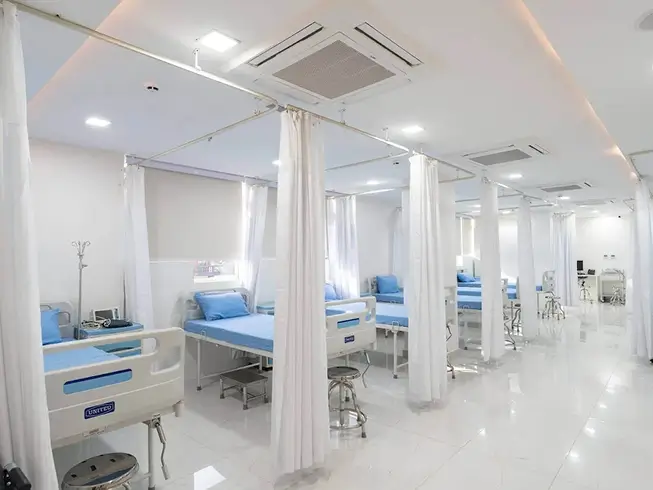
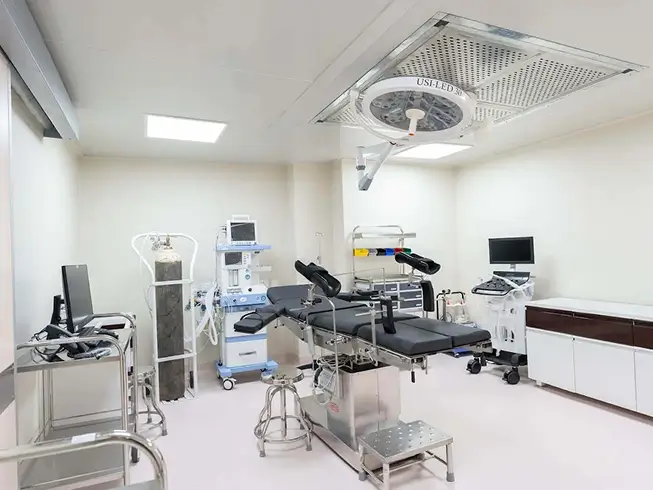


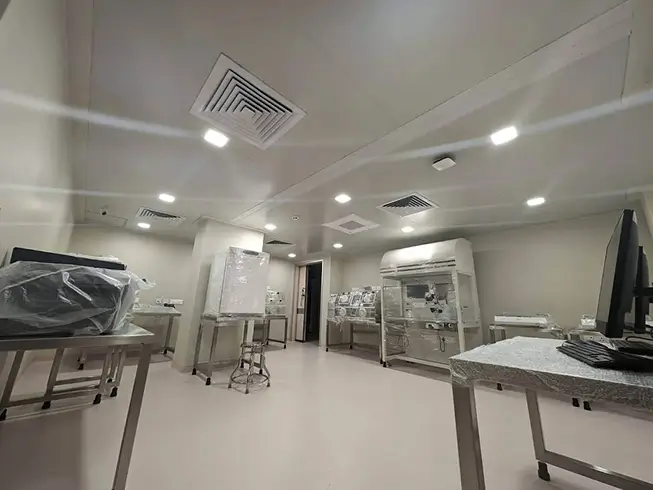


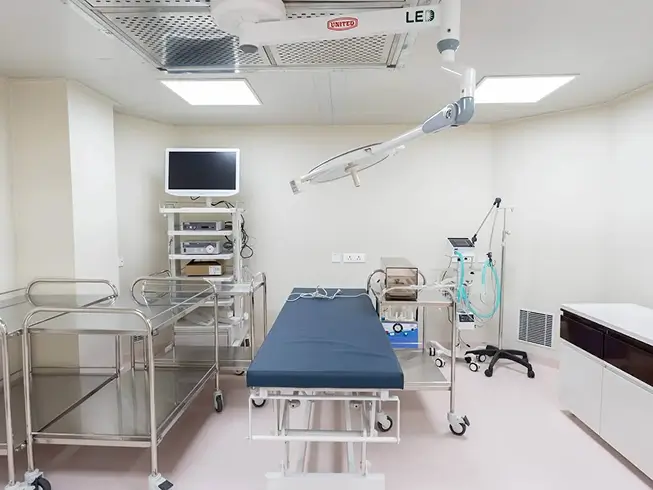
Visit our IVF Centre in Panipokhari, Kathmandu today!
Indira IVF, 3rd Floor, Adjacent to Global IME Bank, IME Complex, Panipokhari, Kathmandu-03, Nepal - 44600

Advanced Fertility Treatments with State-of-the-Art Technology
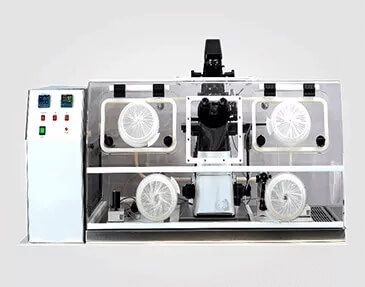
Closed Working Chambers Technology
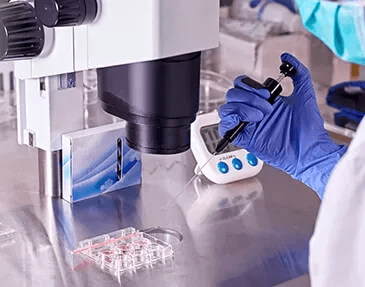
Non-Invasive Preimplantation Genetic Testing (NIPGTA)
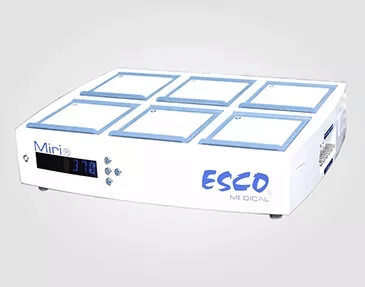
Advanced Incubators
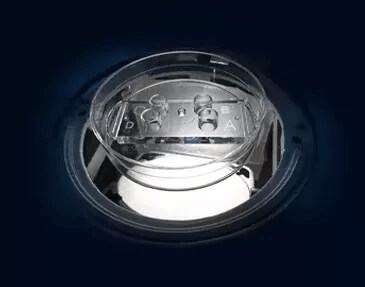
Microfluidic Sperm Sorter Technique
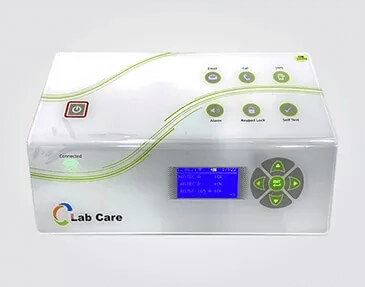
24*7 Monitoring System